6 Days
Turacos Tanzania Luxury Safari
Tour Type
Luxury Safari
WHERE TO GO
Tarangire National Park, Serengeti National Park, and Ngorongoro Crater
IMPORTANT NOTE
This is only an illustration of what we do; each of our safaris is tailor-made. Contact our team of specialists right away to begin creating the ideal safari for you.
About this Tour
A six-day excursion will take you to the finest of Tanzania’s stunning Northern circuit. This holiday will provide you with some wonderful and memorable experiences that you will remember for the rest of your life. After leaving your Arusha hotel, your first destination will be the stunning Tarangire National Park, often known as the Elephant Playground, for a full-day game drive.
The Serengeti National Park is our next stop. Here is the world’s most famous and popular tourist destination, and it is a home to a wide variety of animal and plant species. The breathtaking Ngorongoro Crater will make you appreciate your great experience; you’ll descend into this beautiful crater to see a range of fascinating wildlife species.
Your Trip’s Roadmap
On your arrival, one of our staff members will pick you from the Kilimanjaro International Airport and take you to your booked hotel, where you will get a short briefing about the tour. We believe that you will enjoy your stay here and hope that your safari with Zoe will exceeds your expectations.
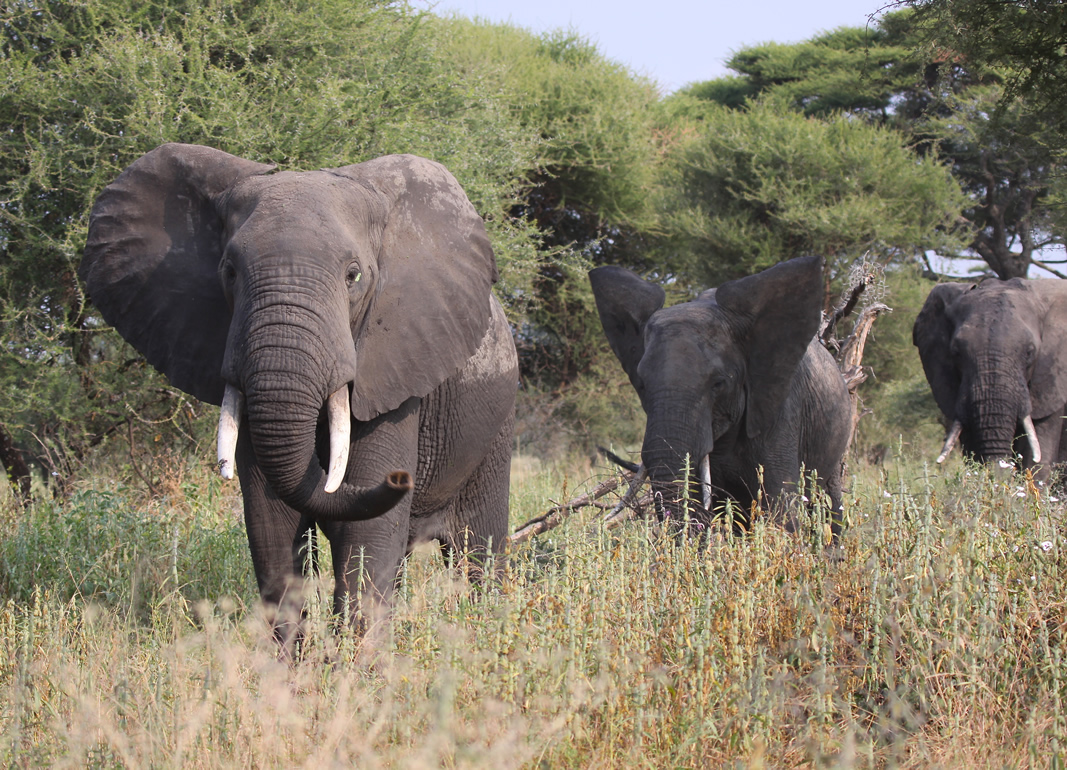
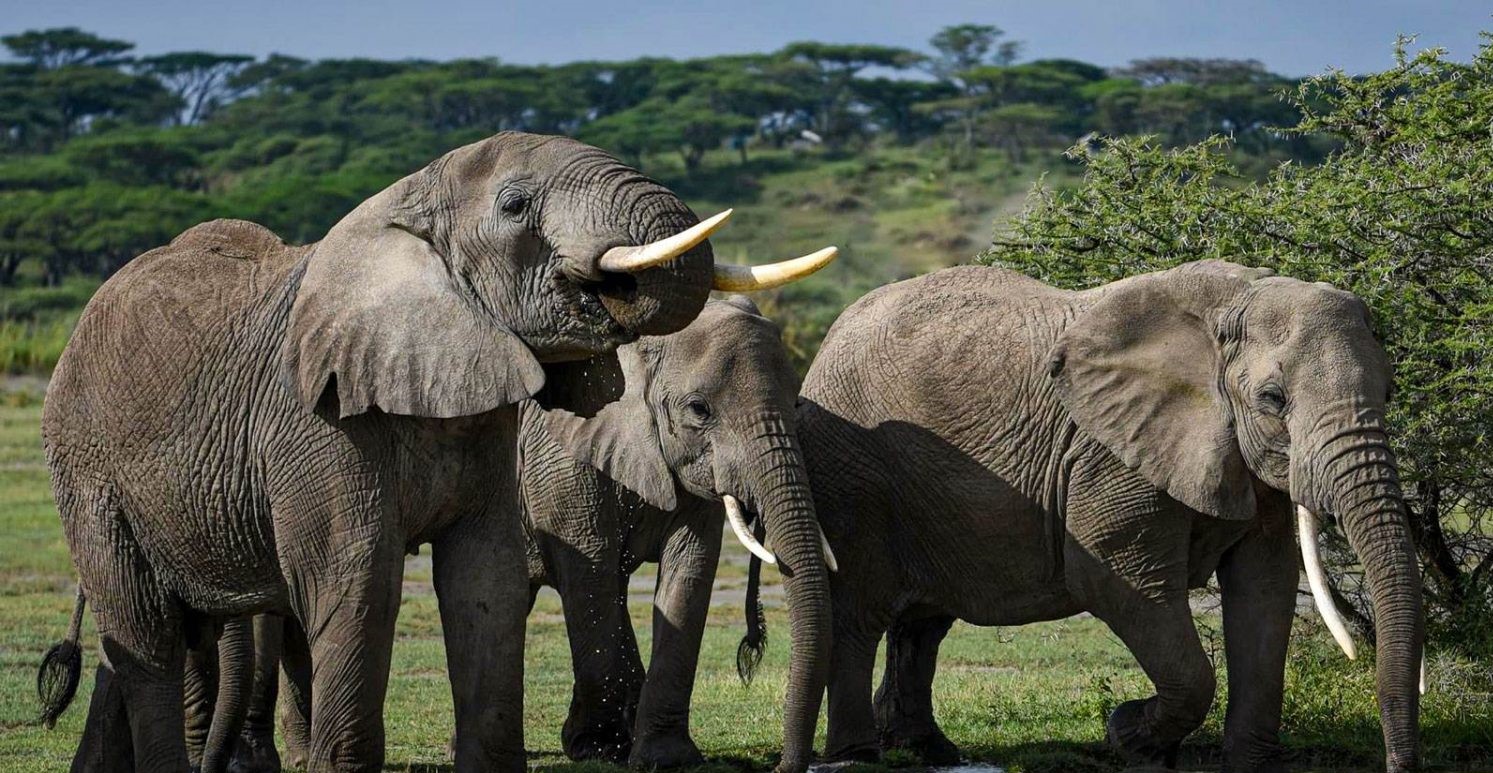
In the morning after you have taken your breakfast at around 6:00 am, your driver guide will arrive at the hotel and pick you up to begin your adventure. It takes approximately 3 hrs (150.6 km) from Arusha to get to the Tarangire gate. Popularly known as the Elephant Playground, Tarangire has a lot to offer from its magnificent variety of wild animals and its huge area.
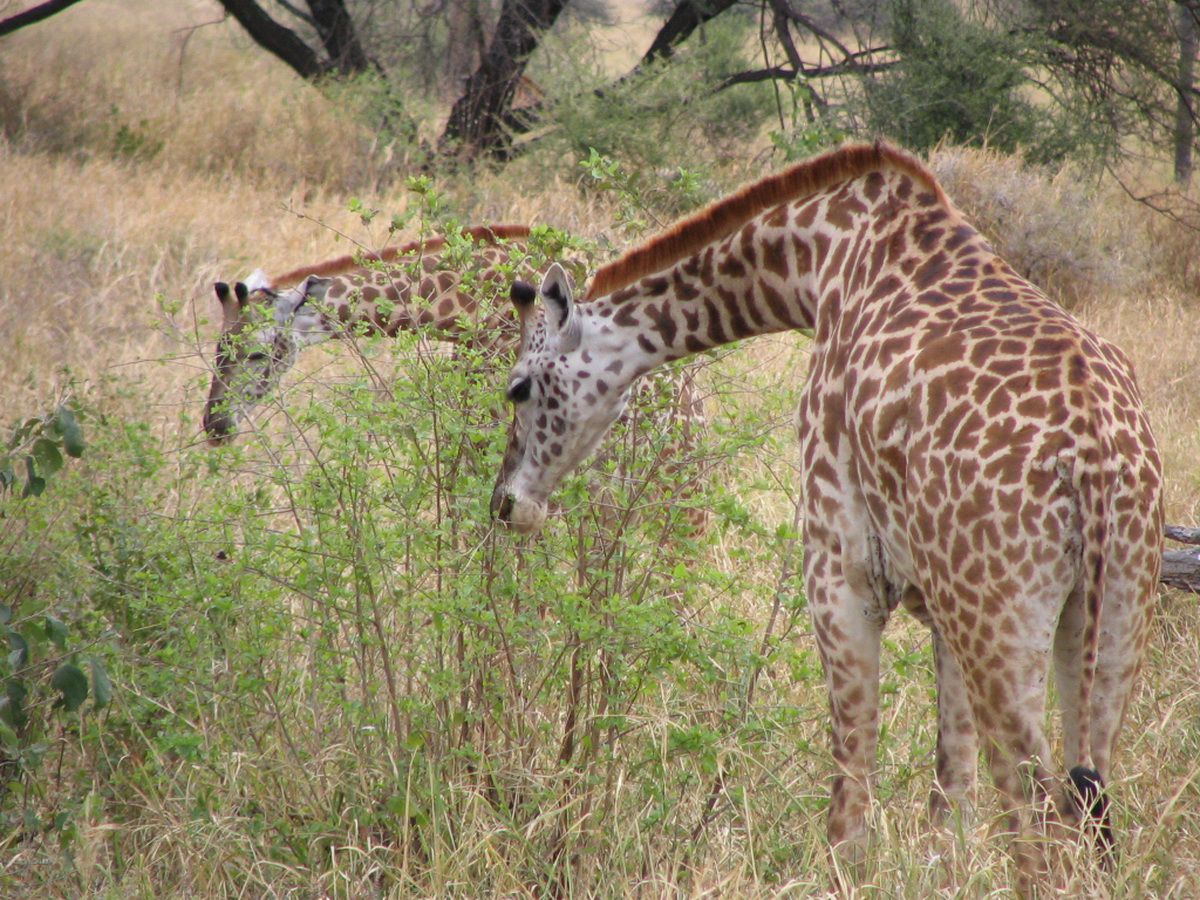
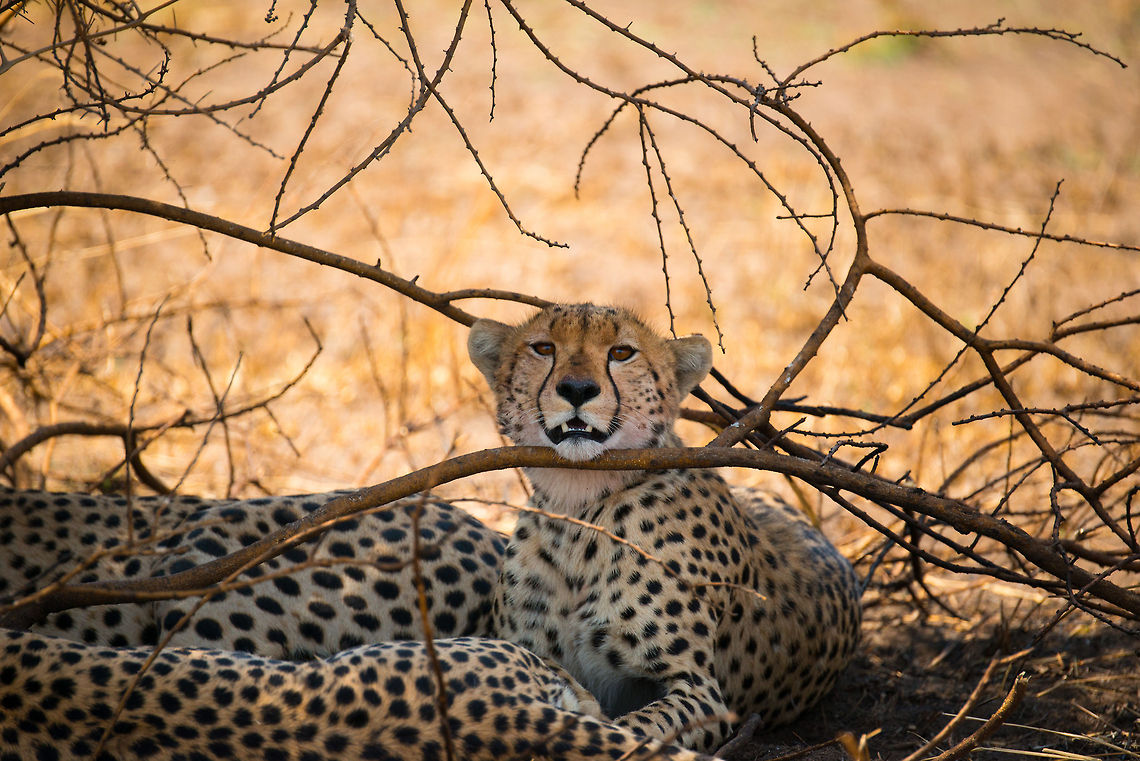
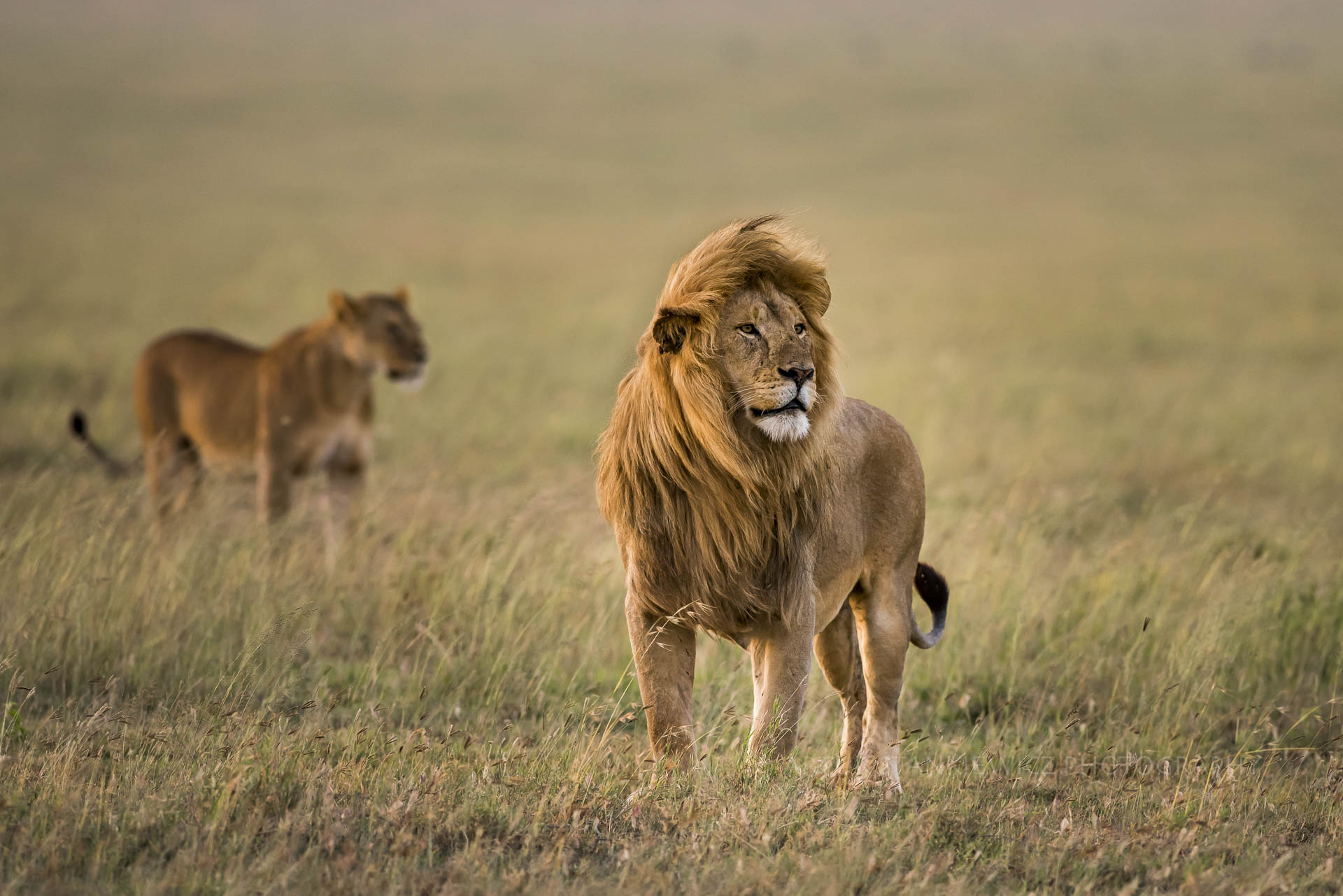
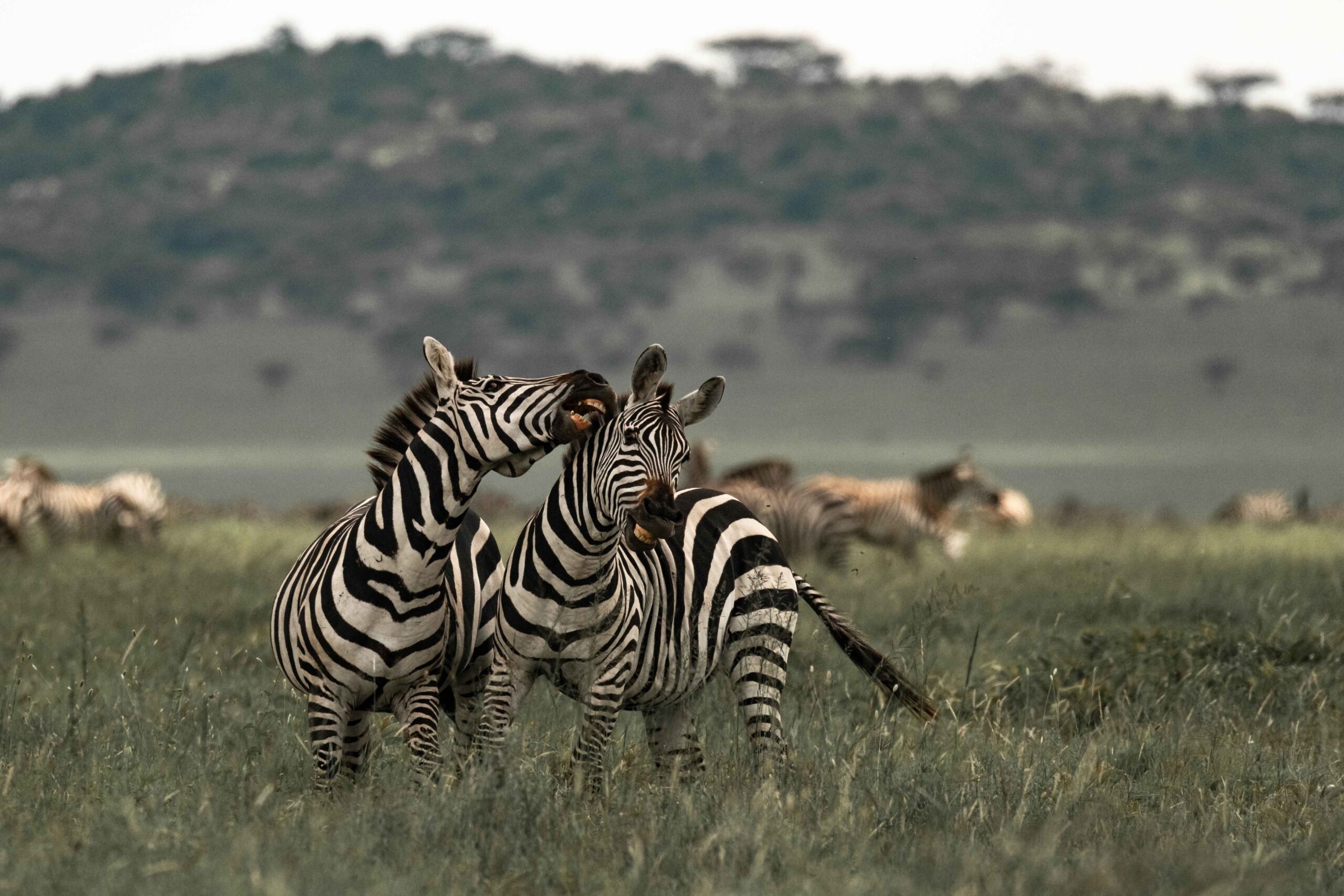
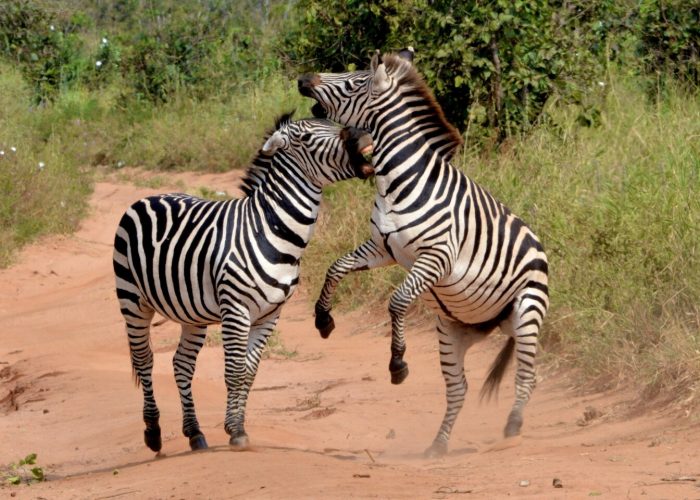
A large population of Elephants find their home here. Other animals like lion, buffalo, gazelle, zebra, and gnu are also found here. Expect to see many other mammals with amazing views like giraffes feeding from the beautiful acacia branches, zebras and gazelles hanging around together. Sometimes when lucky we get to see the pride of lions lying under trees, and if lucky enough, you might get to see cheetahs, onyx and kudu from the road stand-point.
So, what is it about Tarangire that makes it so unique? You are free to inquire. As the temperature changes, the agama male lizard, which changes colors right before your eyes, will leave you speechless. The hyrax - an elephant-like mammal also known as Pimbi - will brighten your day, among many other fantastic scenarios.
You won't pass many trees without spotting something that will intrigue your interest. A brilliant starling or a lilac-breasted roller may be a stunning splash of color. It's difficult not to laugh at the well-named, studious-looking secretary bird as it awkwardly pads over the grasslands.
Grand baobab trees, rolling grasslands, and acacia woodland are all well-known features of the Tarangire National Park. After a long game drive and a picnic lunch, you'll head to your accommodation and take advantage of the services tailored to your needs, giving you the opportunity to reminisce about the highlights of your game drive, savor your delicious dinner, and enjoy a restful night, anticipating the best that the remaining days have in store for you.
Following a full breakfast, you will embark on another wildlife drive in Tarangire National Park. The diversified landscape, with its riverine woods and grasslands, as well as acacia and baobab, may be regarded a wonder in and of itself. During the dry season, Tarangire becomes a genuine wildlife refuge for the region. You may recognize big mammals and birds like an Ostrich but it is very possible that could fail to identify or name the little one. Here when your professional guide comes in. He’ll explain to you amidst diversities.
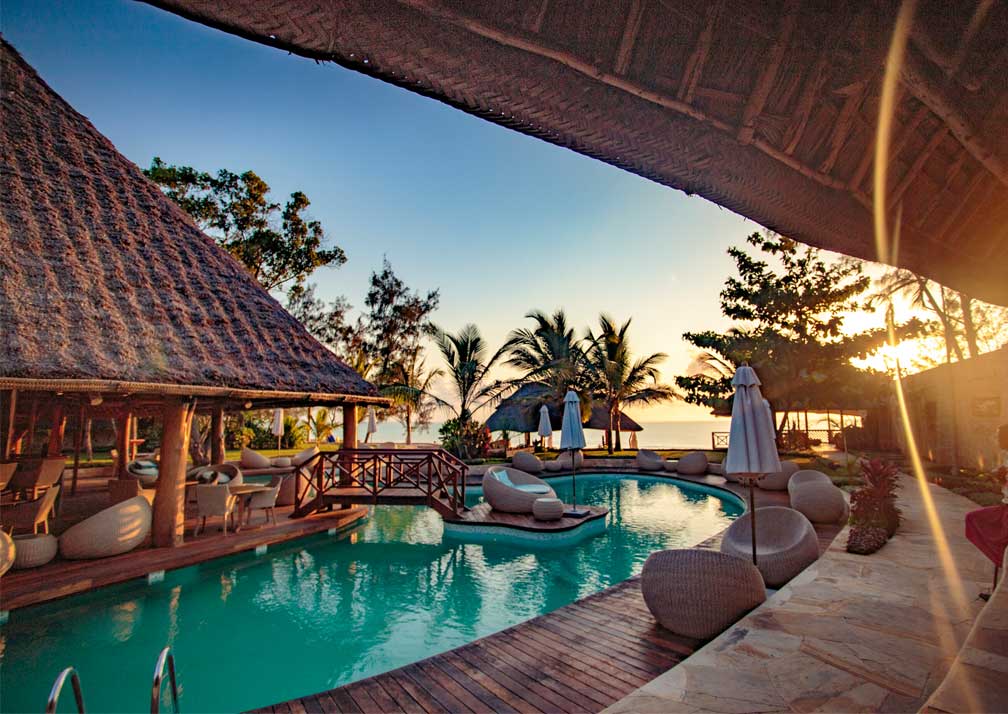
You will depart from Tarangire and be on your way to your next accommodation in the high regions of the Ngorongoro conservation are, Karatu by way of Mto wa Mbu. You could stop here and there along the way to take photos or shopping in one of the curio shops for some shopping. One of the booked lodges In Karatu will be your home for the night. Enjoy a full delicious dinner and a restful night and dream of the Serengeti.
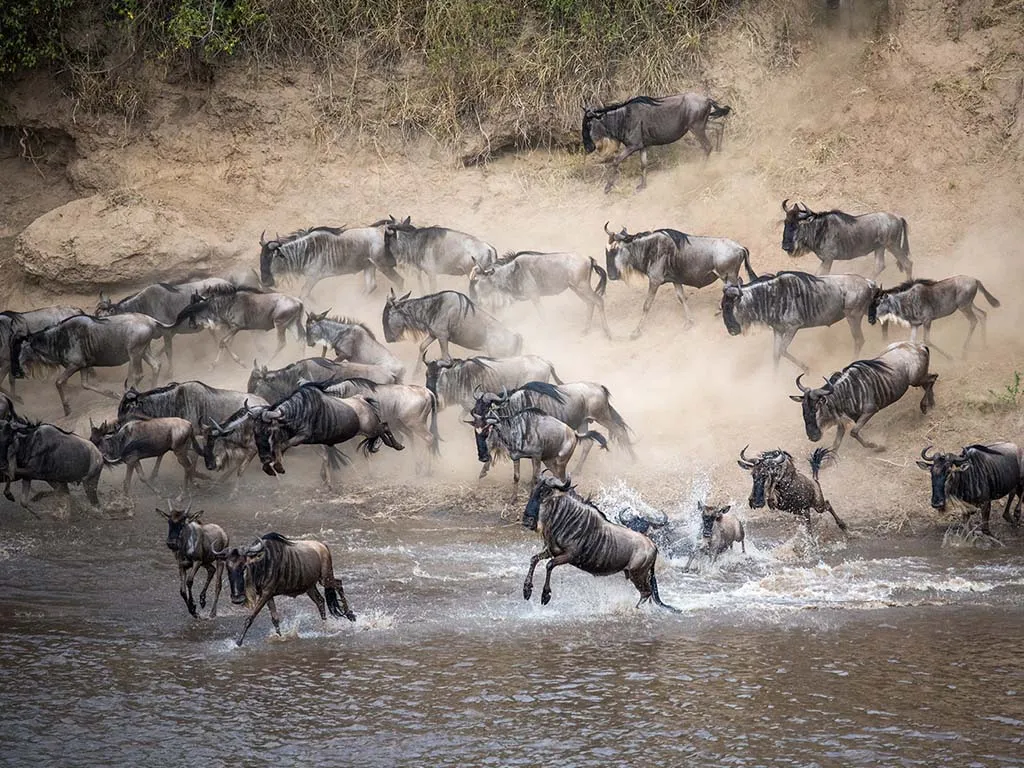
After breakfast in the early morning, your driver guide and you will head for your next destination, Tanzania's oldest and most famous Serengeti National Park. It takes up to 3 hours and 30 minutes to get here before your game drive starts. Unlike many other areas on the planet, the Serengeti is a one-of-a-kind ecosystem. The breathtaking scenery, bright shifting light, and, of course, the plethora of species that have made this their home will fascinate you. With thousands of predators – and hundreds of thousands of prey – it is no surprise there is always something fascinating going on in the animal communities.
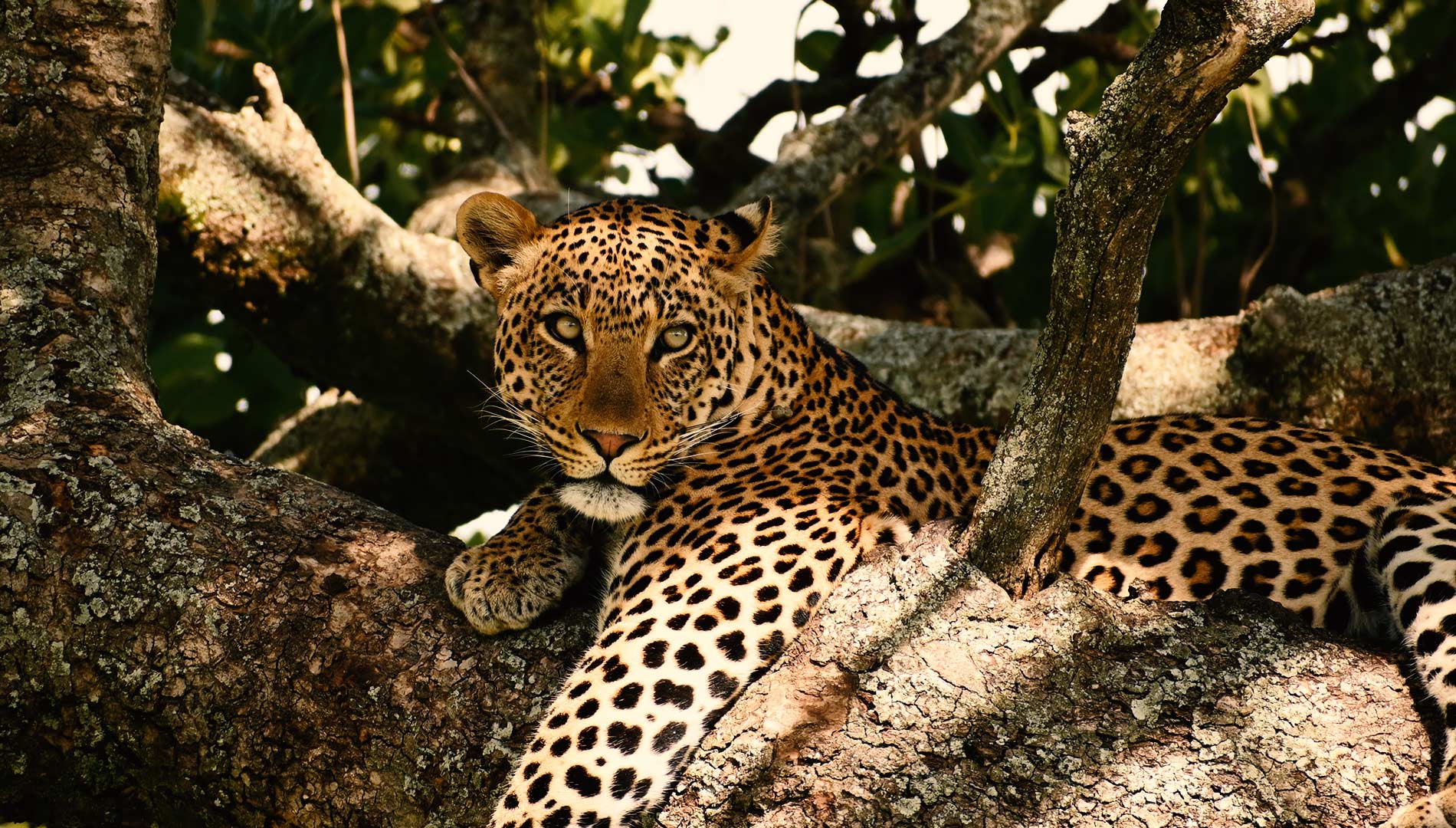
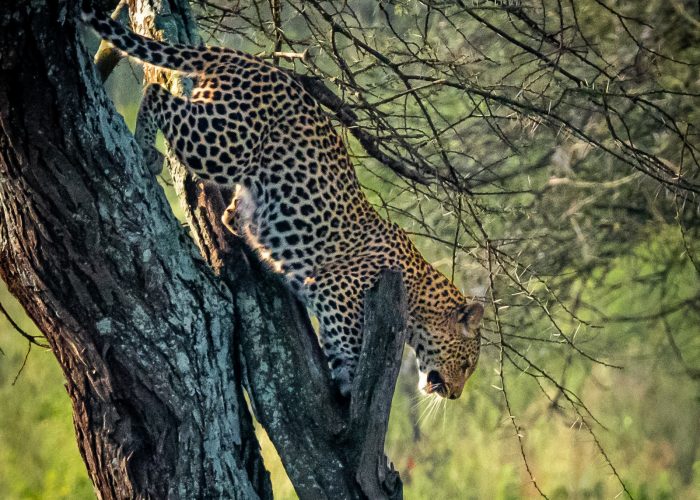
While out on your game drive with your guide on today's safari, you're quite likely to encounter a lion, leopard, elephant, zebra, cheetah, and antelope, among many other species. You'll be on your way back to your lodging for some well-deserved rest, a delicious dinner, and a restful night's sleep.
You are in for a once-in-a-lifetime when you happen to witness the early morning sunrise in Serengeti. The real African sights, wildlife sounds, and scents are all at your disposal consistently as long as you are in the world's most famous national park. Today, you will enjoy a full day of adventure. You'll begin your morning game drive in Serengeti National Park after breakfast, wandering in the marvelous endless landscape, ever-changing lights, and always-entertaining creatures that your professional driver-guide will describe to you.
This area is traversed by the Seronera River, which provides home for a diverse diversity of wildlife. The distinctive rocky outcrops known as kopjes that define Serengeti landscape will also be seen. Kopjes are exceedingly hard and almost always granite.
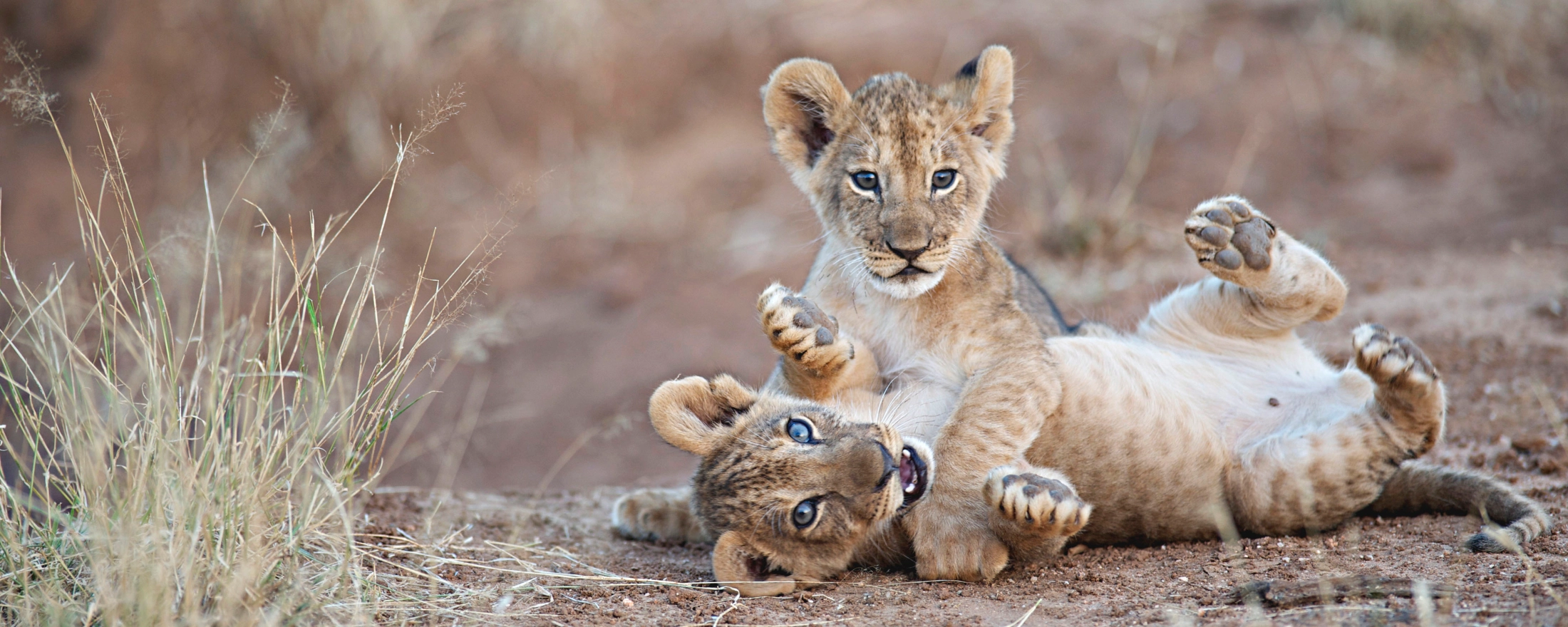
They might be 600 million years old, produced before the earth's surface was pushed up from the water. Lions, other cats, snakes, and hyraxes, as well as lions and other cats, live in these rocky places. As you can see if you look closely, they are slowly peeling away in layers owing to the wind and rain. Lunch in the bush will be a once-in-a-lifetime experience. You return to the park after lunch to look for animals.
The Serengeti's splendor becomes clearer as the day progresses. Natural disasters can strike at any time, and the different animals and birds are the "stars of the show." Because the animals do not adhere to a timetable, you may see lions or leopards, elephants and zebras, cheetahs and antelopes at any time throughout your explorations. You return to your lodging for dinner with some much-required relaxation in the late afternoon.
After breakfast, you'll travel on a morning game drive in the beautiful Serengeti, marveling at the animal inhabitants. The Seronera section of the Central Serengeti is the most visited sector in the national park, thanks to its informative visitor center. Animals love it, too. There is always something to see because the Seronera River runs all year.
There are several game drives available, which may reveal massive prides of lions, hippo, or elephant herds (the park's elephant population has recently increased). Considering your intentions, you might wish to stop at the Serengeti Visitor Centre, which offers an excellent overview of the park's eco-system as well as information on the region's conservation history. Bernhard Grzimek and the Frankfurt Zoological Society, who envisioned the Serengeti's eco-preservation system, will be highlighted.
Following lunch, you will head to the Ngorongoro Conservation Area in the south-east.
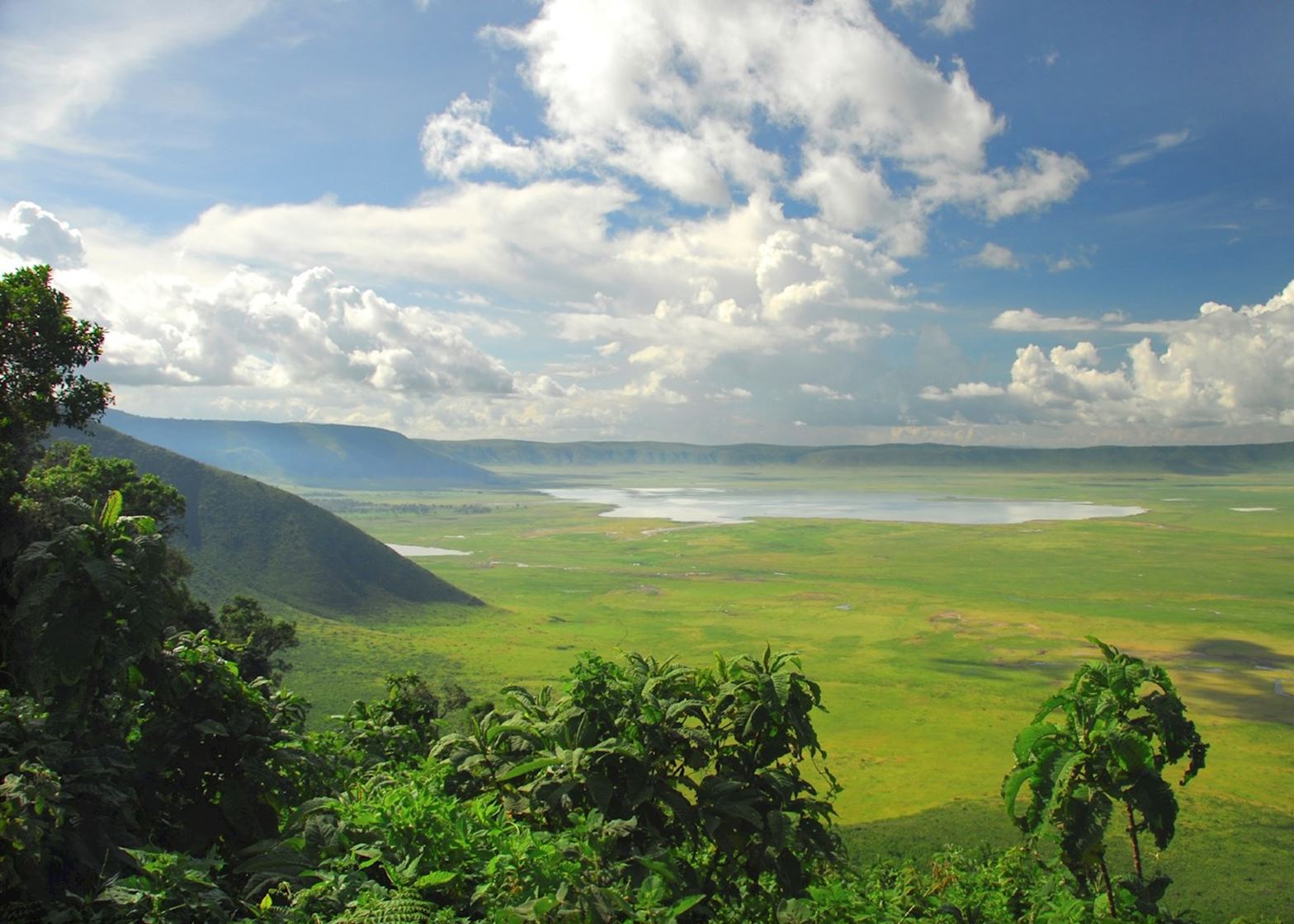
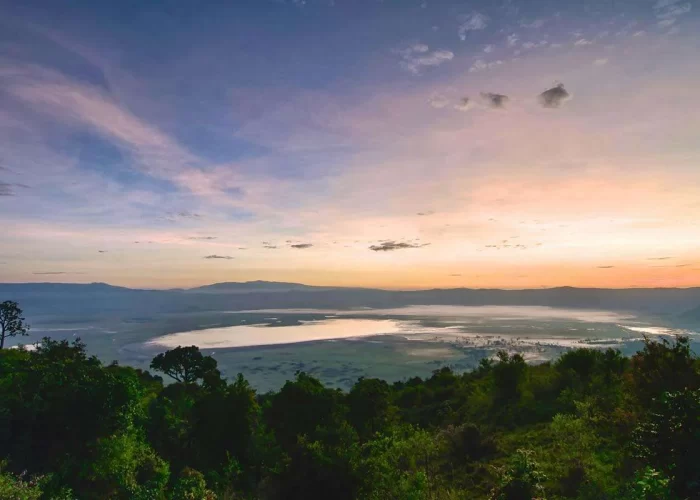
After taking your breakfast at the dawn, you will head to the Ngorongoro Crater, the world's biggest once actives volcanic crater and the heart of the Ngorongoro Conservation Area. You sure wouldn’t want to miss out on anything in this elephant country. As they approach the end of their life, the big male tuskers come to feed the soft, swampland grasses on the side of the surrounding swampland, which is frequently referred to as the "elephant graveyard."
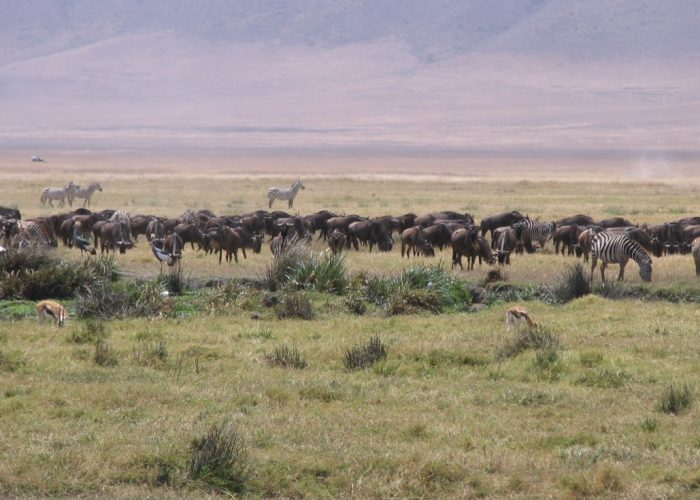
The Ngorongoro crater is known for its huge number of many animals. Statistic shows that there are roughly 9,000 zebra, as well as 15,000 gnu, 120 lions with well-defined territories, 400 hyenas, and approximately 50 black rhino. Many gnus and other herd animals reside here year-round, taking use of the multiple water sources that are available all year and are fed by migrators during the mating season. There are eland, Serval, jackal, Thomson's gazelle, and buffalo.
Hippos are commonly seen in ponds and marshes. The highlands' vegetation and animals are lively and numerous around water. Flamingos flock to Lake Magadi, which covers a section of the crater floor. After your morning game drive and lunch in this stunning crater, you'll have a 190.6-kilometer trip back to Arusha that will take roughly 4 hours.
End of Safari.