
Serengeti National Park
Home to the World’s Largest Migration of the Wildebeests
About Serengeti National Park
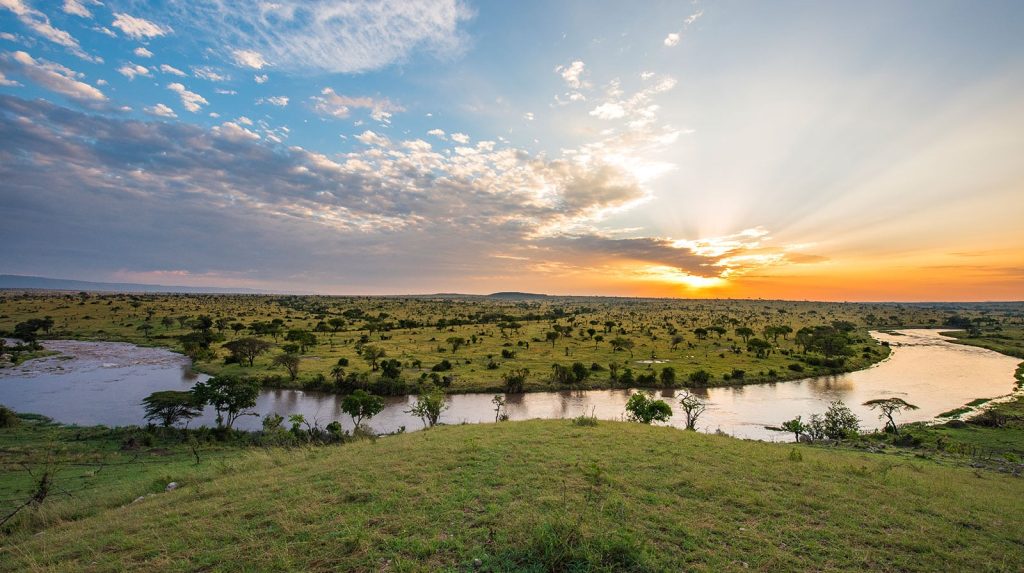
The name ‘Serengeti’ ,’ which was originally derived from a Maasai term which translates to ‘endless plain ‘, perfectly encapsulates the vast, sweeping vistas that define this UNESCO World Heritage Site. Spanning over 12,000 square miles (31,000 square kilometers) across Kenya and Tanzania, Serengeti National Park is one of the world’s oldest terrestrial ecosystems and the true home of African safari adventures.
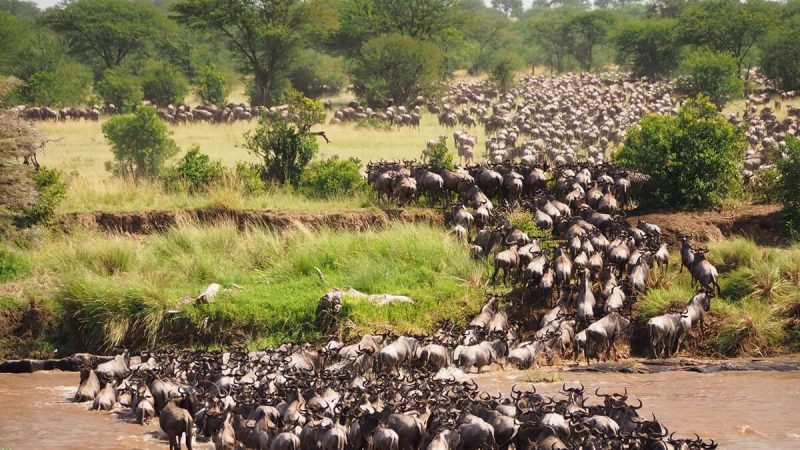
Claiming 14% of Tanzania’s land area, this iconic region is where the earth’s greatest number of wildlife roams freely across golden savannas, constantly on the move in search of their next meal. Moreover, the legendry’s wilderness is home to the world’s most spectacular wildlife event; the Great Wildebeest Migration, a circular annual journey of over a million wildebeests, zebras, and gazelles, creating a spectacle of life, death, and survival across the ecoregion.
Serengeti Wildlife
The Serengeti is renowned for its extraordinary wildlife, making it one of the most celebrated safari destinations on the planet. From the vast grasslands to its scattered woodlands and rolling plains, the Serengeti offers an array of habitats that support a staggering variety of wildlife. It’s home to the famous “Big Five”—lions, elephants, leopards, rhinos, and Cape buffalo—along with large populations of giraffes, cheetahs, and zebras.
One of the most impressive aspects of Serengeti’s wildlife is the Great Migration, a phenomenon where millions of wildebeests, zebras, and gazelles move across the plains in search of fresh grazing. This mass movement, driven by the seasonal rains, attracts predators such as lions, leopards, cheetahs, and hyenas, creating an intense display of life and survival. The Serengeti’s diverse regions—Central Serengeti, Western Corridor, Northern Serengeti, and Southern Serengeti—all play crucial roles in supporting the rich wildlife populations throughout the year.
The Wildebeest Great Migration of Serengeti
The Serengeti is renowned for its extraordinary wildlife, making it one of the most celebrated safari destinations on the planet. From the vast grasslands to its scattered woodlands and rolling plains, the Serengeti offers an array of habitats that support a staggering variety of wildlife. It’s home to the famous “Big Five”—lions, elephants, leopards, rhinos, and Cape buffalo—along with large populations of giraffes, cheetahs, and zebras.
One of the most impressive aspects of Serengeti’s wildlife is the Great Migration, a phenomenon where millions of wildebeests, zebras, and gazelles move across the plains in search of fresh grazing. This mass movement, driven by the seasonal rains, attracts predators such as lions, leopards, cheetahs, and hyenas, creating an intense display of life and survival. The Serengeti’s diverse regions—Central Serengeti, Western Corridor, Northern Serengeti, and Southern Serengeti—all play crucial roles in supporting the rich wildlife populations throughout the year.
January to March
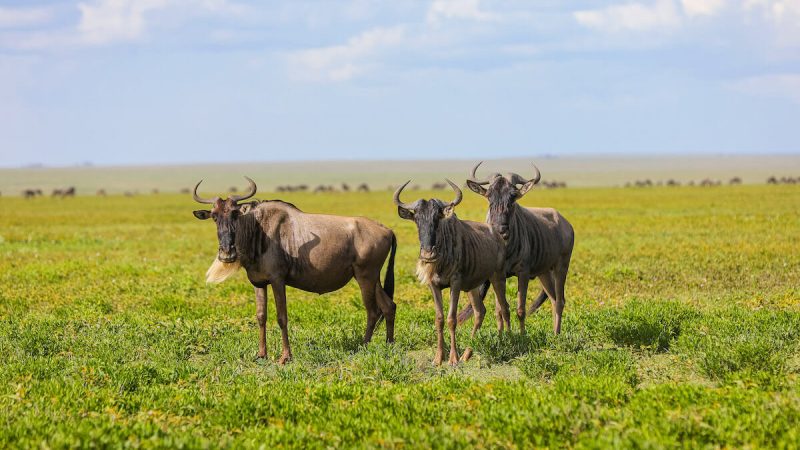
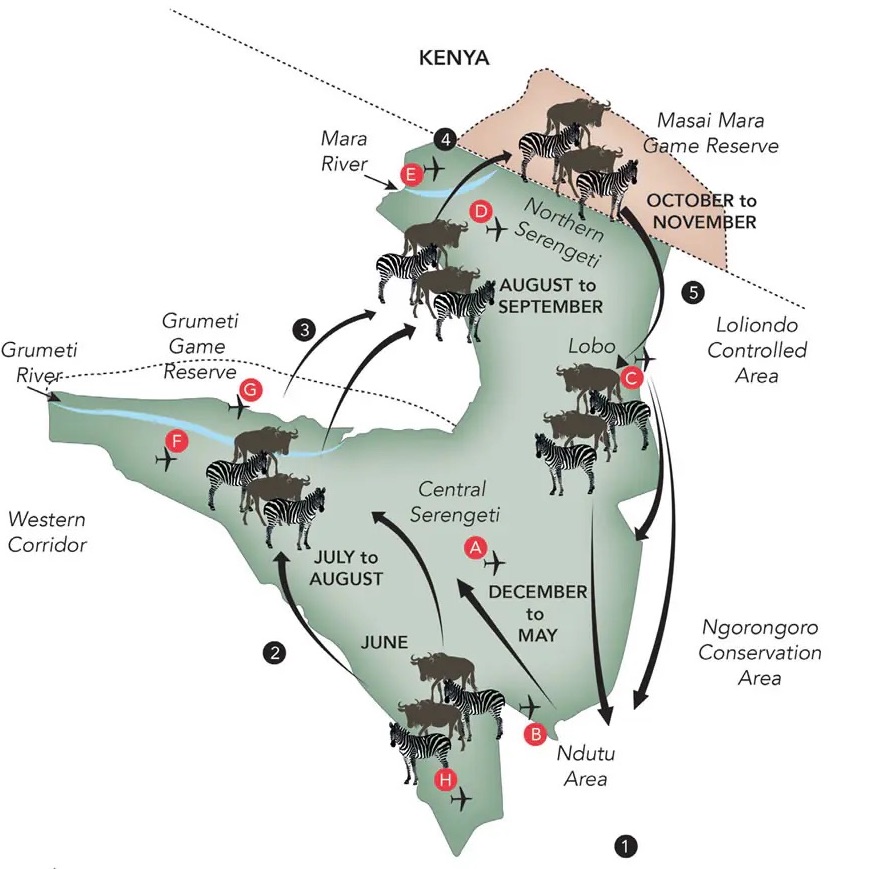
During these months, the wildebeest scatter across the Sourthern and Sourthernwestern plains of the Serengeti, as well as the Western edges of the Ngorongoro Conservation Area. Here, the landscape is lush, offering ample grazing for the herds as they spread out and take advantage of the fertile grounds.
April
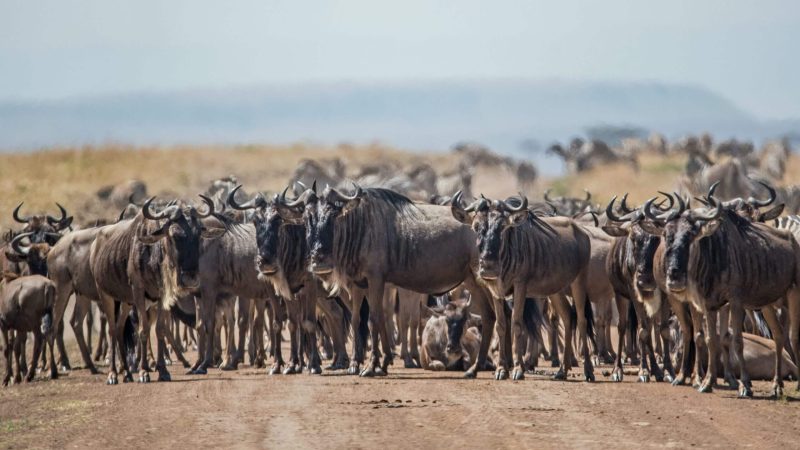
As the rains taper off, the Serengeti’s streams dry quickly, nudging the wildebeest towards the remaining pockets of greenery. It’s during this time that smaller groups start to merge, forming massive herds that begin their journey northernwest in search of fresh grazing lands.
May - Early July
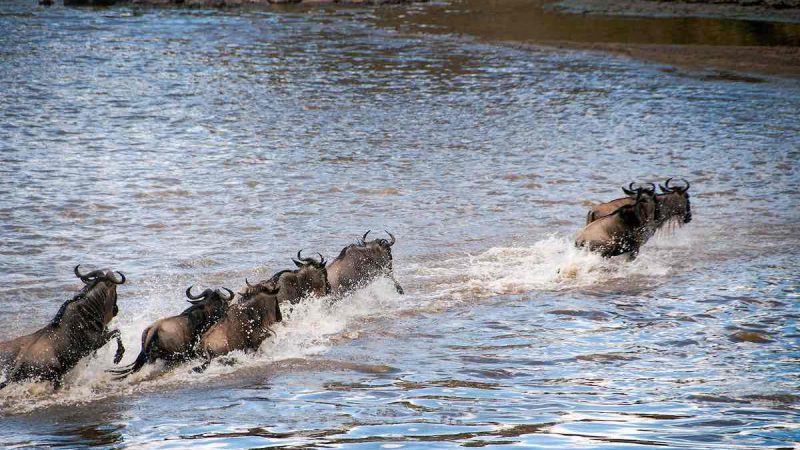
In early May, the great herds shift towards the Western Corridor of the Serengeti By late May, they reach the Grumeti River , a predator-laden crossing where the crocodiles lie in wait. This perilous journey through the river’s grasp usually unfolds between late May and early July and is over in a matter of days, though its impact lingers long in memory.
Mid-July - August
September - October
By early September, the final stragglers have left the Serengeti for the greener pastures of the Masai Mara, where most will remain throughout October, grazing and preparing for their next move in the cycle.
November - December
As November rolls in, the anticipation of the rains draws the herds back sourthward. The great migration retraces its path through the heart of the Serengeti, culminating in the southern plains by December, where the cycle of life continues anew.
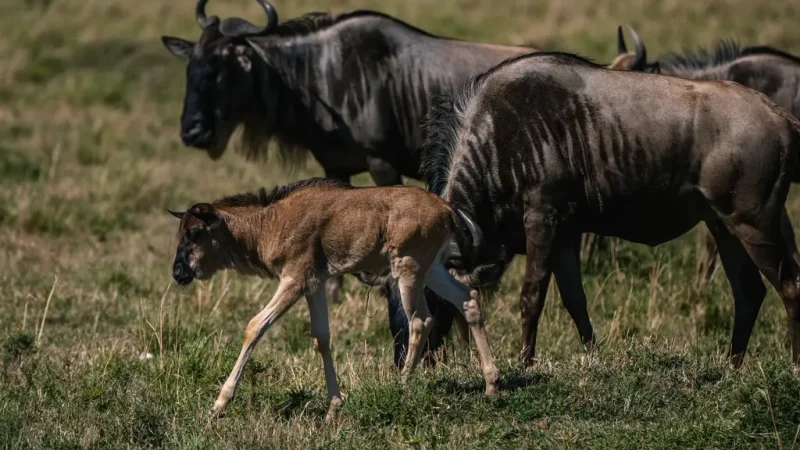
As the rain season draw to a close, female wildebeest enter a brief window of fertility that lasts for two to three weeks, though each individual is fertile for only a single day. During this time, males stake out small mating territories within the vast super herd, each vying for the opportunity to mate. About eight months later, approximately 5000 to 8000 calvesare born every day within a tight span of just a few weeks.
Wildebeest calves are born in the middle of the herd and within days can keep up with the adults when running. This helps them avoid becoming prey during the migration.If you’re planning your visit during this period, you’ll not only be treated to the spectacle of new life but also benefit from more affordable accommodation rates – a rewarding opportunity for budget travelers seeking both adventure and value.
Best Time to Visit Serengeti
Serengeti is a year-round destination, but the timing of your visit can greatly influence what you’ll experience. If you’re drawn to the spectacle of the Great Migration, your best bet is between July and August when thousands of wildebeest brave the dangerous Mara River crossing. This dramatic event is a highlight for many, as predators lie in wait and the tension between survival and loss unfolds.
For a more intimate look at the life cycle of the Serengeti’s wildlife, consider visiting in February. This is the time when the wildebeest calving season starts, with nearly half a million calves born over the course of a few short weeks. It’s a time of new life, but also of heightened vulnerability as predators circle the herds, taking advantage of the abundance of prey.
Bird enthusiasts may prefer the period from February to May, as Serengeti becomes a haven for birdlife, with migratory species flocking to the region. The lush green landscapes provide the perfect backdrop for spotting a diverse range of species, making this a prime time for birdwatching.
POPULAR ACTIVITIES
Guided Walking Safaris
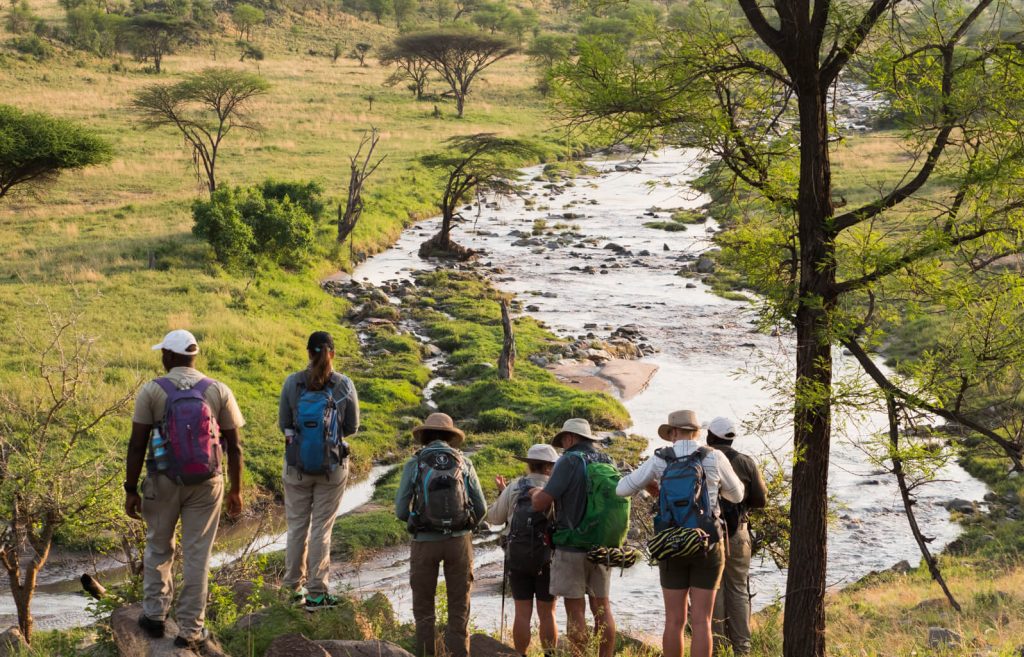
Serengeti’s guided-walk safari is a world-class safari style to experience the park’s raw wilderness. Unlike game drives where you remain concealed in a vehicle, a guided walking safari allows you to step into the heart of nature, and feel the ground beneath your feet as you move through the African savannahs.
With the guidance of an armed game ranger, you’ll get up close and personal with Serengeti’s intricate ecosystems in ways you never imagined. Feel the gentle winds brush past you, inhale the earthy smells of the bush, and let your senses awaken to the subtleties of your surroundings.
Serengeti Hot-air Balloon
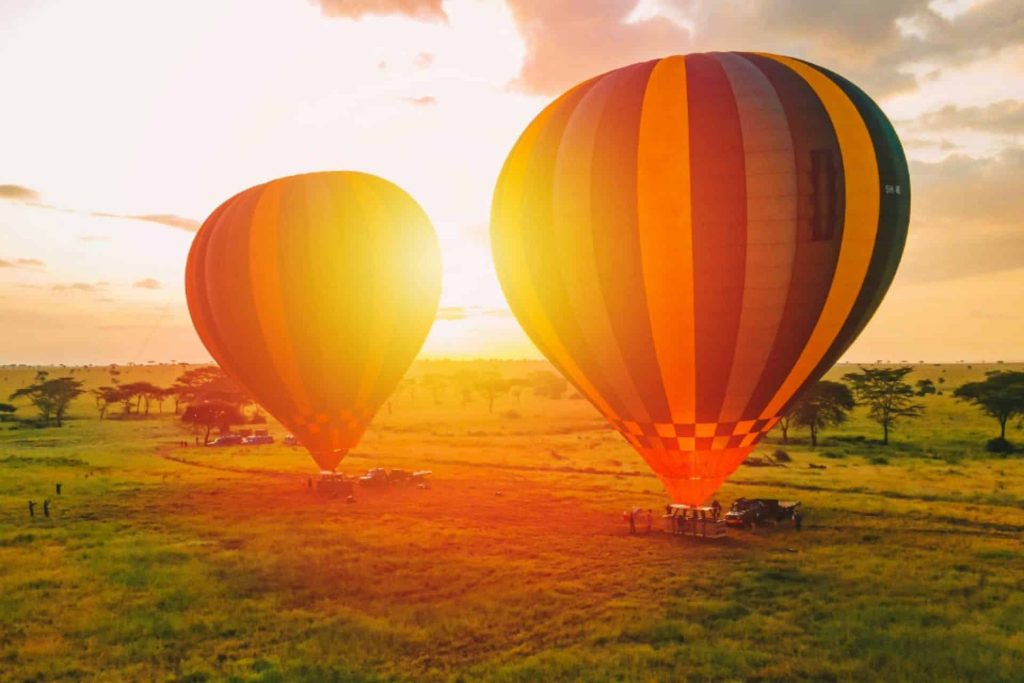
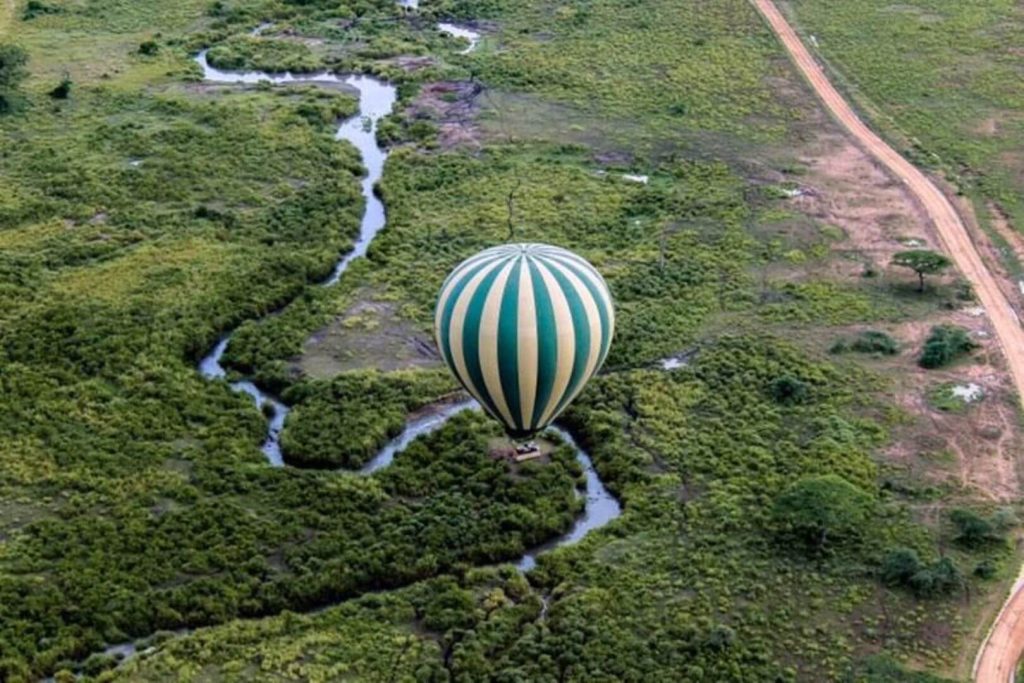
There’s simply no better way to start your day in Serengeti than by soaring over its rolling grasslands in a hot-air balloon. As you gently slip from the ground into the sky at dawn, the exotic landscape below comes to life. Floating serenely above the plains, you’ll watch as the golden hues of the early morning sun paint the endless savanna, casting long shadows over the meandering herds. The rhythmic bursts of flame from the balloon burner break the morning silence, providing you with a sense of gentle momentum.
The Serengeti hot-air balloon flight typically lasts around an hour, a time that seems to both stretch and fly by as you take in the magic of the Serengeti from an entirely new perspective. Though not the most affordable of safari activities, the fine memories and stunning photographic opportunities make a Serengeti hot air balloon ride well worth the investment.
Hot-air Balloon Itinerary
5:00 AM – Pick Up from the Lodge
Your day begins early with a pick-up from your lodge, setting the stage for a magical morning.As the night sky starts to pale, you’ll be whisked away to the launch site, where the balloons are being prepared for flight.
6:00 AM – Takeoff
As the first light of day breaks over the horizon, your balloon lifts off, gently ascending into the sky. From this aerial vantage point, you’ll float above the vast Serengeti, watching the landscape unfold below in the soft, golden light of dawn.The experience is surreal – seeing the Serengeti’s rolling plains, rivers, and wildlife from this elevated view offers a perspective that few ever get to witness.
Approximately 7:00 AM – Champagne Breakfast
After an hour of gliding over this incredible landscape, you’ll make a gentle landing. The adventure doesn’t end there; you’ll be treated to a Champagne breakfast right in the heart of the bush, a traditional ritual that follows a flight of a lifetime.As you savor the morning, you’ll toast to the memories you’ve just created – memories that will linger with you for the rest of your life.
Camping
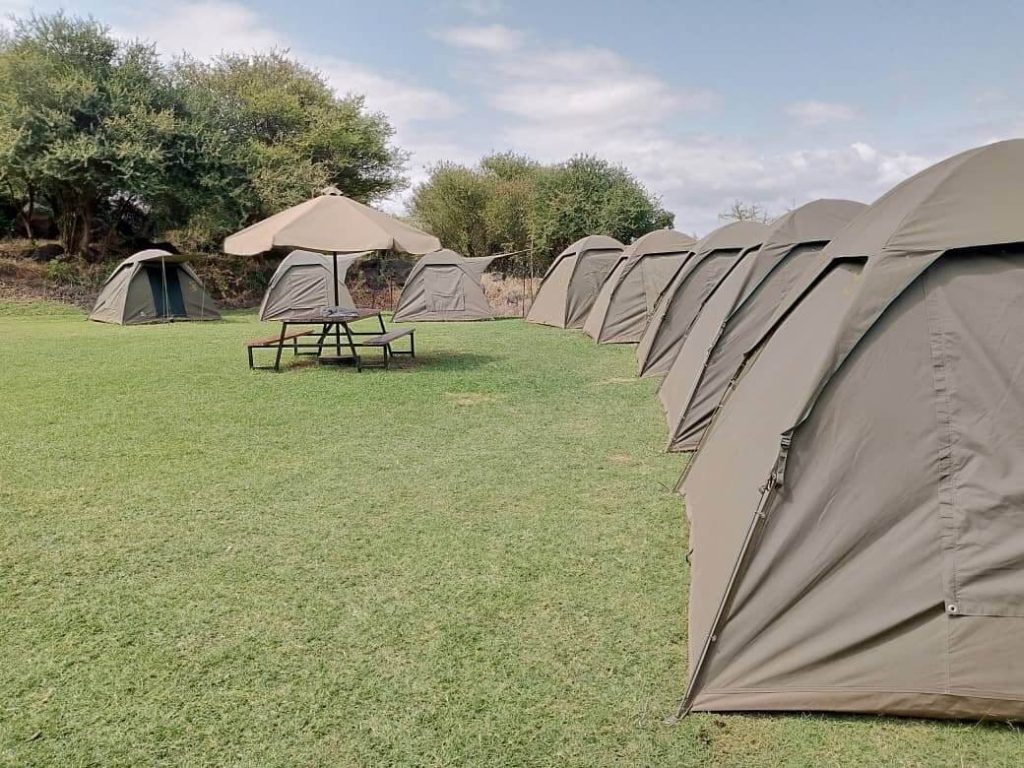
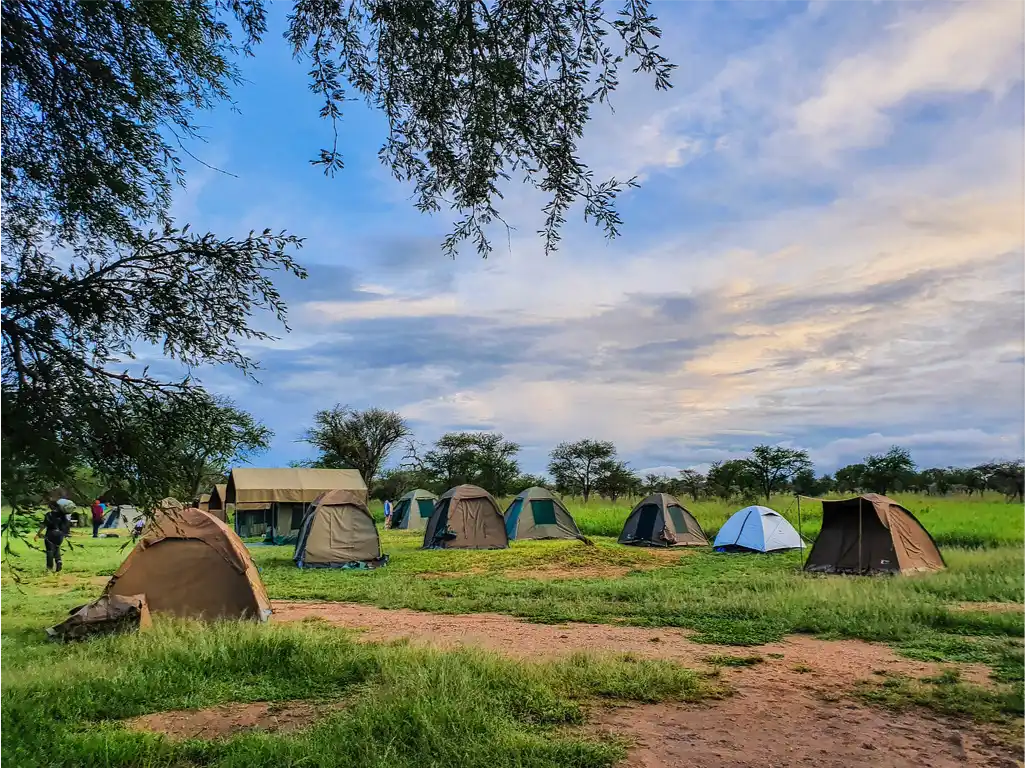
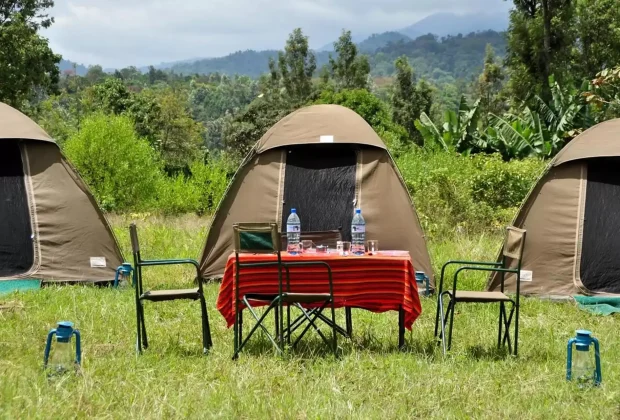
Unlike conventional lodging style that can take the biggest bite out of a vacation budget, camping in Serengeti provides a perfect opportunity to spend less while experiencing the full spectrum of the wild. With prime morning and evening wildlife viewing hours right outside your tent, you’ll be able to capture every detail of the Serengeti’s ecosystem and wildlife from dawn till dusk.
Imagine gathering around the campfire to toast your favorite treats while the sounds of the African night – distant roars and the chorus of crickets – envelop you. The warmth of the fire and the rustic ambiance create memories that traditional lodging simply can’t replicate. With the assistance of your driver-guide and a cook, you’ll have everything you need to pitch your tent and set up your temporary home under the stars. Essential kitchen gear and simple camping necessities like a tent, pillow, and sleeping bag are all that’s required for a memorable stay.
Public Camping Site
PIMBI PUBLIC CAMPSITE
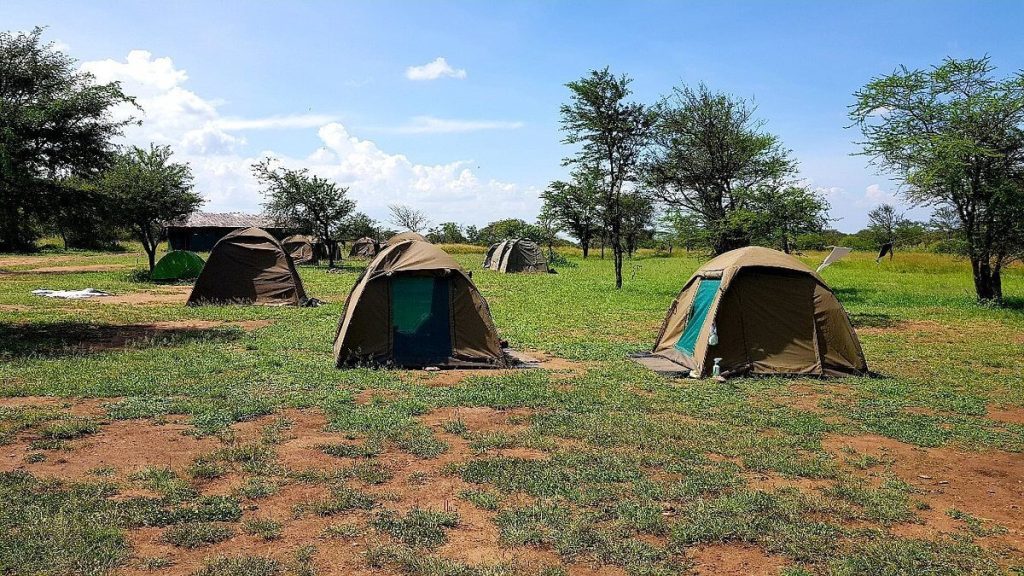
NGUCHIRO PUBLIC CAMPSITE
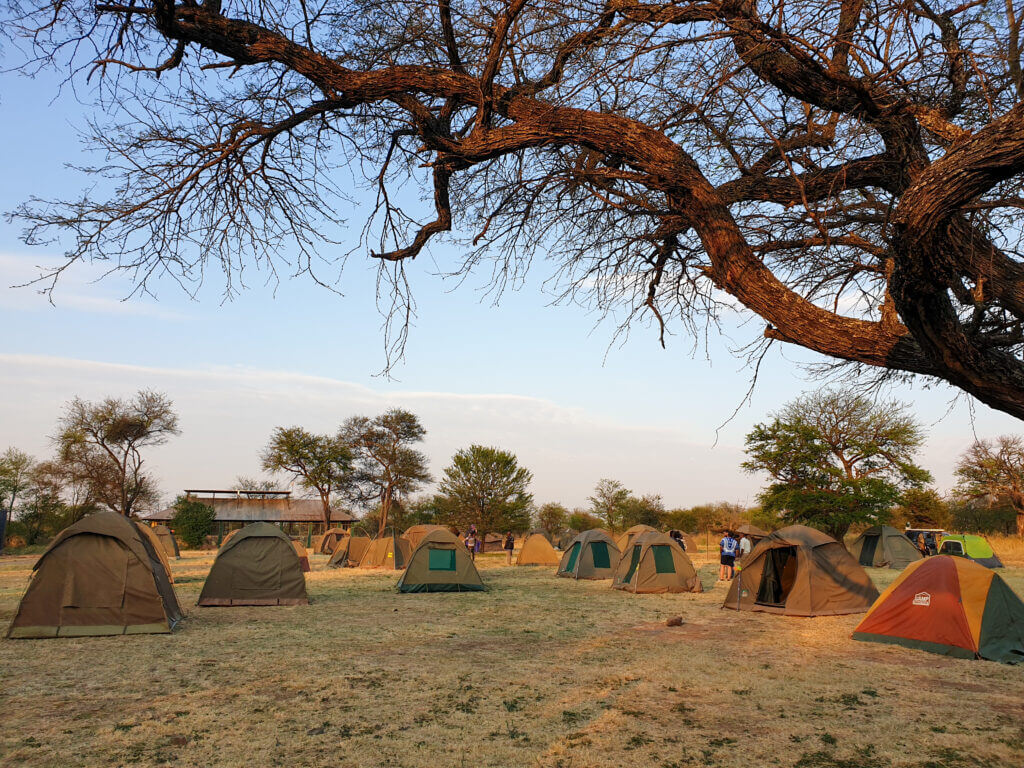
NGIRI PUBLIC CAMPSITE
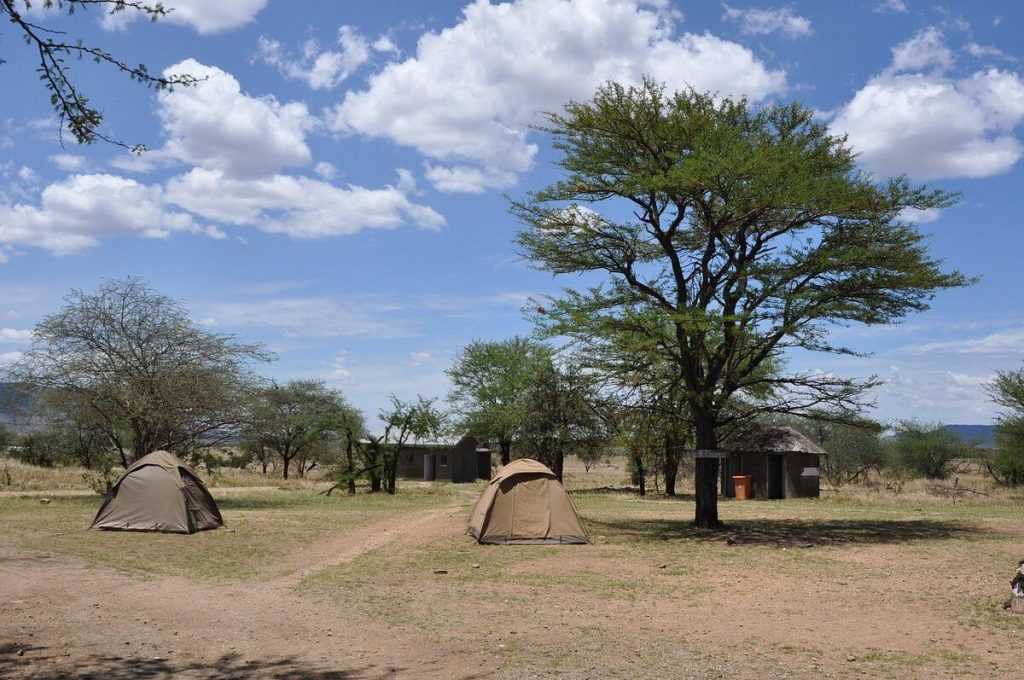
NYANI PUBLIC CAMPSITE
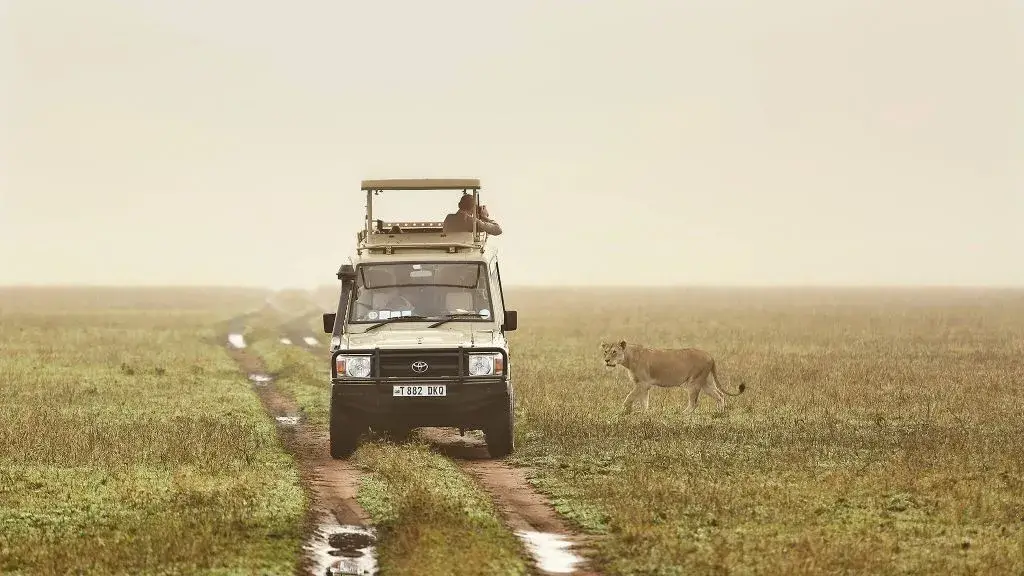
Game Drives
Game drives in the Serengeti offer an exceptional window into the wild heart of Tanzania. As one of the most popular safari activities, they provide a dynamic and ever-changing adventure that captures the essence of this vast landscape.
Early mornings are a magical time to witness predators in action, their stealthy movements illuminated by the soft, golden hues of sunrise. Midday game drives offer a chance to see the Serengeti’s residents taking refuge in the shade, and this allows unique insights into their behavior and interactions. As the day winds down, the cooler evening temperatures invite a renewed burst of activities, from grazing herds to the stealthy pursuits of predators.
ACCOMODATION OPTIONS
IN SERENGETI
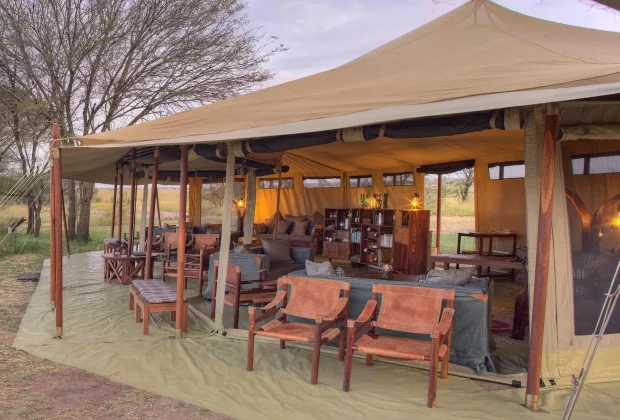
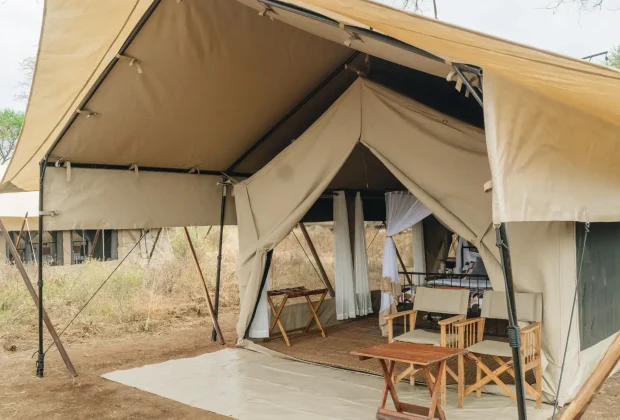
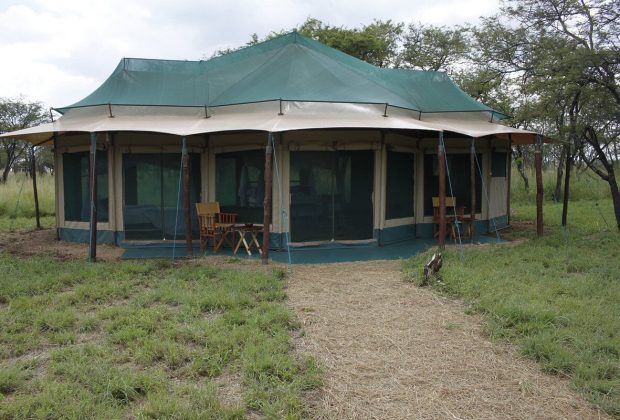
Tented Camps
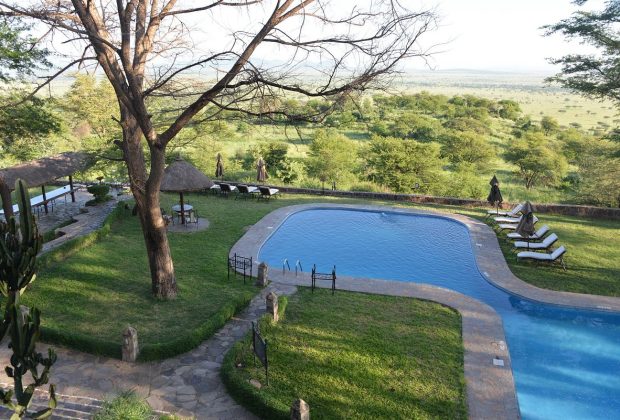
Lodges
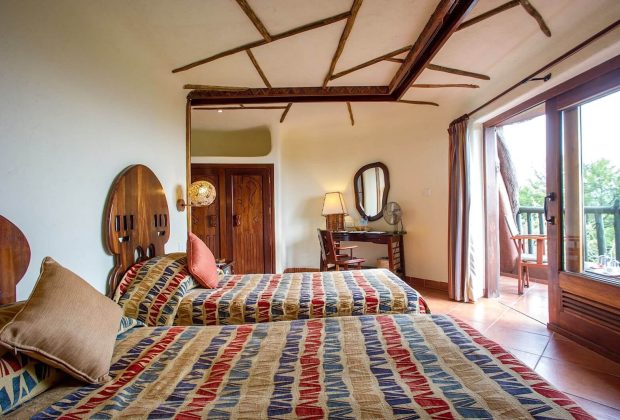
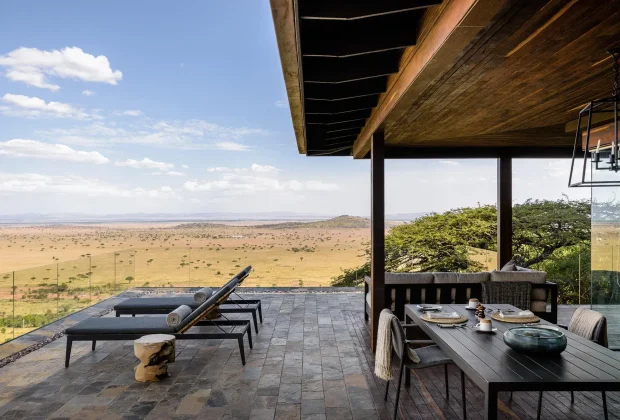
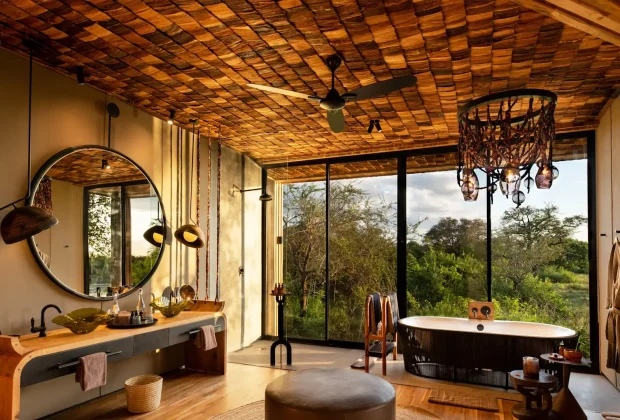
Hotels
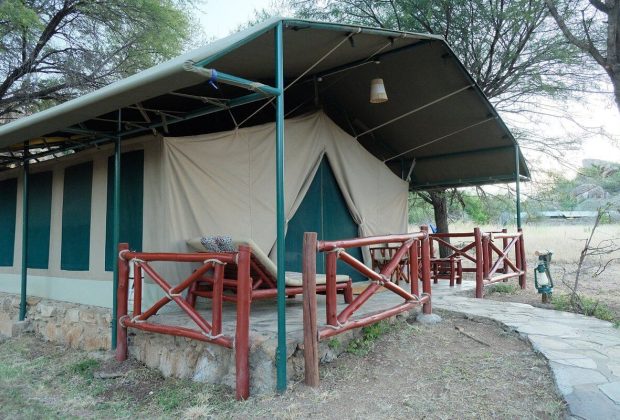
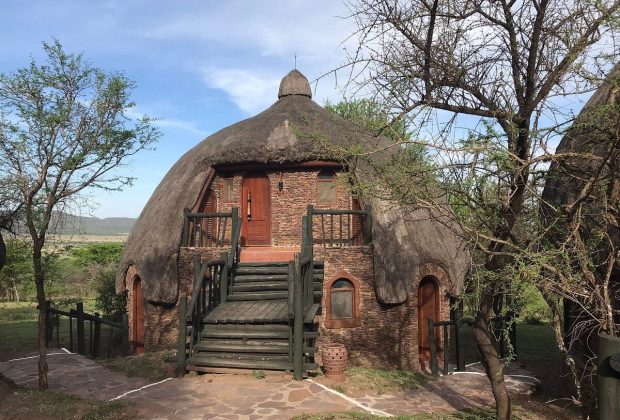
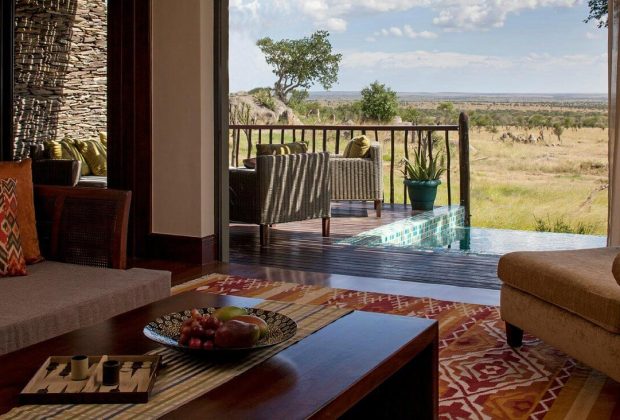
High-End Luxury Hotels

Locating Serengeti
- COORDINATES -
Serengeti is approximately 335 km (208 miles) west of Arusha, 245 km (152 miles) north of Tarangire, 175 km (109 miles) southeast of Lake Manyara, and 90 km (56 miles) northeast of Ngorongoro.
TANZANIA TRAVEL GUIDE
- Tanzania Travel Visa
- Things to Do in Tanzania
- Things to Do in Zanzibar
- What to carry on safari
- Tanzania Travel Insurance
- Tanzania Safari Cost
- When to Visit Tanzania
- Beach Holiday
- General Tanzania Travel Guide
- Before, During & AFer your Tanzanian Safari
- Tanzania Safari Packages
- Tanzania FAQs
POPULAR SAFARI ACTIVITIES
- The Great Wildebeest Migration
- Serengeti Hot-air Balloon Experience
- Luxury Tanzania Safari
- Family on a nature-based Safari
- Tanzania Honeymoon Safari
- Tanzania Solo Safaris
- Short & Unforgetable Tours
- Cultural Safari Experience
- Camping in Tanzania
- Night Game Drives in Tanzania
- Small Group Safaris in Tanzania
- Tanzania Best Combo Packages
THE COMPANY
- Our Story
- Women Drivers at Zoe
- Our Safari Vehicle Fleet
- Meet the Zoe Guides
- Michael, Samuel, & the Dream
- Zoe Philanthropic Programs



- ZOE EXPEDITIONS CO. LTD
- P.O. Box 12168
- ARUSHA, TANZANIA
Make Online Payments Safely & Easily
WE ACCEPT

KILIMANJARO GUIDE
- Kilimanjaro Packing List
- Kilimanjaro Weather
- General Kilimanjaro Trekking Guide
- Kilimanjaro Porters
- Preparing for your Kilimanjaro Trek
- Health Information on Kilimanjaro
- Best Time to Trek Mount Kilimanjaro
- Tipping on Kilimanjaro
- Budget Vs. Luxury Kilimanjaro Climb
- Women on Kilimanjaro
- Kilimanjaro Altitude Sickness
- Kilimanjaro Trekking Guide
- Kilimanjaro Full Moon Climbs
- Kilimanjaro FAQs
KILIMANJARO GUIDE
- Accommodations in Tanzania
- Private Tours
- Tailor-made Safaris
- Travel Tips & Advice
- Volunteering in Tanzania
- Travel Responsibly

© Copyright 2025 – All Rights Reserved – Zoe Expeditions
- Terms and Conditions
- Privacy policy
- Payment Method
- Understand Safari Pricing
