
Tarangire National Park
The Elephant Paradise
About Tarangire National Park
Named after the life-giving Tarangire River, this is Tanzania’s fifth-largest park, covering 2,642 sq. km (1,030 sq. miles), with its larger ecosystem extending to nearly 35,000 sq. km (13,650 sq. miles). Sometimes referred to as a “mini-Serengeti,” this hidden gem shares topographical similarities with its famous neighbors but boasts its own distinct allure.
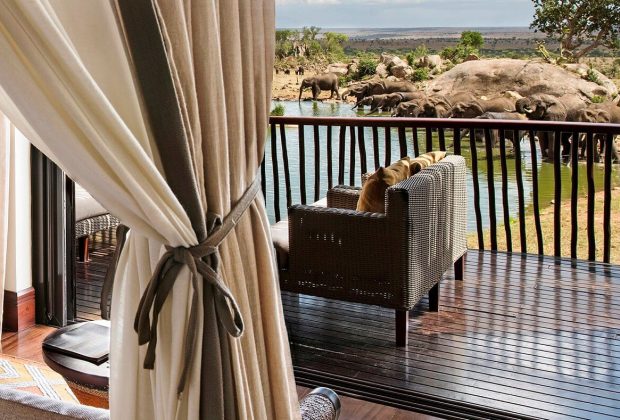
Second only to Ngorongoro-Serengeti ecosystem in terms of wildlife concentration, Tarangire is home to 94 mammal species, including Tanzania’s largest elephant population, and offering more frequent wildlife sightings even than Serengeti. The short-grass plains in the north, dotted with iconic “umbrella” fever trees, create the perfect backdrop for game viewing. Baobab trees, known as the “tree of life,” stand tall over the open plains, attracting a wide variety of animal and bird species drawn to the Tarangire River’s permanent waters, especially during the dry season.
The Tarangire Ecosystems
Also known as the Masai Steppe, or the Tarangire-Manyara Ecosystem, the Tarangire Ecosystem is as diverse as the park itself, supporting a variety of wildlife. This is home to the second-largest population of migratory ungulates in East Africa and boasts the largest population of elephants in Tanzania northern circuit.
The Tarangire Ecosystem is primarily shaped by the watershed boundaries of the Lake Manyara Basin and the Engaruka Basin, as well as the extensive migratory routes of the eastern white-bearded wildebeest and plains zebra, whose survival depends on navigating the ecosystem’s diverse zones. This diverse region encompasses the dry-season wildlife concentration zone near the Tarangire River, known for its high-density wildlife populations, and the wet-season dispersal and calving grounds in the Northern and Simanjiro Plains.
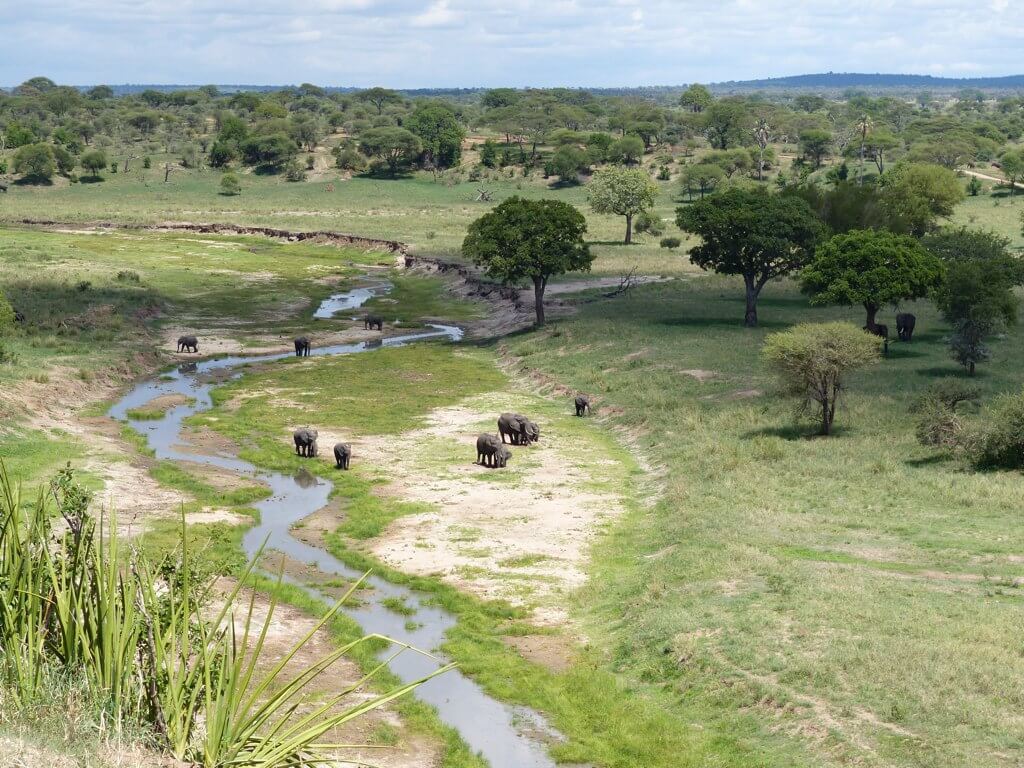
During dry seasons, the Tarangire River becomes a vital lifeline for wildlife, drawing large concentrations of animals to its water sources. As the seasons take shifts, the migratory herds relocate to nutrient-rich calving grounds outside the park for the survival of their young and the continuation of their populations. The interplay between the park’s water sources and the external forage areas highlights the intricate balance necessary for sustaining the rich biodiversity of the Tarangire Ecosystem.
The lush green swamps of Tarangire – Gursi, Larmakua, Nguselorobi, and Silale – present a striking contrast to its unique plains, attracting herds of buffalo, wildebeest, and zebra, often with predators never far behind. As you venture farther south, the vegetation becomes denser, leading to fewer game sightings, though open savannah areas still offer more intimate wildlife encounters, away from the usual crowds.
OTHER INTERESTING PLACES TO VISIT FROM TARANGIRE
Kondoa Rock-Art Sites a Glimpse Into Ancient Art History
Legend has it that the Kondoa Rock-Art Sites chronicle two unique eras, each capturing its own slice of history. The oldest, known as the Red Paintings, date back approximately 7,000 years and desplay stylized depictions of human figures – some dancing, hunting with bows and arrows, or adorned with skirts, and intricate hairstyles. Large animals like giraffes and antelopes also appear alongside geometric shapes, which add a layer to the mystery. It is believed that these artworks were created by the Sandawe, a group linked linguistically to South Africa’s San, or possibly the Hadza of Lake Eyasi, these artworks provide a window into ancient cultures.
In contrast, the Late White Paintings, dates back roughly 1,500 years and is attributed to the Bantu-speaking people who later migrated to Kondoa. These newer paintings feature wild or mythical creatures, human figures, and intricate patterns made with dots, circles, and rectangles. However, many of these paintings are more abstract, with some taking on unintelligible forms. Together, these two eras of rock art tell a captivating story of the evolving cultures and artistic expressions within the Kondoa region.
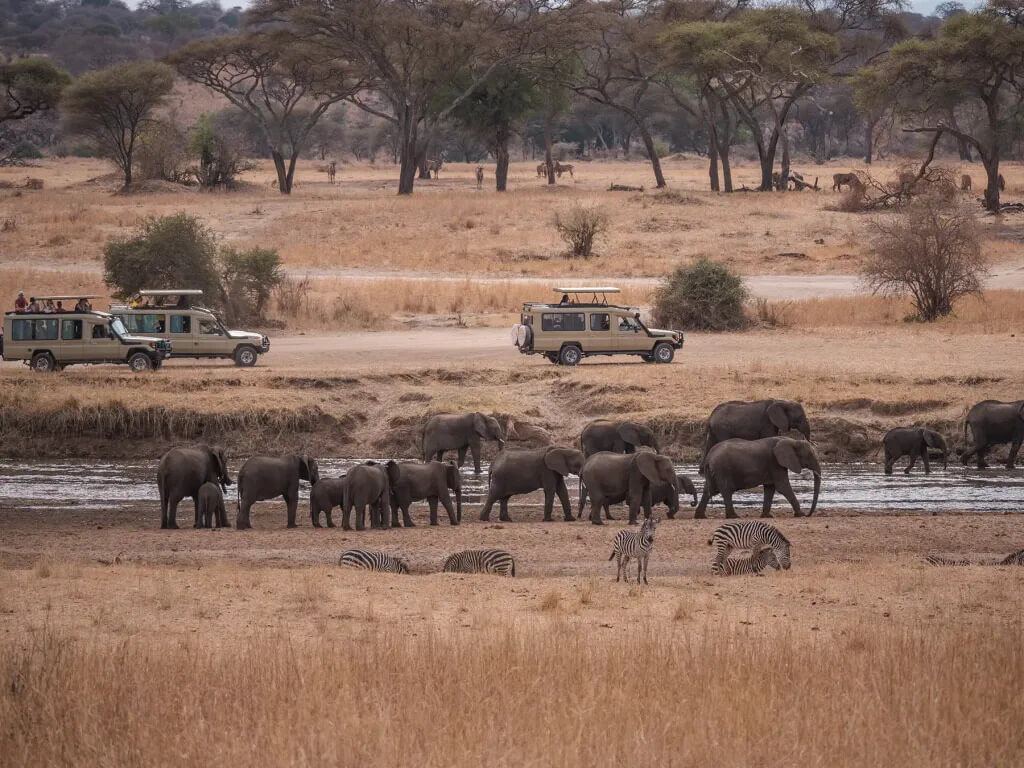
Daytime Game Drives
Game drives in Tarangire are often the heart of a safari experience, granting some of the finest wildlife viewing opportunities. The park’s diverse habitats provide a perfect stage for an unforgettable adventure. From the comfort of a well-maintained 4×4WD safari vehicle, it’s easy to find excuses to spend an entire day captivated by the Tarangire’s natural beauty and abundant wildlife.
A special retreat for a Zoe Expeditioner, these private game drives are enhanced by the gentle luxury of your surroundings and the enthusiasm of a well-trained and knowledgeable driver guide. Spend at least two days here, and you’ll leave with stories you’ll cherish for a lifetime; and trust us – you won’t regret a single moment.
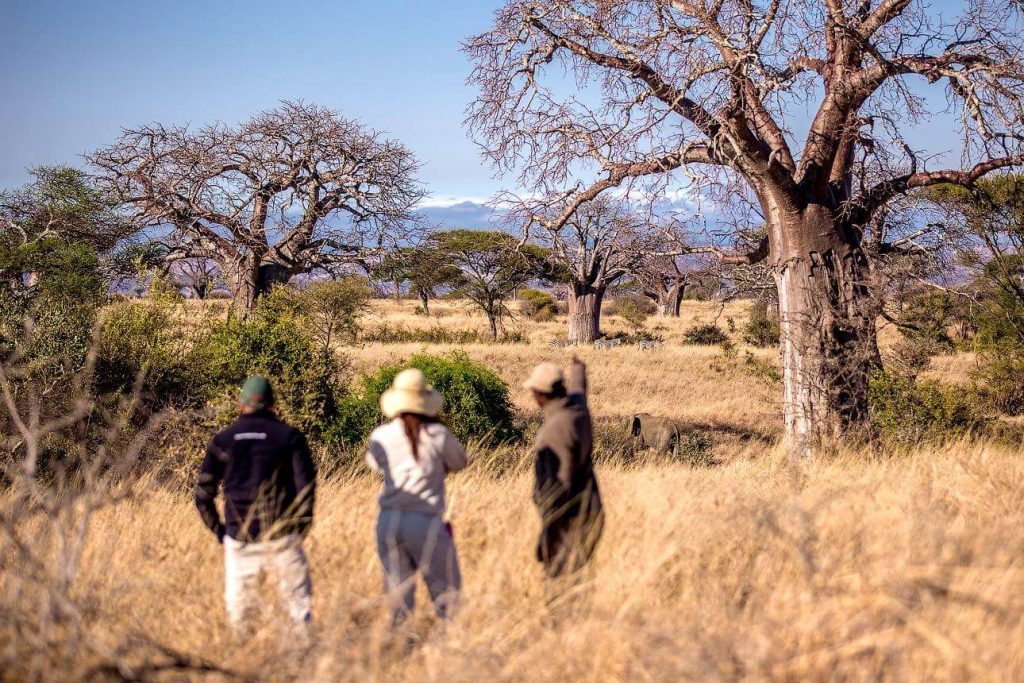
Guided Bush Walk Safaris
A guided walking safari in Tarangire lets you step out of a safari vehicle – go beyond the ordinary – and feel the pulse of nature on an invigorating bush walk, one of those little luxuries of the wild that brings you close and personal with the African wilderness. With the smells, colors, and ambiance of the wild surrounding you, nothing quite compares to the quietness of these wonderful locations within walking distance.
Every little sound is amplified, and not the smallest movement overlooked. It’s an unrivalled experience that culminates in pondering the cool world of the wilderness, blending a hands-on encounter with nature. Accompanied by an armed park ranger who will – if push comes to shove – shoot an animal to preserve your life, this safari adventure allows you to explore Tarangire on foot, and engage all of your senses.
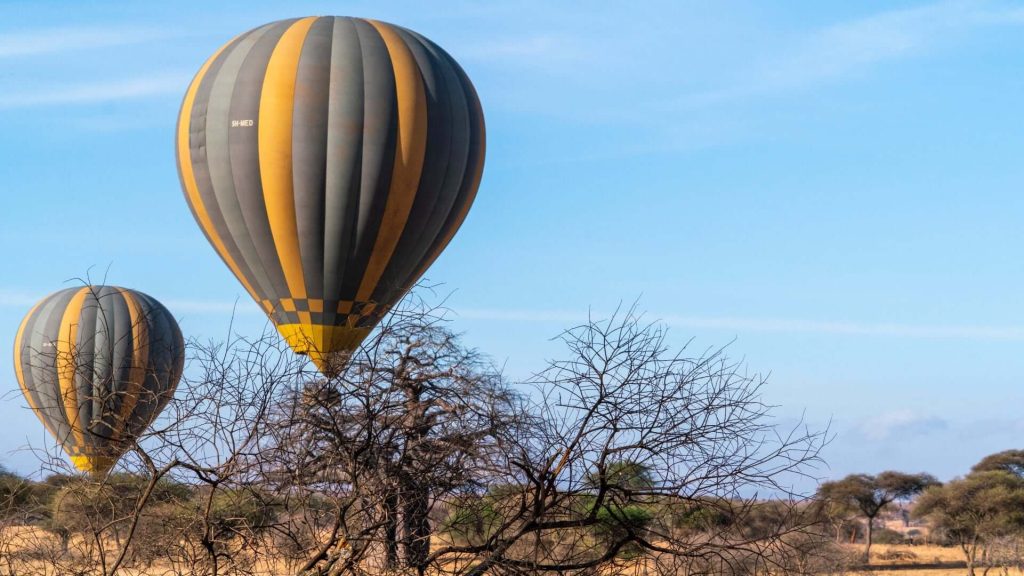
Hot-air Balloon Safaris
Get into the mood with a breathtaking hot-air balloon safari that launches at dawn, skimming just above the Earth’s surface. From this enchanting height, terrestrial animals and the diverse topography of Tarangire blend together to create a marvelous bird’s-eye spectacle like no other.
Float above the rolling golden plains, following the winding contours of the Tarangire River, where compelling vistas unfold beneath you. It’s a rare opportunity to experience the animal kingdom from an entirely different vantage point, an extraordinary perspective that reveals the raw beauty and rhythm of the African wilderness in an unforgettable way.
Birdwatching
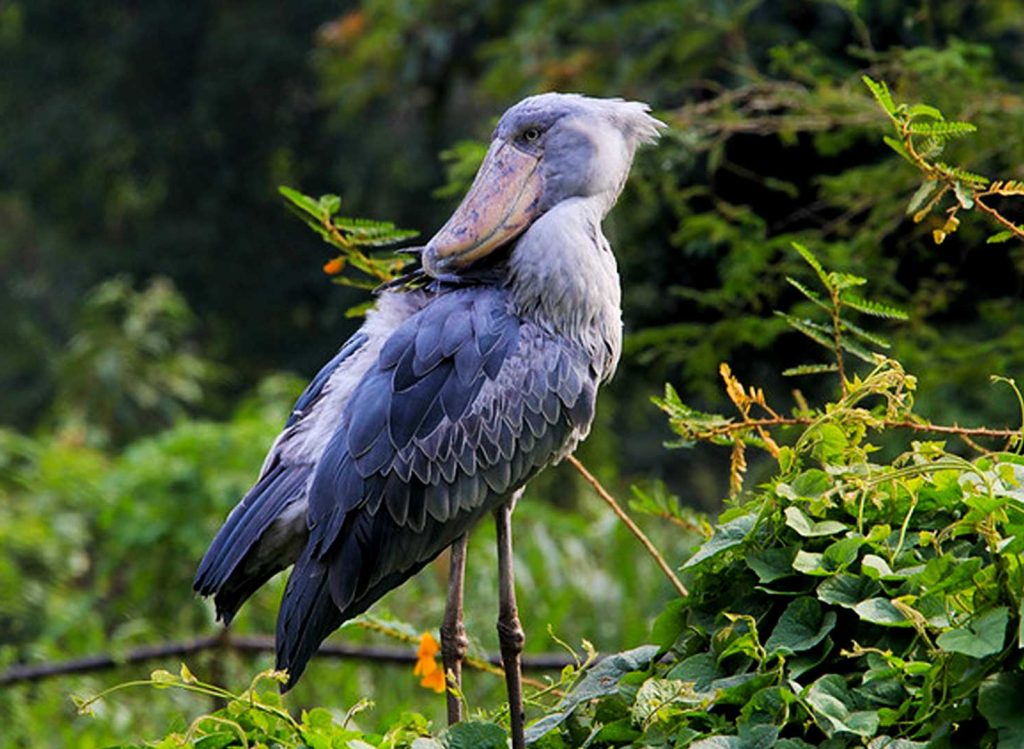
With an impressive 550 gemlike avian species, Tarangire is nothing short of a birdwatcher’s paradise; probably the best place for birdwatching safari in Tanzania. During the winter months, theoretically running from October through April, the wilderness transforms into a haven for both permanent and migratory birds.
Keen eyes will be treated to sightings of Kori Bustards, Helmeted Guinea Fowl, Bee Eaters, Hamerkops, Hornbills, Striped Swallows, and the vibrantly beautiful Yellow-collared Lovebirds. With your driver guide pointing out the region’s feathery wonders, you’ll appreciate every moment teems with life all around you.
Cultural Tours
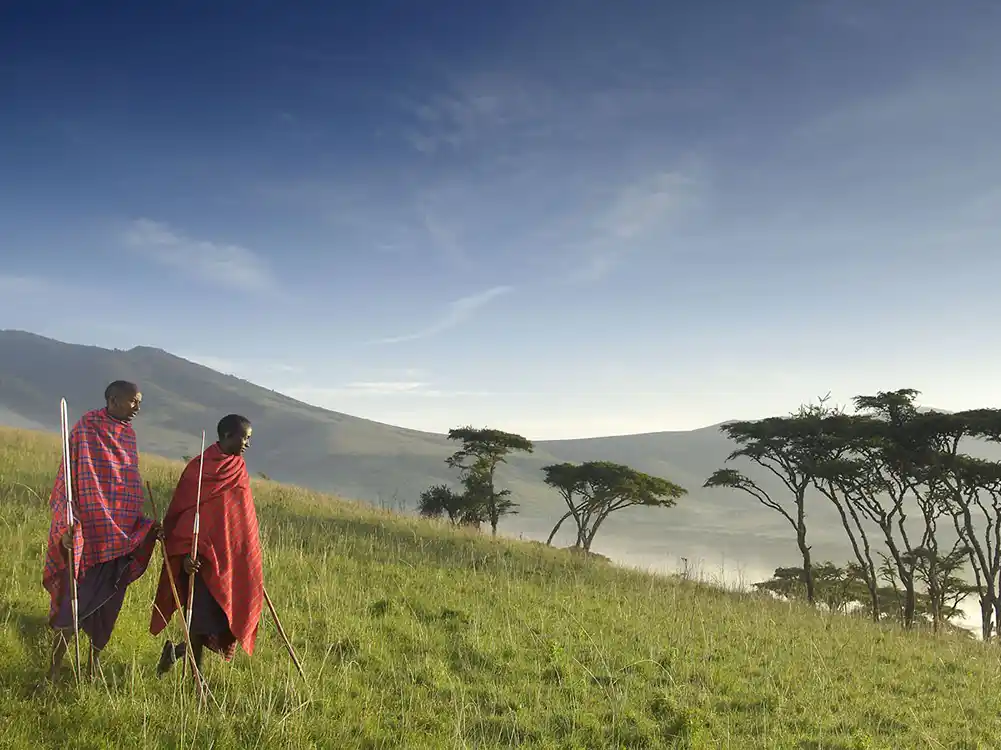
In addition to its rich wildlife, Tarangire offers the chance to connect with the Maasai communities that surround the park. During these cultural tours, you’ll meet the tribesmen and gain insight into their way of life – their deeply held beliefs, daily lifestyle, and unique taboos.
It’s an eye-opening experience, especially if you have an interest in anthropology or sociology, this experience will be particularly enriching, offering a deeper understanding of the Maasai’s enduring traditions. Plus, all profits are plowed back directly into the communities, making it a meaningful way for local communities to share in the benefits of tourism.
Safari Experiences in Tarangire
POPULAR ACTIVITIES
The Best Time to Visit Month by Month Calendar
January – February
Experience the end of the short rains as the plains transform into golden savanna. This period offers excellent opportunities for spotting large herds of wildebeest, buffalo, and elephants congregating around water sources. However, brief showers can occur unexpectedly.
March – May
Long rains arrive in early March, transforming the park into a vibrant green expanse. While some roads may become challenging and wildlife harder to spot due to thick vegetation and increased water availability, the park’s stunning greenery offers a serene escape from crowds. This season is ideal for birdwatching enthusiasts as the rains attract numerous migratory avian species. If you don’t mind occasional rain, the landscapes are beautiful, and accommodation rates may be lower.
June – October
The dry season starts in June, making it the peak time for wildlife viewing. As water sources dry up, animals congregate around permanent waterholes and the Tarangire River. The landscape is more open, and the famous baobab trees stand stark against the clear sky. These are the best months for consistent game sightings, with September and October offering the most concentrated animal activity near the river.
November – December
The short rains kick in again, and the park bursts back to life. Wildlife disperses slightly as water becomes more plentiful, but the scenery is rejuvenated, and birdwatching is spectacular. Early December can be particularly rewarding if you’re looking for fewer crowds and a mixture of wildlife and lush scenery.
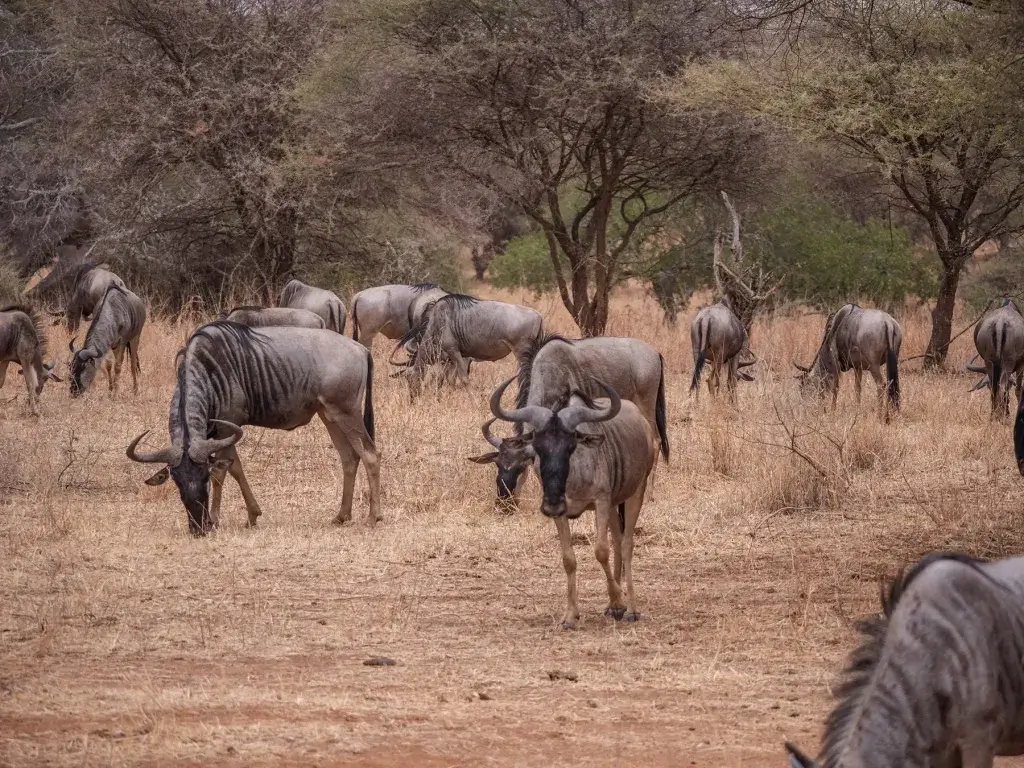
Depending on your preferences, your safari can be configured to match the best time for your interests, whether you seek vibrant wildlife activity, lush landscapes, or quieter park experiences.
Locating Tarangire
- COORDINATES -
Tarangire National Park is strategically positioned 118km (73 miles) southwest of Arusha, 90km (56 miles) east of Lake Manyara, and 150km (93 miles) southeast of Ngorongoro Crater.
ACCOMODATION OPTIONS
IN TARANGIRE
Lodges

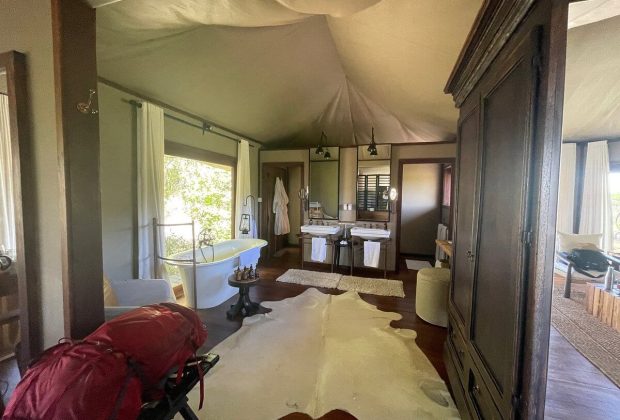
Hotels
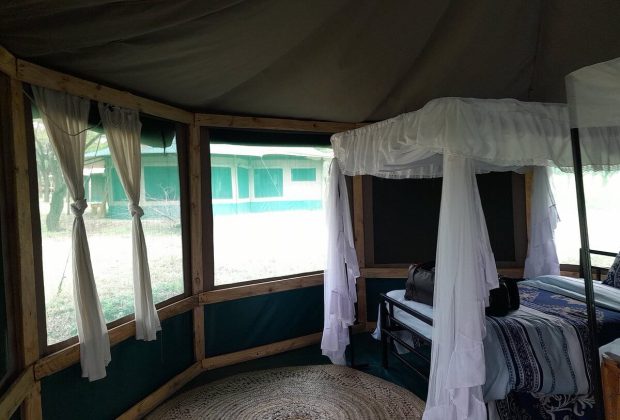
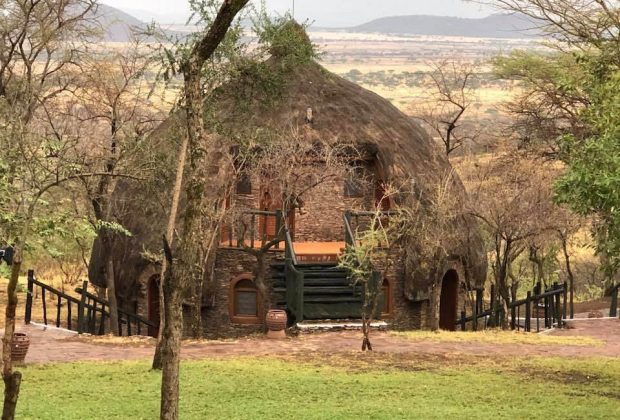
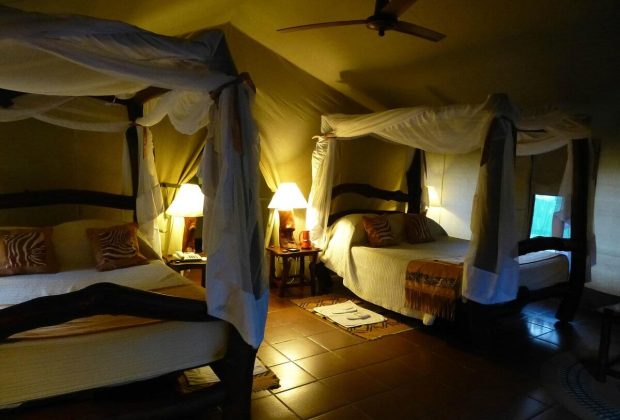
High-End Luxury Hotels
TANZANIA TRAVEL GUIDE
- Tanzania Travel Visa
- Things to Do in Tanzania
- Things to Do in Zanzibar
- What to carry on safari
- Tanzania Travel Insurance
- Tanzania Safari Cost
- When to Visit Tanzania
- Beach Holiday
- General Tanzania Travel Guide
- Before, During & AFer your Tanzanian Safari
- Tanzania Safari Packages
- Tanzania FAQs
POPULAR SAFARI ACTIVITIES
- The Great Wildebeest Migration
- Serengeti Hot-air Balloon Experience
- Luxury Tanzania Safari
- Family on a nature-based Safari
- Tanzania Honeymoon Safari
- Tanzania Solo Safaris
- Short & Unforgetable Tours
- Cultural Safari Experience
- Camping in Tanzania
- Night Game Drives in Tanzania
- Small Group Safaris in Tanzania
- Tanzania Best Combo Packages
THE COMPANY
- Our Story
- Women Drivers at Zoe
- Our Safari Vehicle Fleet
- Meet the Zoe Guides
- Michael, Samuel, & the Dream
- Zoe Philanthropic Programs



- ZOE EXPEDITIONS CO. LTD
- P.O. Box 12168
- ARUSHA, TANZANIA
Make Online Payments Safely & Easily
WE ACCEPT

KILIMANJARO GUIDE
- Kilimanjaro Packing List
- Kilimanjaro Weather
- General Kilimanjaro Trekking Guide
- Kilimanjaro Porters
- Preparing for your Kilimanjaro Trek
- Health Information on Kilimanjaro
- Best Time to Trek Mount Kilimanjaro
- Tipping on Kilimanjaro
- Budget Vs. Luxury Kilimanjaro Climb
- Women on Kilimanjaro
- Kilimanjaro Altitude Sickness
- Kilimanjaro Trekking Guide
- Kilimanjaro Full Moon Climbs
- Kilimanjaro FAQs
KILIMANJARO GUIDE
- Accommodations in Tanzania
- Private Tours
- Tailor-made Safaris
- Travel Tips & Advice
- Volunteering in Tanzania
- Travel Responsibly

© Copyright 2025 – All Rights Reserved – Zoe Expeditions
- Terms and Conditions
- Privacy policy
- Payment Method
- Understand Safari Pricing
