Mount Kilimanjaro
Discover an Adventure of a lifetime
Conquer the Roof of Africa
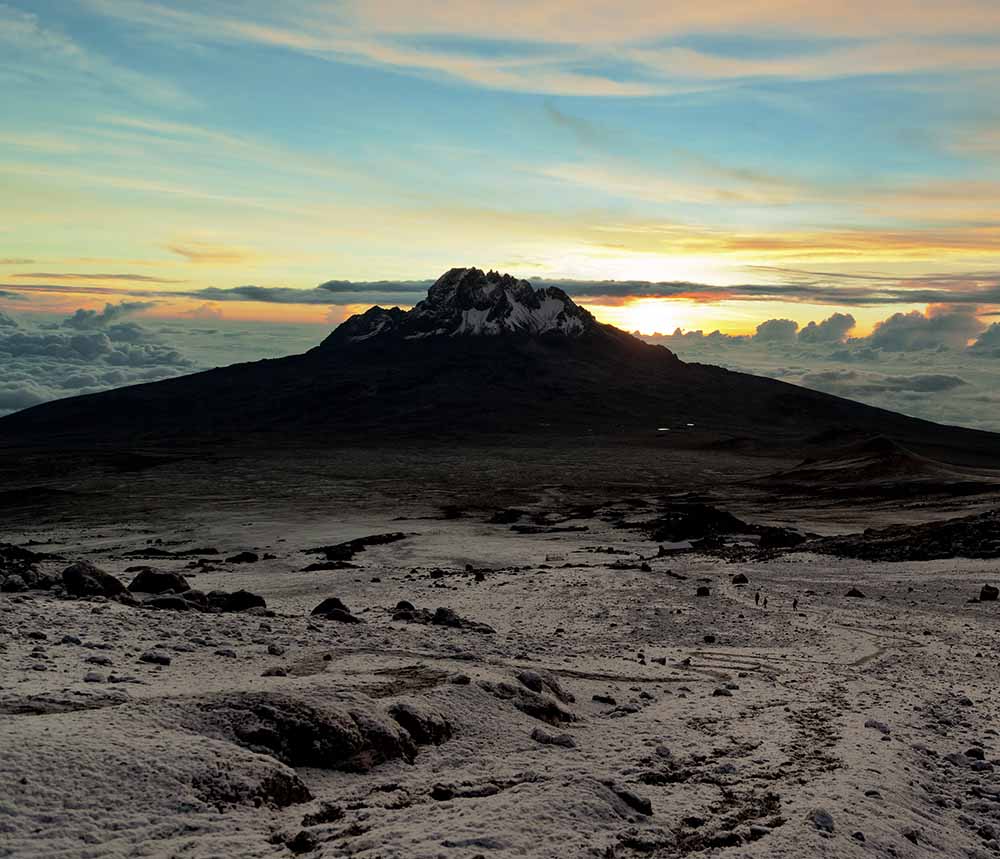
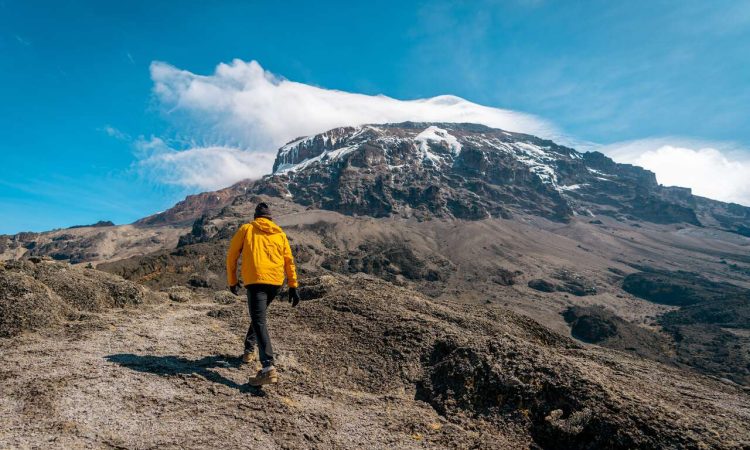
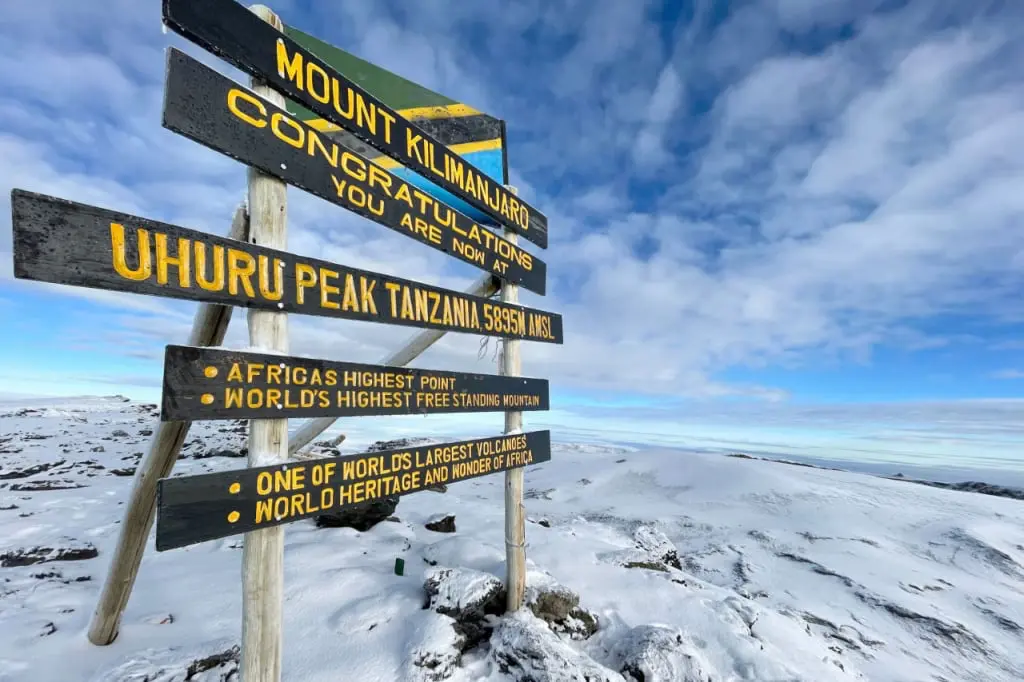
Rising 5,895 meters high above the sea level, Mount Kilimanjaro is the world’s highest freestanding mountain, crowned with glaciers that shimmer under the equatorial sun. This iconic landmark is one of Africa’s most breathtaking sights, offering a thrilling array of outdoor adventures.
Known as the “Roof of Africa,” the Mount Kilimanjaro presents a once-in-a-lifetime challenge, where the altitude tests even the most adventurous gurus. With its epic grandeur rivaling the Himalayan giants, Kilimanjaro is a place where ordinary people become heroes of their own stories, conquering new heights and leave with unforgettable memories. Beneath its spectacular shadows lie other East Africa’s most renowned peaks: the razor-edged Mount Meru, the well-and-alive Ol Doinyo Lengai, and Mount Hanang.
Kilimanjaro trekking packages
With Zoe Expeditions
6 Days
- Marangu Route
From
$00.0/Person
8 Days
- Lemosho Route
From
$00.0/Person
9 Days
- Lemosho Crater Camp
From
$00.0/Person
6 Days
- Lemosho Route
From
$00.0/Person
7 Days
- Machame Route
From
$00.0/Person
6 Days
- machame Route
From
$00.0/Person
Discover an Adventure of a lifetime
conquering the Roof of Africa
The Best Five Routes of Kilimanjaro
Kilimanjaro Marangu Route
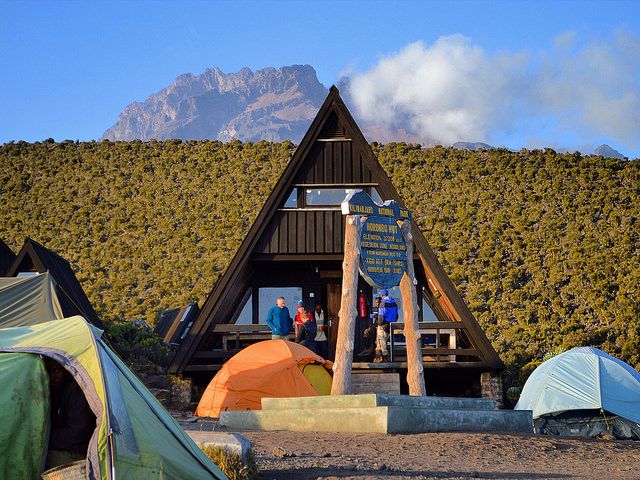
Also known as the Coca-Cola Route, this is the oldest and one of the most popular trails to the Kilimanjaro summit, with its trailhead staring at an elevation of 1,843 meters, and covers a total distance of 72 kilometers. What makes it stand out from other trails is that it’s the only route with dormitory-style accommodation for trekkers, offering a bit more comfort during the trek. There are 60 bunk beds each at Mandara and Kibo Huts, while Horombo Hut can accommodate up to 120 trekkers. Though mattresses (and pillows may be provided), trekkers will need to bring their own sleeping bags.
The trek via Marangu route can technically be completed in 5 days, but we highly recommend taking an extra day at Horombo Hut for acclimatization – a very important strategy to significantly improve your chances of successfully reaching the summit. A key factor to consider is that, the ascent and descent follow the same trail, which can limit the variety of landscapes compared to other trails. As a result, Marangu Route tends to get quite busy, especially during peak seasons.
Kilimanjaro Machame Route
It’s no surprise that nearly half of all trekkers on Mount Kilimanjaro would opt for the Machame route, whose trailhead begins at an elevation of 1,640 meters, and winds through beautiful scenery and diverse landscapes. The route offers an experience that feels like trekking through different worlds, from dense rainforests to alpine deserts.
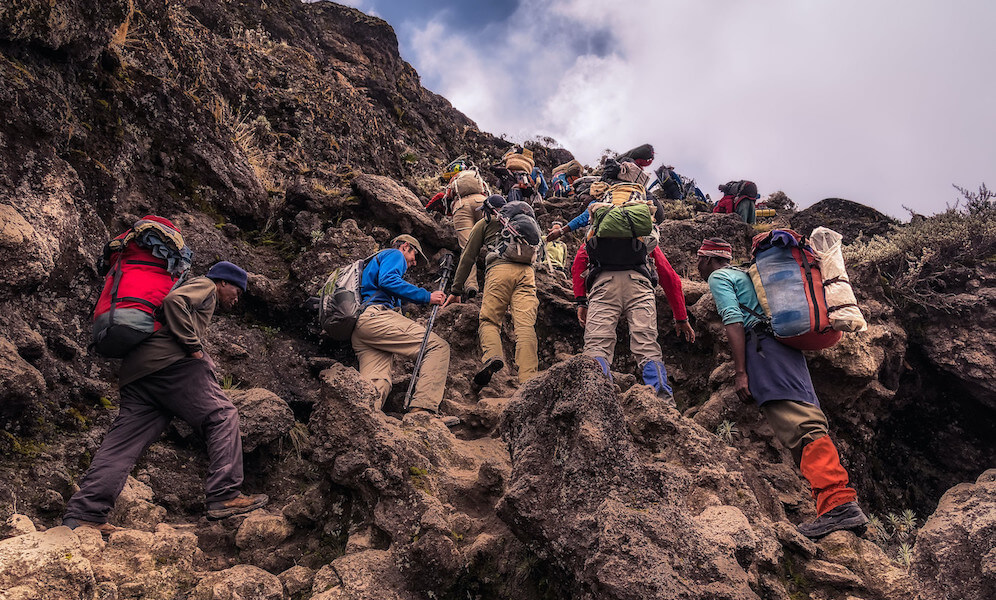
Though popular, Machame is no easy feat. Climbers are sure to face challenges like the Barranco Wall on day four – a daunting but rewarding scramble – and the steep ascent up Kibo on summit night. Thankfully, while the route can be demanding, no technical climbing skills are needed to conquer it. Covering around 62 kilometers from start to finish, the trek can be completed in either six or seven days, both offering a crucial “climb high, sleep low” strategy for better acclimatization, and therefore make it a well-balanced option for those eager to stand on Africa’s highest point.
Kilimanjaro Rongai Route
Far from the busier trails of Kilimanjaro, the Rongai Route’s trailhead begins at an elevation of 1,950 meters and winds its way up the Roof of Africa from the remote northeastern side of Kilimanjaro National Park. Known for its pristine wilderness, this route offers trekkers a unique opportunity to spot wildlife like elephants, buffaloes, and antelopes roaming freely – an experience rarely found on other trails. Unlike other trails, Rongai sees fewer crowds, and this gives it an untouched, almost a secret feel. Its drier climate compared to the southern slopes means you’re more likely to enjoy clear skies and crisp views of the Uhuru Peak.
The route itself covers a total distance of 73 kilometers and is more gradual but doesn’t allow the conventional practice of climbing high and sleeping low for acclimatization. This is why we recommend opting for a seven- or even eight-day option, to help you adjust to the altitude. On the summit night, you’ll tackle a steeper path from Kibo Hut, sharing the final push with Marangu trekkers at Gilman’s Point before reaching Uhuru Peak. The descent follows the Marangu trail, completing a route that offers a more personal Kilimanjaro experience with ample opportunity for personal reflection
Kilimanjaro Lemosho Route
Starting from the western slopes of Kilimanjaro at an elevation of 2,100 meters, a part of the mountain that remains unspoilt and remote, the Lemosho Route covers a total distance of 70 kilometers, offering a truly unique trekking experience. Originally established as an alternative to the Shira Route, which begins at a more challenging altitude, Lemosho allows trekkers to ease into the trek at a more manageable elevation. This route is known for its panoramic landscapes, and if luck is on your side, you might spot some of the larger wildlife, like antelopes, buffaloes, and occasionally elephants, as you ascend through this wild terrain.
After three days of trekking, the Lemosho Route converges with the Machame Route at Lava Tower, continuing down into Barranco Valley before tackling the Barranco Wall. Trekkers typically reach the summit from Barafu Camp, and then descend via Mweka Route. While most complete this route in six days, some opt for a seven- or eight-day trek, allowing for better acclimatization and improving the chance for a successful summit. These extended treks include additional stops at camps like Shira 1, Shira 2, and Karanga Camp, offering more time to adjust to the altitude and soak in the ever-changing landscapes of Mount Kilimanjaro.
Kilimanjaro Northern Circuit Route

They say the best adventures happen when you step away from the crowds, and the Northern Circuit on Kilimanjaro proves just that – a trail of quiet discoveries and full of adventures. Starting at an elevation of 2,100 meters, and covers a total distance of 98 kilometers, the Northern Circuit Route is relatively new compared to the six others. Its trailhead begins at the western Londorossi Gate and shares its first steps with the Lemosho Route for the initial two days. However, after crossing the Shira Plateau and passing Lava Tower, it breaks away to the north.
What makes this route stand out is its unique, longer trek around Kilimanjaro’s quieter side, resulting in fewer crowds and a more serene ascent. While most trails converge on the southern side, its trail ventures around to the east, ultimately approaching the summit via Gilman’s Point. The descent follows either Mweka or Marangu Route, where you might join trekkers from other routes.
The route typically takes eight to nine days to reach the summit, which makes it the Kilimanjaro’s longest route. The extra time spent on trek significantly increases the chance for summit success, offering better acclimatization and making it as rewarding as the destination itself.
Distances & Trekking Hours
ON KILIMANJARO
The distances and trekking durations shared on our website and itineraries are carefully sourced from the Kilimanjaro National Park’s (KINAPA) database, and from our own experiences hiking the mountain for years. We acknowledge that the Park Authority has made efforts to align trail markers with their official data. However, there may still be slight discrepancies, meaning some signs may differ slightly from what you have on our site. While our figures are rounded for simplicity, they remain completely reliable.
That said, the actual time it takes to reach campsites depends on several factors: personal fitness level, weather condition, and the pace set by the group or an individual trekker (in the case of a solo trekker), which might require necessary rest breaks. Our guides will always provide advice to help you stay on track, but the whole trekking experience will ultimately unfold at your pace and under the circumstances of the day.
Mount Kilimanjaro ECO ZONES
Climbing Kilimanjaro takes you through a striking variety of ecological zones, changing dramatically as you ascend to higher elevations. They say it’s like hiking from the equator to the arctic, given that each zone has its own distinct character, flora, and sometimes, fauna.
Rainforest Zone
At the base of the mountain, the trail leads through dense rainforest. The air is thick with the sounds of birds, and you may even spot wild animals along the way.
Rain is common in this zone, and the trail can be slippery, making it an adventurous start to your ascent.
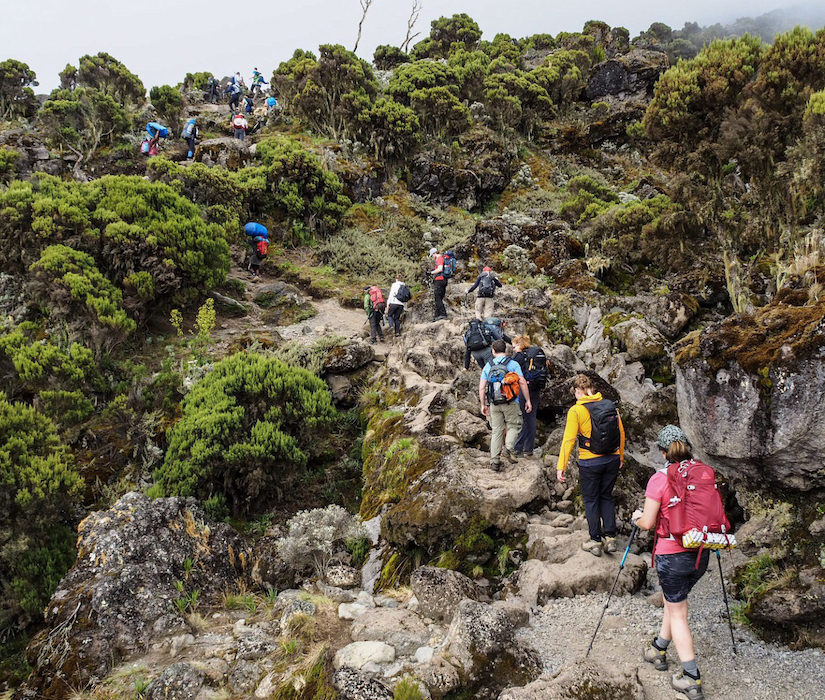
Heath Zone
As you climb higher, the lush rainforest gives way to the Heath Zone. Here, the landscape is dotted with giant heather shrubs, and you’ll come across some truly unique flowers.
The vegetation starts to thin out, but it still holds onto a certain rugged beauty of its own caliber.
Moorland Zone
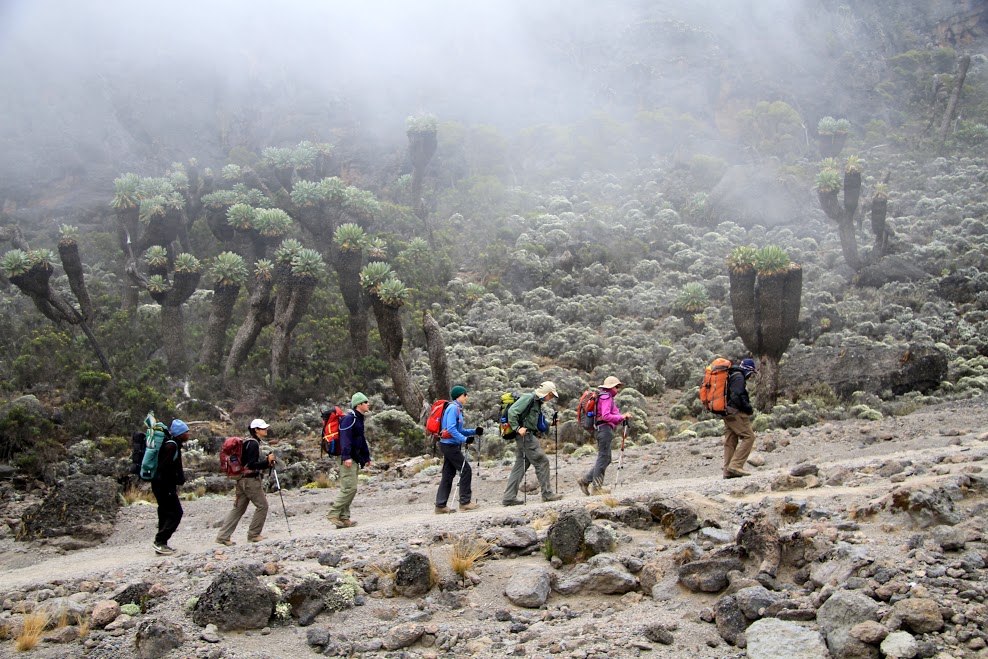
This is where things start to feel more surreal. Vegetation becomes sparse, but you’ll encounter the bizarre and towering Giant Senecios, or Dendrosenecio Kilimanjari, found only on Mount Kilimanjaro.
These alien-like trees are a reminder that you’re venturing into a unique and rare ecosystem of the African continent.
Alpine Desert Zone
The air grows thinner and the landscape more barren as you enter the Alpine Desert.
Little grows here, and the temperature can swing drastically between day and night, adding to the challenge of the climb. It’s a desolate, stark beauty that contrasts sharply with the lower zones.
Arctic Zone
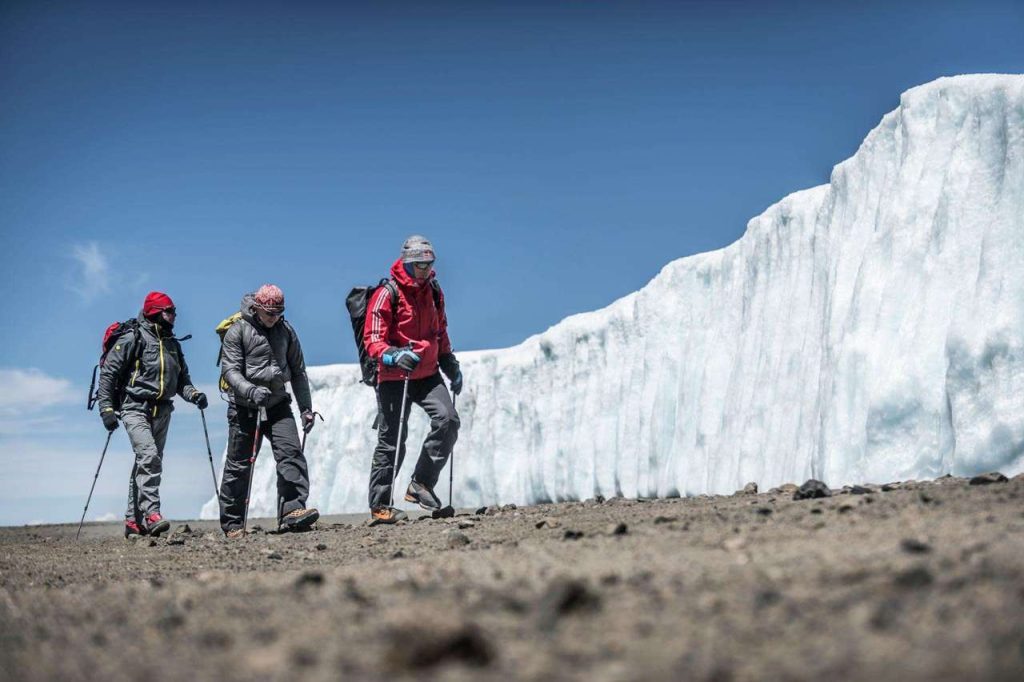
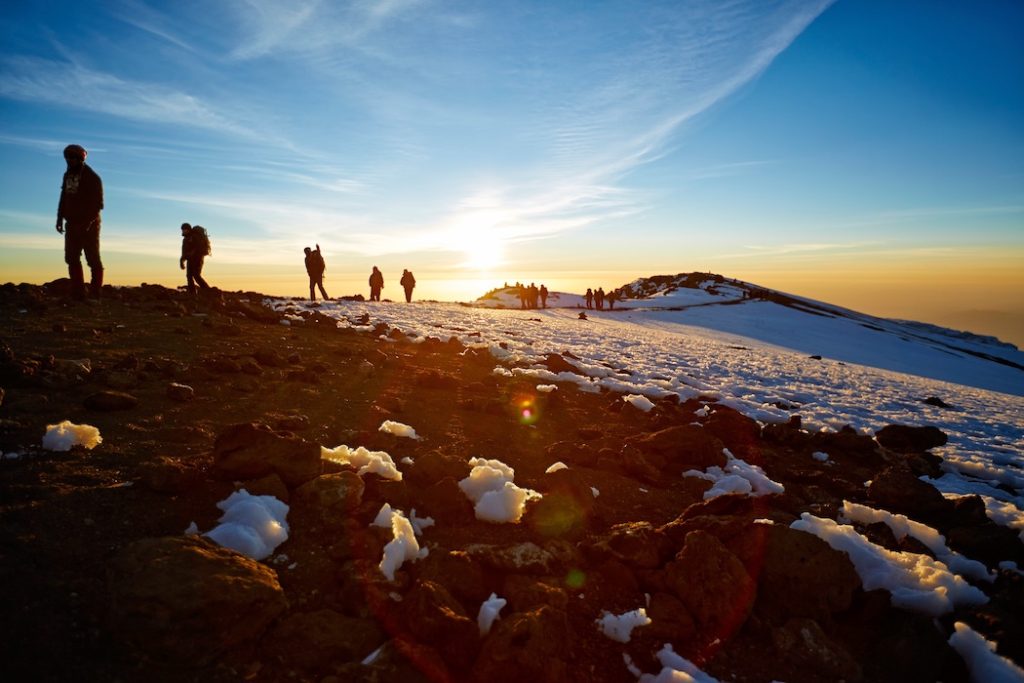
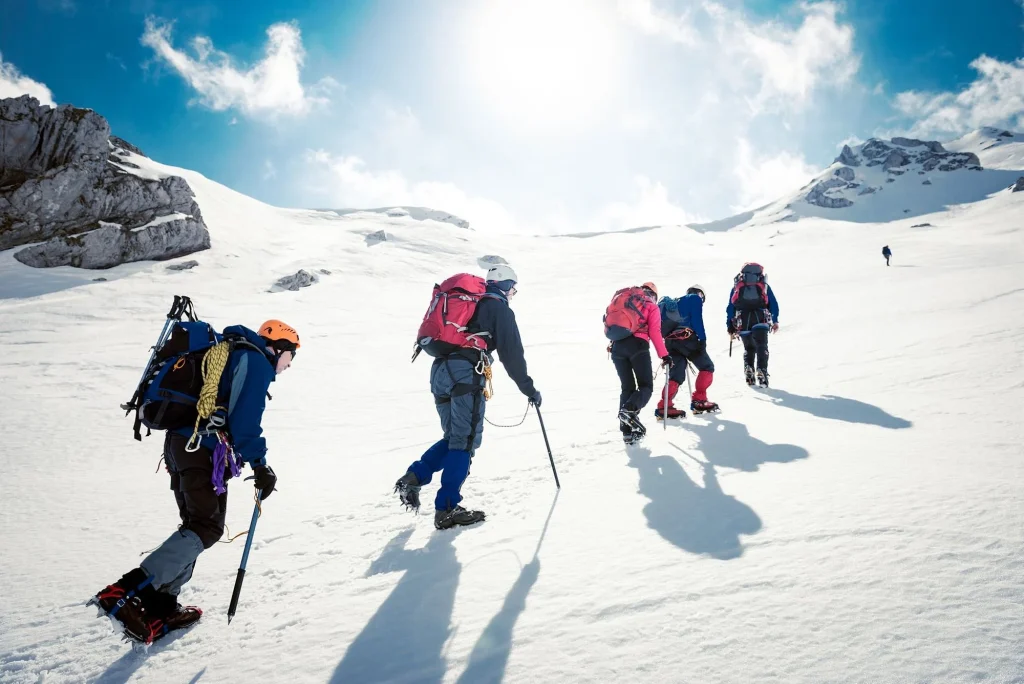
The Arctic Zone takes hold near the Kilimanjaro summit, Uhuru Peak. This is a world of ice and rock, and temperatures plummet and the air become thin.
It’s the final push toward the Roof of Africa, where only the fittest can endure the harsh conditions – and by that we mean, you!
The Barranco Wall
The Barranco Wall on Kilimanjaro stands at about 843 feet and is often seen as one of the most intimidating parts of the trek. This near-vertical section tends to make trekkers a bit nervous, especially when they first lay eyes on it. This experience is known for a famous move called “Kissing the Wall,” where climbers walk through a narrow ledge while leaning close to the rock face.
While it might seem daunting, the walk is straightforward and adds an exciting challenge to the whole experience. Reaching the top is an achievement that fills you with both relief and pride.