
NGORONGORO CRATER
The world’s largest unbroken caldera and home to the African BIG FIVE
Magnificent, marvelous, jaw-dropping – however you describe it, the Ngorongoro Crater lives up to every superlative
Ngorongoro Crater is a primeval African Eden par excellence, fully deserving its status as a UNESCO World Heritage Site. One of the largest unbroken volcanic calderas in the world, with steep walls soaring 610 meters high, and spanning an area of 19km wide and with a surface of 264 -km -sq, the Ngorongoro Crater forms a natural amphitheater where a remarkable wildlife spectacle unfolds.
Home to 25,000 wild animals and the best destination to spot the Big Five; elephants, lions, buffaloes, rhinoceroses, and leopards within the same setting, as well as over 500 bird species living in the crater, the Ngorongoro crater is one of the most densely populated conservation areas in Africa, making it a must-visit destination on your bucket list. Moreover. The diverse habitats within the crater create a vibrant paraphernalia of life, from the lush grasslands to the stark salt flats.
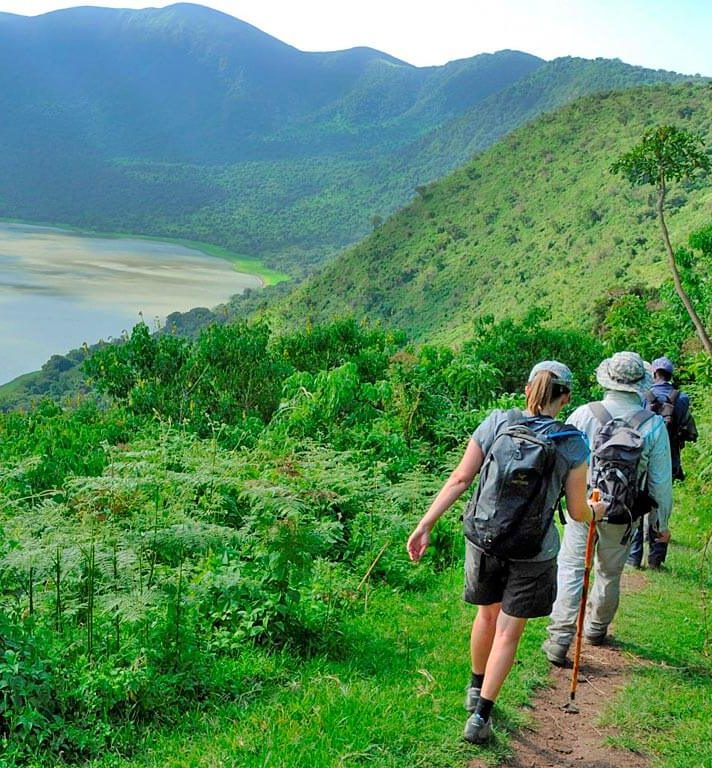
Guided Highland Nature Walk
One of the most captivating ways to explore the chaotic beauty of the Crater Highlands is on foot. Led by an armed park ranger, this activity, which only lasts between two- to three-hours, allows you to discover Ngorongoro’s hidden corners in a more intimate way.
This is rather a moderate hike, and a perfect escape into the wild and can start from either the Ngorongoro Crater or Karatu. Don’t miss out the chance to explore the fascinating elephant caves, all while accompanied by your personal safari driver-guide for a truly immersive adventure.
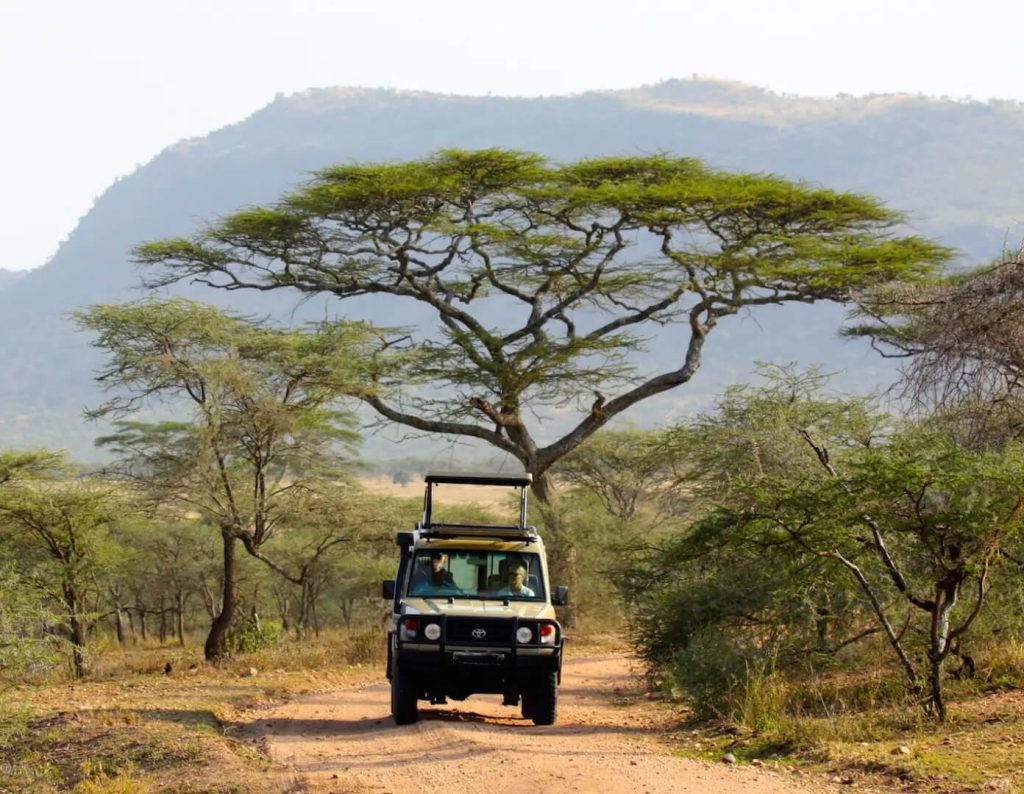
Game Drives
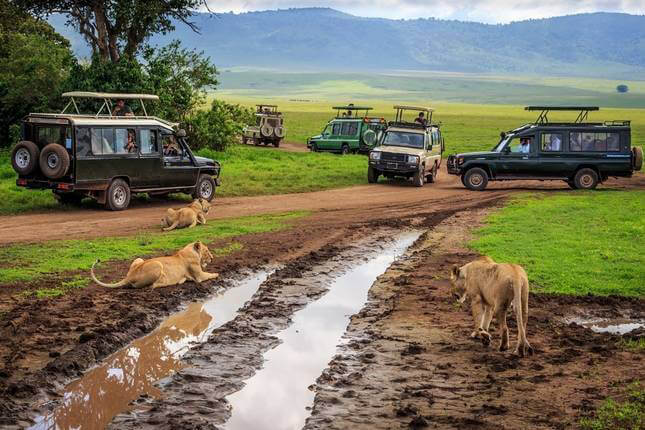
A game drive on the Ngorongoro Crater floor is a must-do activity on your bucket list. This experience is a step into nature’s purity and magnificence. For years, this mesmerizing activity has continued to captivate outdoor enthusiasts with its peculiar experience, offering a truly unique adventure that stands out among the best African safaris.
Unlike other popular destinations like Serengeti, Tarangire, and Lake Manyara, game drives in the Crater are permitted for a limited time of six to eight hours, so arriving early ensures you make the most of this unique experience.
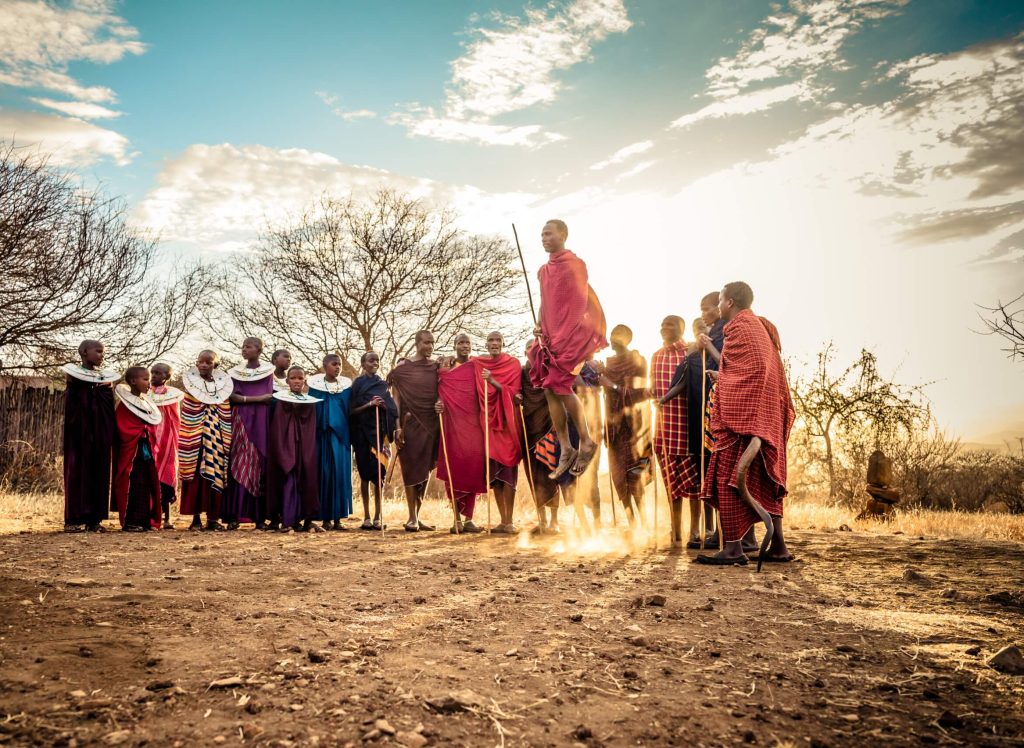
A Cultural Tour to a Maasai Boma
This tour is a perfect supplement to your Ngorongoro adventure or while on your way to or from Serengeti, offering a first-hand glimpse into a lifestyle that has remained unchanged for generations. The Maasai people are pioneers in preserving centuries of traditions, values, and rituals that have withstood the test of time. Well known for their rich cultural heritage, distinctive dresses, and pastoral lifestyle centered on livestock herding, the Maasai are true pioneers of preserving their ancestral ways.
During your visit to a traditional Maasai manyatta, you’ll be welcomed with a vibrant dance performed by Maasai morans (warriors) and girls, and the community will be happy to show you around their homestead, where you can observe how the women construct their houses using animal dung and mud. As stewards of their land and culture, the Maasai offer an experience like no other. Just remember, though you are a guest, it’s always courteous to ask before taking photos of individuals.
popular activities around NGORONGORO CONSERVATION AREA
Must-Visit Hotspots In Ngorongoro
THE OLDUVAI GORGE
The Olduvai Gorge, often referred to as Oldupai (from the Maasai word for “the place of the wild sisal”), is a must-visit hotspot on your bucket list. Located within the Ngorongoro Conservation Area, this steep-sided ravine in the Great Rift Valley stretches 48 kilometers across the eastern Serengeti Plains, and is known as the cradle of humankind. It holds immense significance in the study of early human evolution, as this is where Dr. Mary and Louis Leakey excavated some of the most important archaeological artifacts.
Roughly 45 kilometers from Laetoli, another key site of early human occupation, Olduvai Gorge serves as a convergence point for understanding our ancient ancestors. Visitors can explore the Olduvai Gorge monument and museum, where fascinating exhibits reveal the deep history hidden beneath the earth. Learn as you delve into millions of years of history, exploring one of the world’s most vital archaeological treasures.
Ngorongoro Cultural Experience
THE MOST FAMOUS ETHNIC GROUPS WORTH VISITING
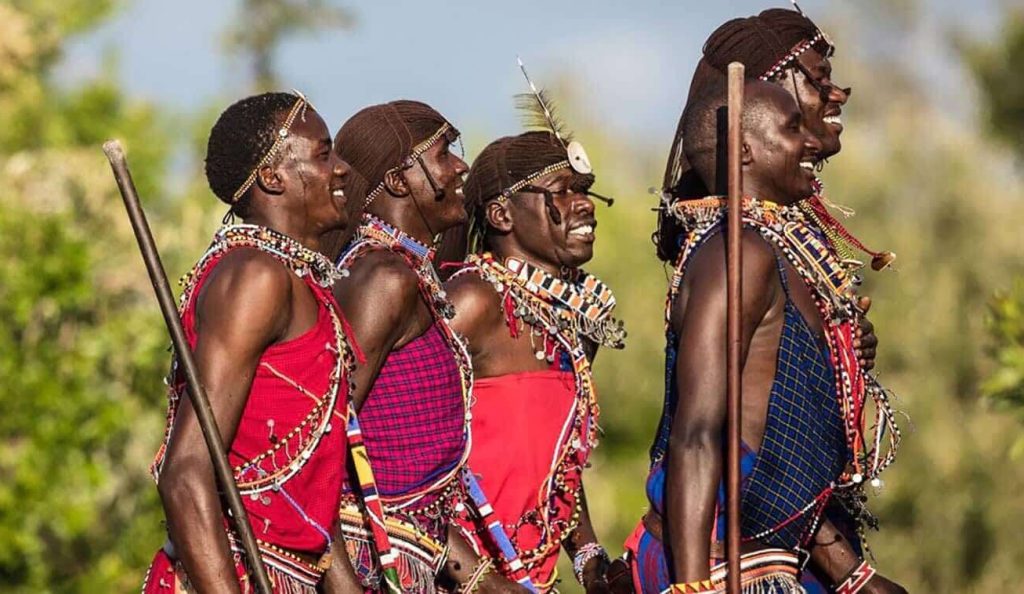
The Maasai
Visiting the Maasai offers a glimpse into a vibrant culture steeped in tradition. The Maasai, originally from the Nile region, are known for their colorful shúkàs and intricate adornments which greatly reflect their rich heritage. Women skillfully craft the unique circular or loaf-shaped homes using mud and animal dung, demonstrating their vital role in Maasai life.
With a deep connection to their spiritual beliefs, the Maasai value their traditional customs and the domestic animals they keep. Witnessing the warmth of their community and the richness of their culture firsthand offers unique and fascinating insights that leave a lasting impression.
The Hadzabe
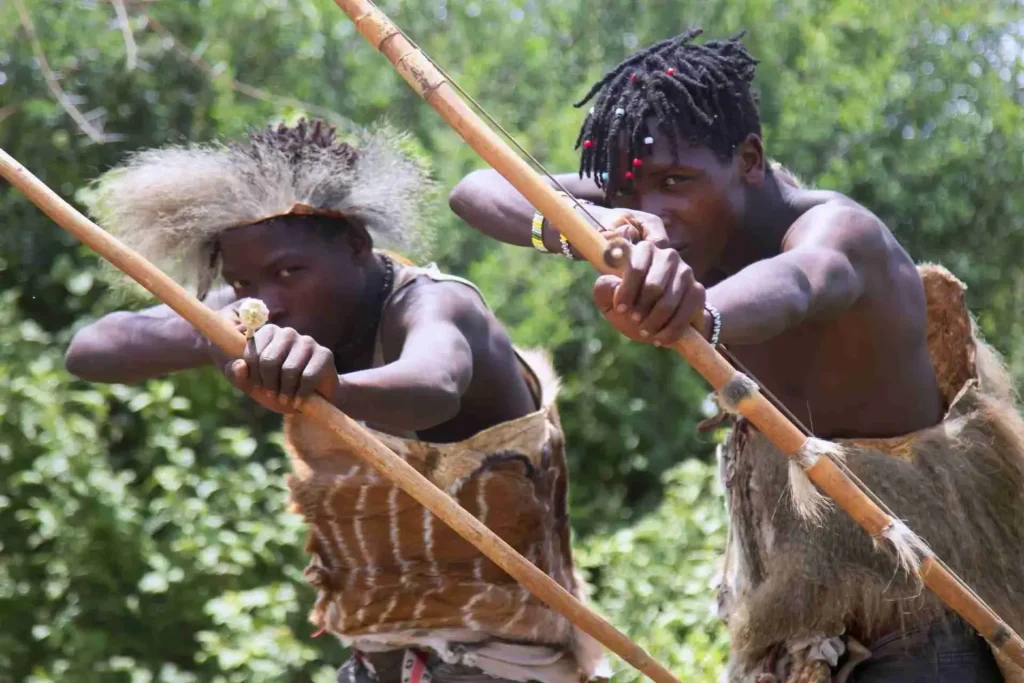
The Hadzabe, also known as Hadza, are among the last true hunter-gatherers in the world. Their lives, deeply rooted in harmony with nature, offer a glimpse into a world far removed from modern life’s daily grind. With warmth and a friendly spirit, they invite you into their world, showing you how they hunt, shoot arrows, and forage – skills passed down through countless generations.
Though they’ve called the Lake Eyasi region home for centuries, the Hadza have lost nearly 90% of their hunting ground in the past 50 years, with neighboring tribes clearing land for crops and livestock. This not only makes your visiting a cultural experience but also a chance to support the preservation of their unique heritage. Your time with the Hadzabe will leave you with a profound appreciation for a simpler, stress-free way of life, and a perspective on what truly matters – community, tradition, and living in harmony with the world around us.
The Datoga
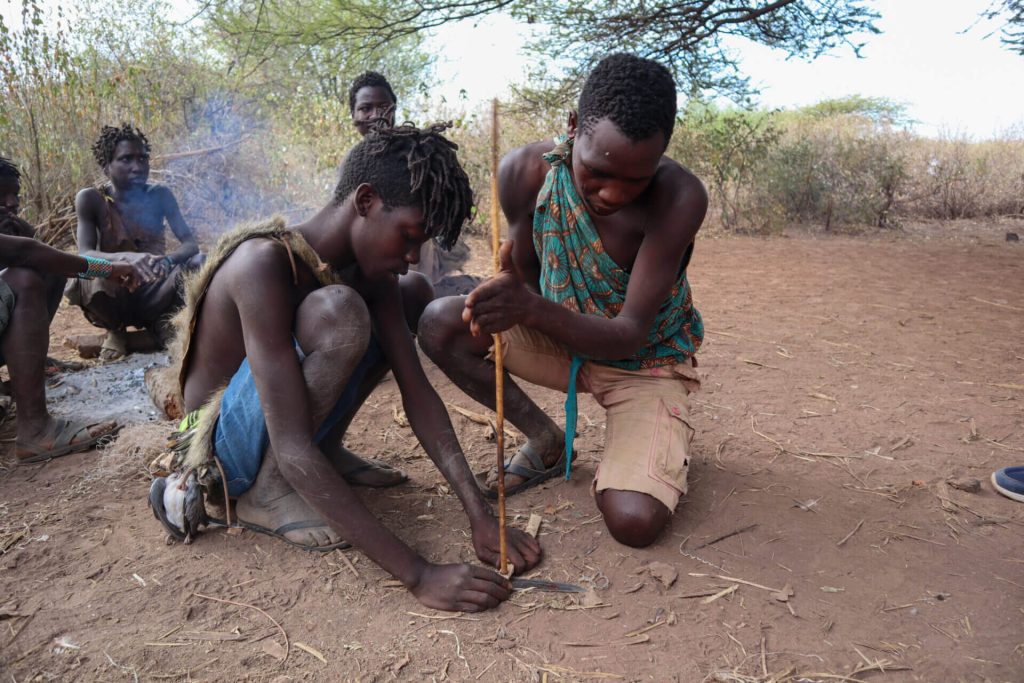
The Datoga – a community of pastoralists and blacksmiths near Lake Eyasi, trace their roots back to the Nile. Like the Maasai, their homes are built from wooden poles, mud, and topped with plants like aloe. In this society, polygamy is common, and women play a key role in crafting intricate clothes and jewelry from animal skins, embellished with vibrant beadwork.
Divided into two distinct groups, the Datoga pastoralists tend to cattle, goats, and sheep, while the blacksmiths are known for producing intricately designed arrows, knives, and spears. Despite their vital role within the tribe, the blacksmiths are viewed as a lower social class due to their lack of livestock. Intermarriage between the two groups is strictly prohibited. Spirituality also plays a significant role in their lives, with animistic beliefs guiding them to worship at sacred sites in times of need, including ancient graves and a revered fig tree within the Ngorongoro Crater.
Best Time to Visit Ngorongoro
Dry Season (June to October)
This is generally regarded as the prime time to visit Ngorongoro Crater. With dry, sunny weather, wildlife viewing becomes more effortless as animals gather around water sources. Minimal rainfalls can be expected during these months, though mornings and evenings tend to be chilly. January and February stand out as the driest and hottest months, with clear skies enhancing visibility and creating ideal conditions for photography.
Green Season (November to May)
This period includes the short rains (November to early December) and long rains (March to May). The landscape is lush and green, which can be beautiful, but wildlife can be more dispersed due to the abundance of food and water. Unlike other national parks, roads can be muddy on the crater but definitely accessible.
This is also considered the perfect season for birdwatching and seeing the caldera’s vibrant vegetation.Overall, game-viewing drives in the Ngorongoro Crater are rewarding year-round, while the green season provides a lush, vibrant landscape and a quieter, less crowded experience.
The Ngorongoro Crater View Point is an elevated vantage point which serves as a portal to a sublime panorama of the crater below – a breathtaking prelude to the adventures awaiting you. Whether right before you plunge into the crater or while en route to Serengeti National Park, spending a few minutes at this mesmerizing spot allows you to appreciate the very essence of the Ngorongoro crater.
The Ngorongoro Crater View Point
Locating the Ngorongoro Crater
Ngorongoro Crater sits 60km (37 miles) northwest of Lake Manyara, 170km (105 miles) west of Arusha, and 145km (90 miles) southeast of the Serengeti. This central positioning makes it a key hub in Tanzania’s northern safari circuit.
accommodation options
AROUND NGORONGORO
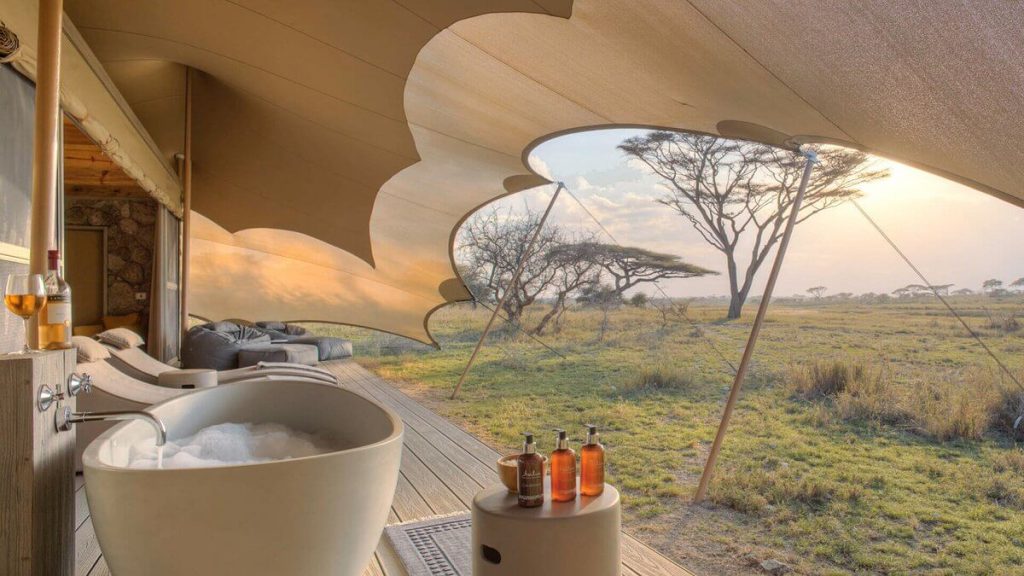
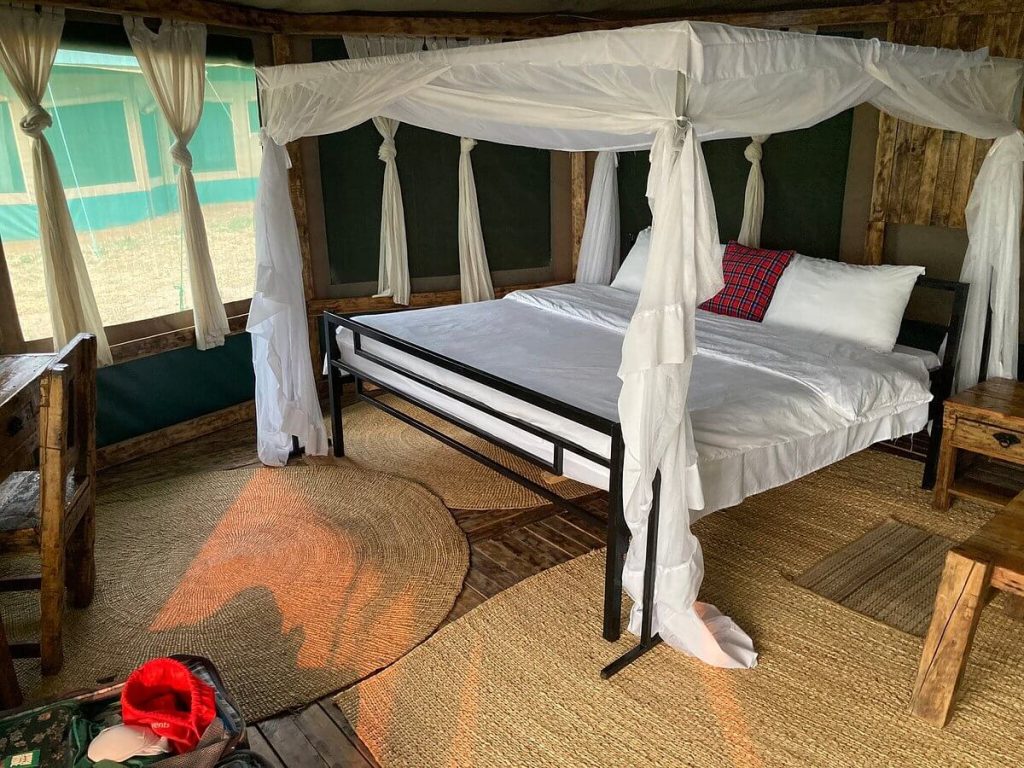
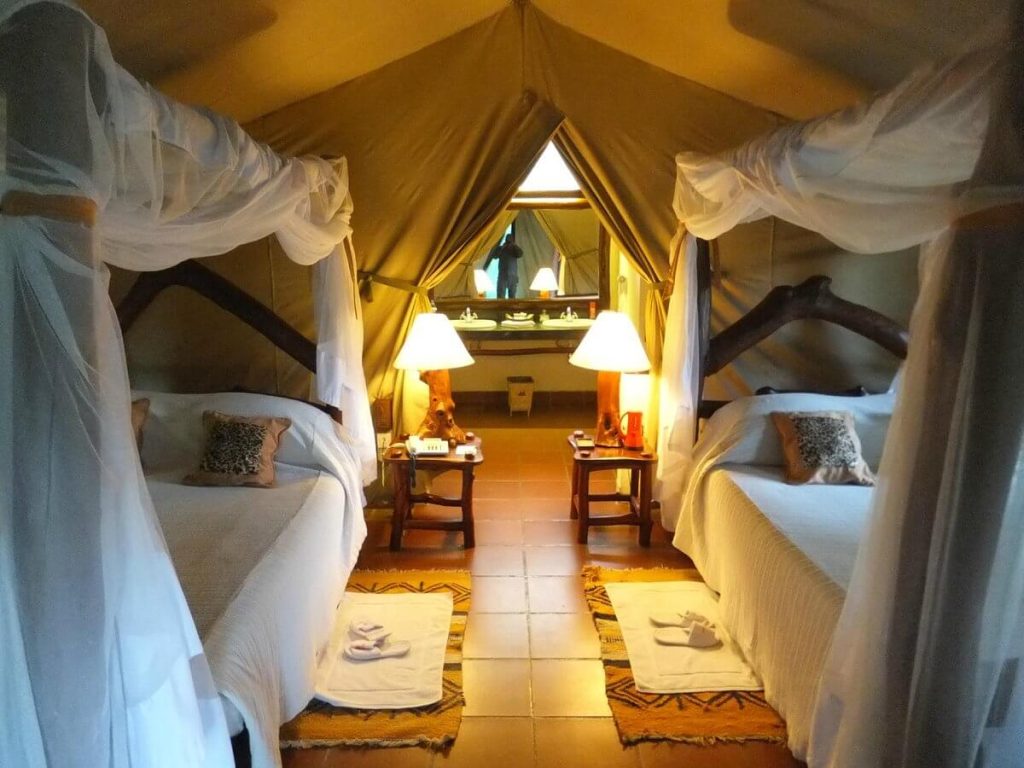
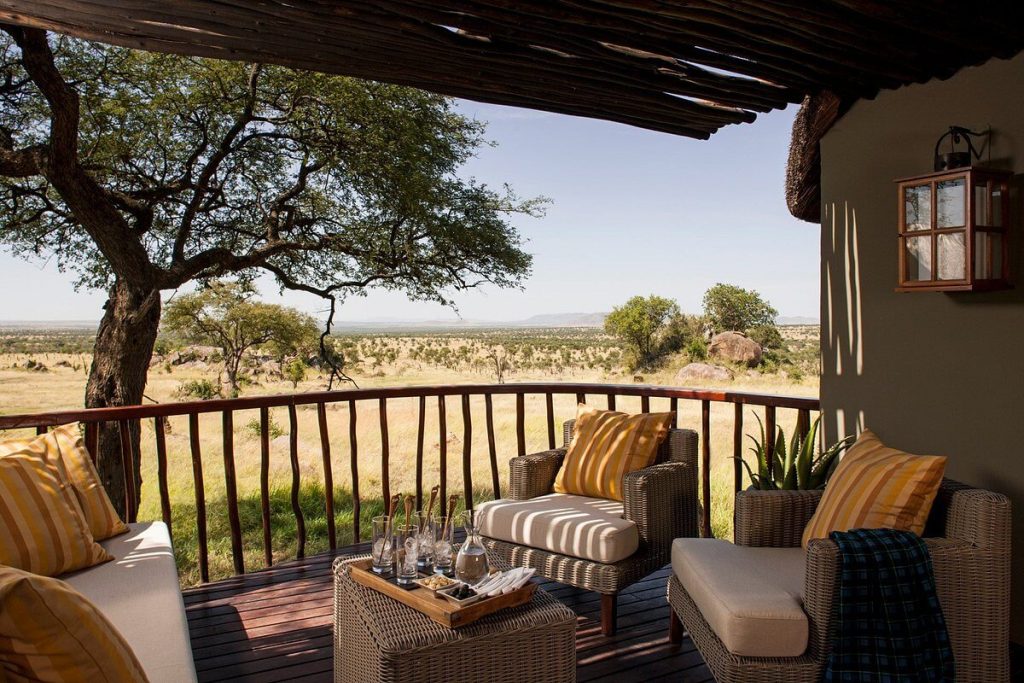
Tented Camps
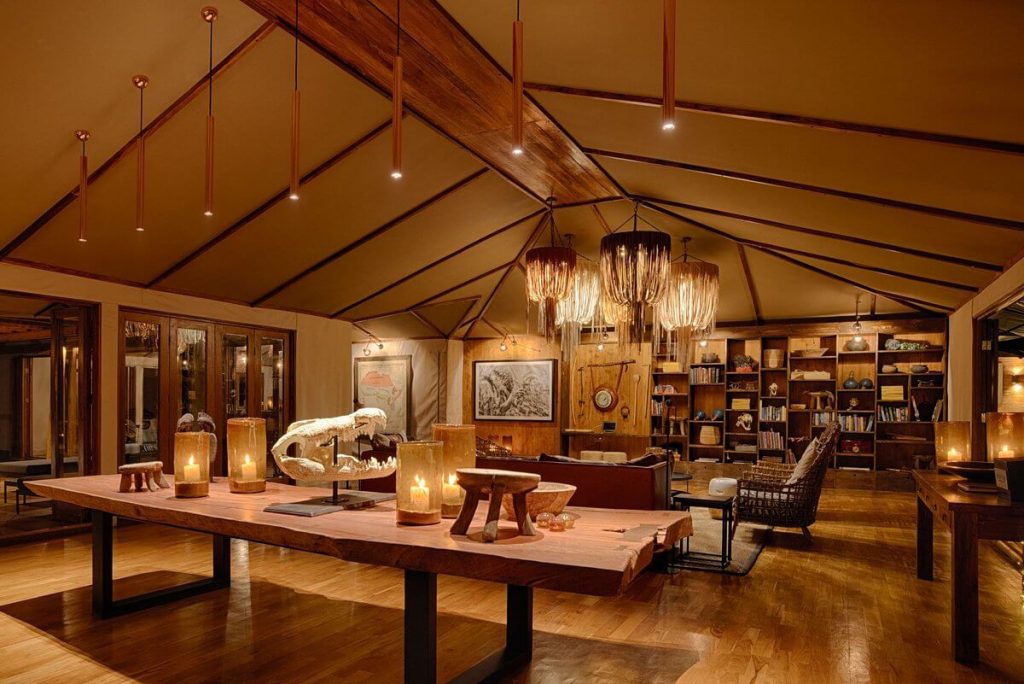
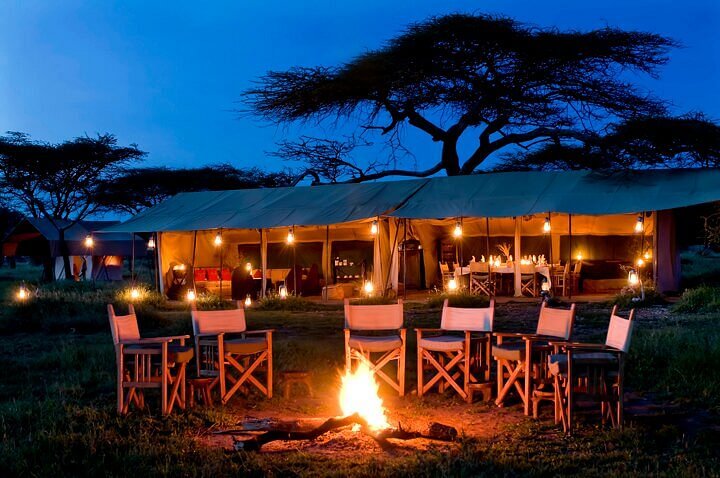
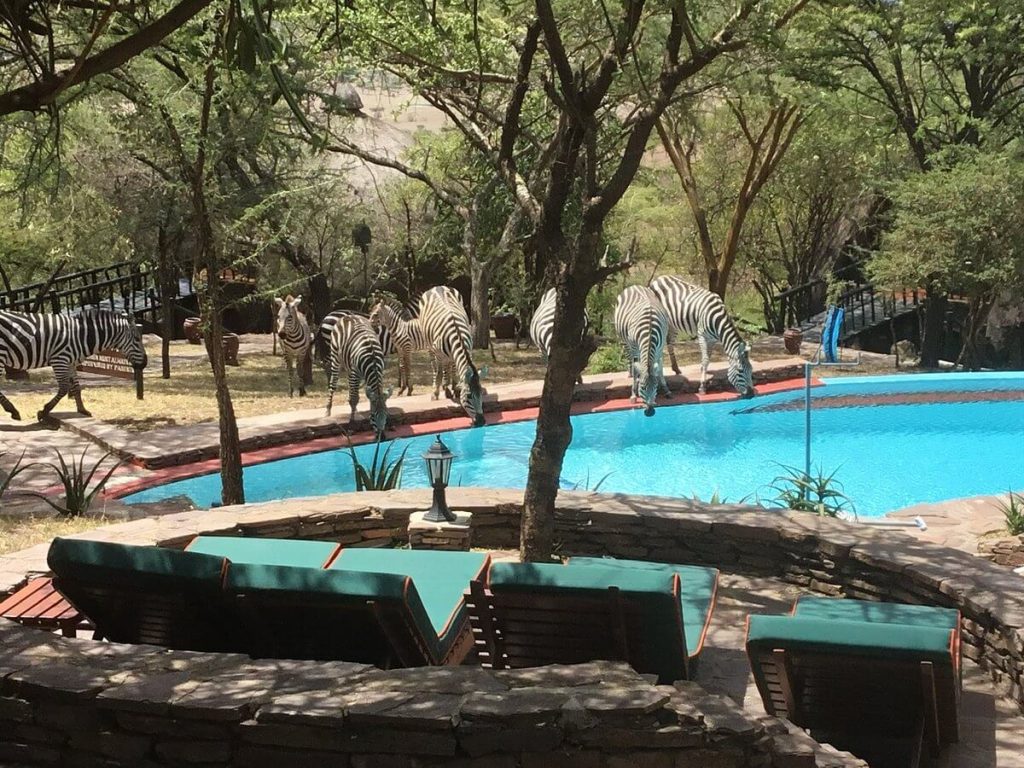
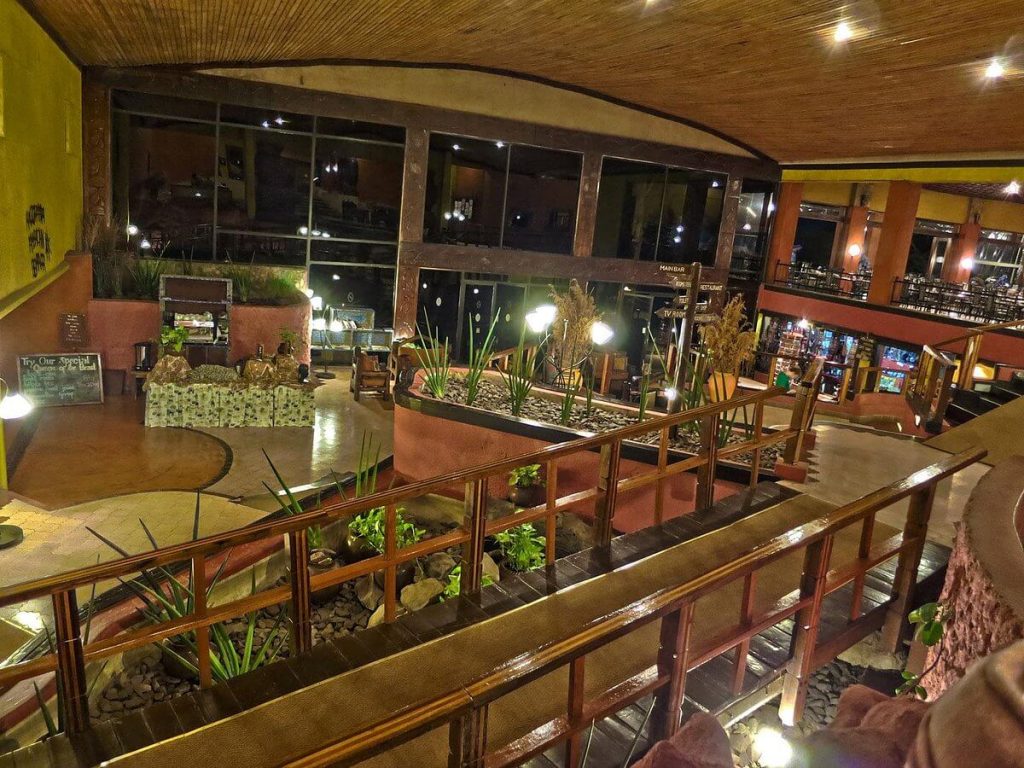
Lodges
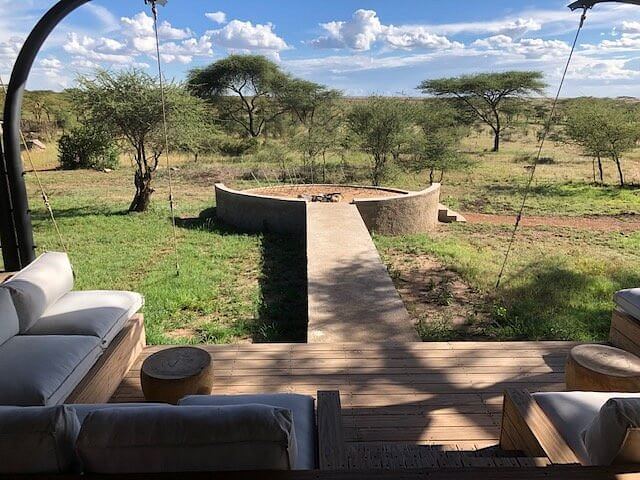
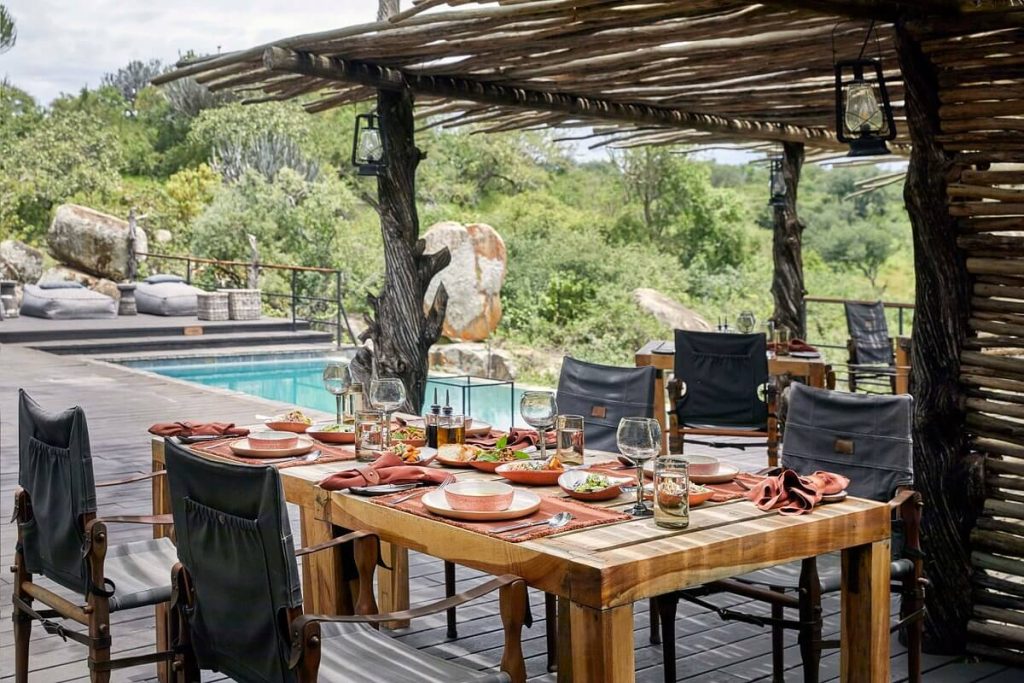
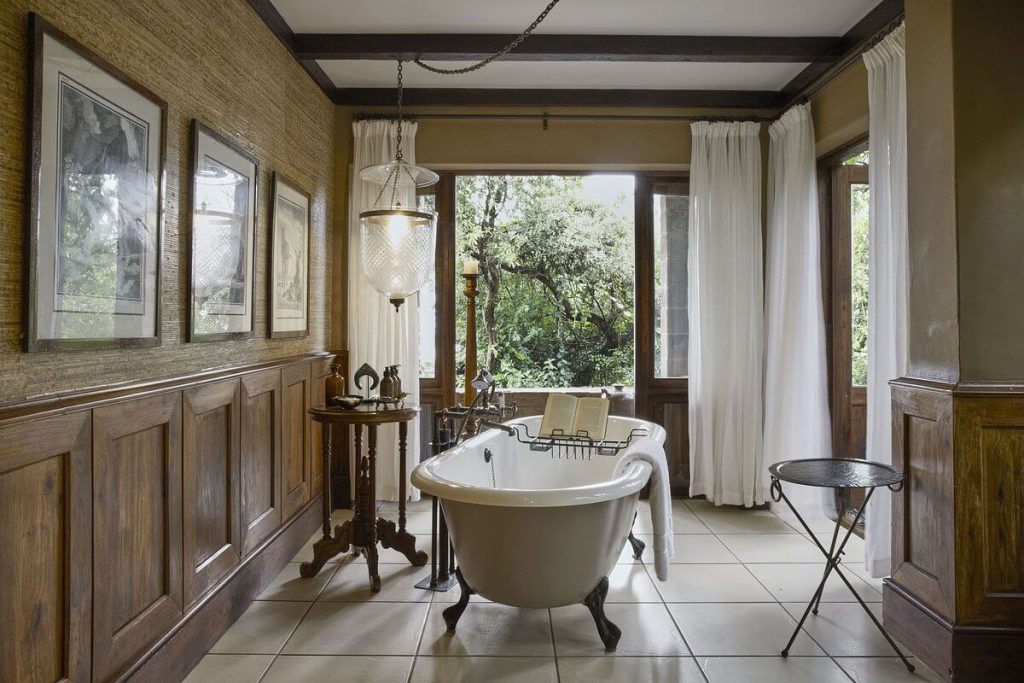
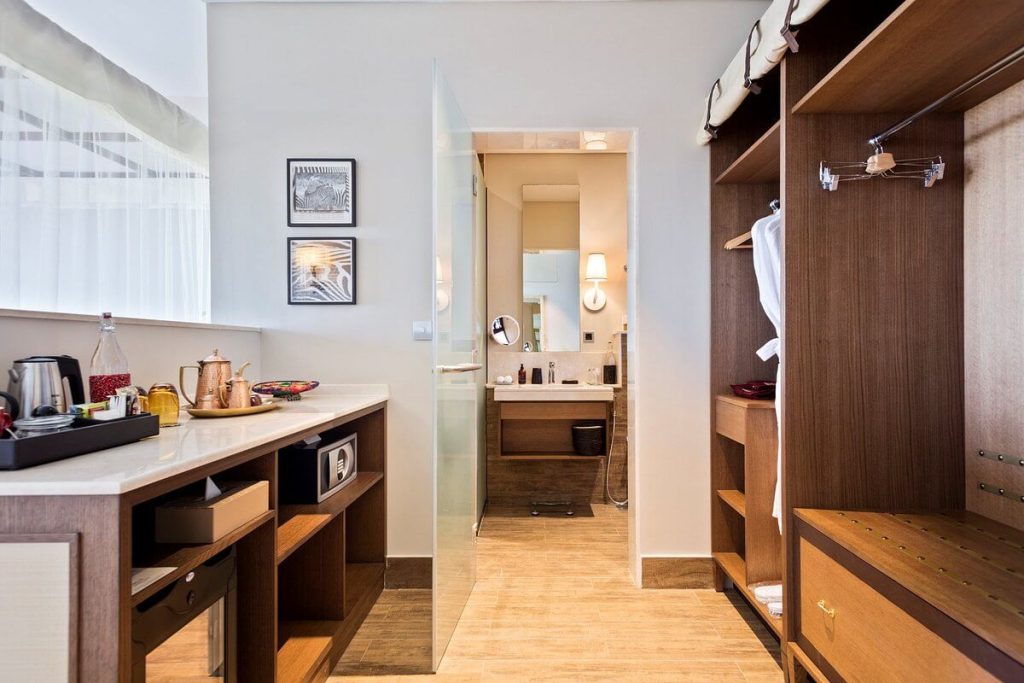
Hotels
High-End Luxury Hotels
TANZANIA TRAVEL GUIDE
- Tanzania Travel Visa
- Things to Do in Tanzania
- Things to Do in Zanzibar
- What to carry on safari
- Tanzania Travel Insurance
- Tanzania Safari Cost
- When to Visit Tanzania
- Beach Holiday
- General Tanzania Travel Guide
- Before, During & AFer your Tanzanian Safari
- Tanzania Safari Packages
- Tanzania FAQs
POPULAR SAFARI ACTIVITIES
- The Great Wildebeest Migration
- Serengeti Hot-air Balloon Experience
- Luxury Tanzania Safari
- Family on a nature-based Safari
- Tanzania Honeymoon Safari
- Tanzania Solo Safaris
- Short & Unforgetable Tours
- Cultural Safari Experience
- Camping in Tanzania
- Night Game Drives in Tanzania
- Small Group Safaris in Tanzania
- Tanzania Best Combo Packages
THE COMPANY
- Our Story
- Women Drivers at Zoe
- Our Safari Vehicle Fleet
- Meet the Zoe Guides
- Michael, Samuel, & the Dream
- Zoe Philanthropic Programs



- ZOE EXPEDITIONS CO. LTD
- P.O. Box 12168
- ARUSHA, TANZANIA
Make Online Payments Safely & Easily
WE ACCEPT

KILIMANJARO GUIDE
- Kilimanjaro Packing List
- Kilimanjaro Weather
- General Kilimanjaro Trekking Guide
- Kilimanjaro Porters
- Preparing for your Kilimanjaro Trek
- Health Information on Kilimanjaro
- Best Time to Trek Mount Kilimanjaro
- Tipping on Kilimanjaro
- Budget Vs. Luxury Kilimanjaro Climb
- Women on Kilimanjaro
- Kilimanjaro Altitude Sickness
- Kilimanjaro Trekking Guide
- Kilimanjaro Full Moon Climbs
- Kilimanjaro FAQs
KILIMANJARO GUIDE
- Accommodations in Tanzania
- Private Tours
- Tailor-made Safaris
- Travel Tips & Advice
- Volunteering in Tanzania
- Travel Responsibly

© Copyright 2025 – All Rights Reserved – Zoe Expeditions
- Terms and Conditions
- Privacy policy
- Payment Method
- Understand Safari Pricing
