Skip to content

+255 785 738 788
info@zoeexpeditions.com

Destinations

Destination

MIKUMI NATIONAL PARK

About this Tour

Mikumi national park is Tanzania’s fifth-biggest national park. It’s additionally the most open from Dar es Salaam. With confirmed wild life sightings, it makes a perfect safari goal for those who are busy and have less time to travel, two days or more can get you an opportunity to explore the splendor of Mikumi national park.

WILDLIFE

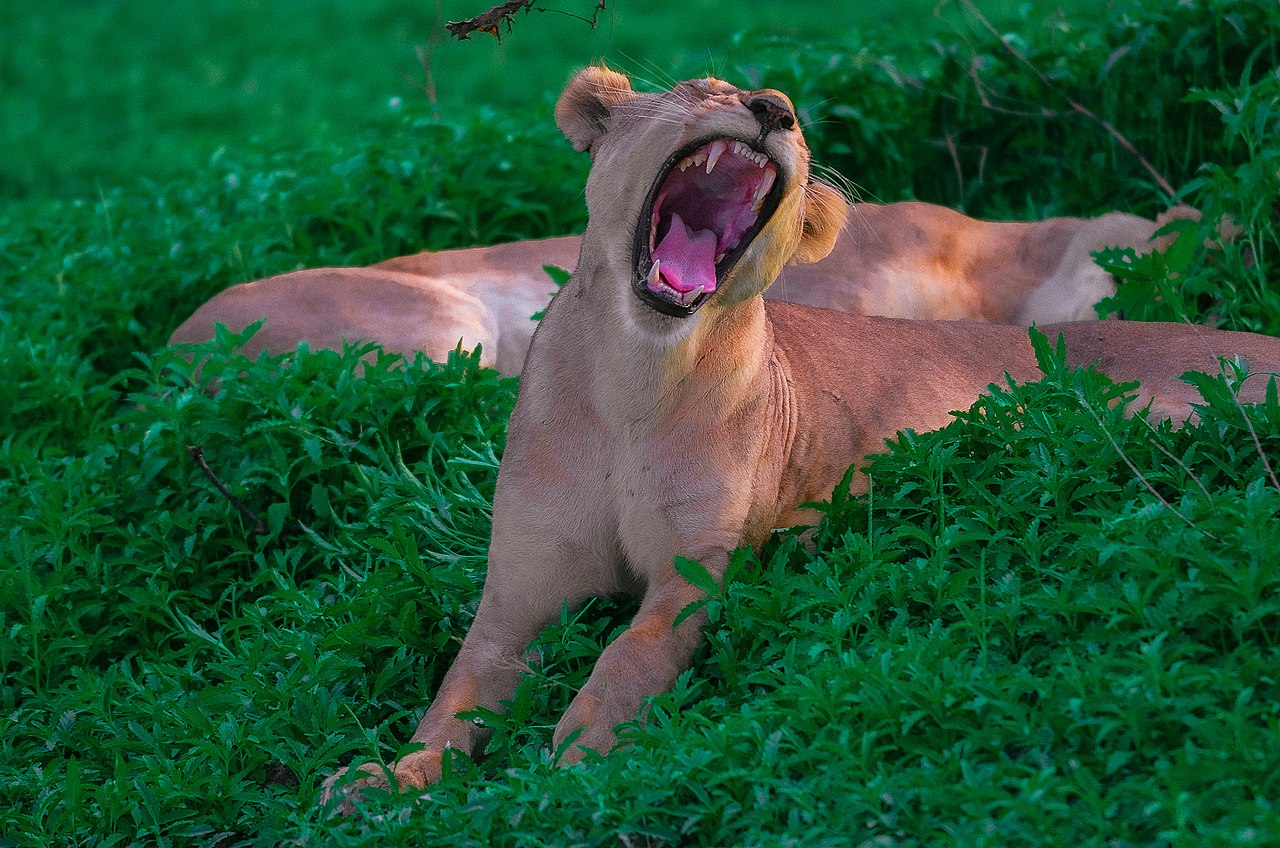
Nicknamed as little Serengeti national park is Mikumi national park, its rich with a wide range of wildlife. The park hosts large number of the big game that covers four members of African big five only missing Rhinos. Mikumi is a home of large herds of Elephants, Buffaloes, Zebras, wildebeest, hyenas, Leopards, Lions, Sable Antelopes, Great Kudu, and many more. The chances of seeing tree climbing lions in Mikumi national park are higher than in the famous tree climbing lions’ home that is Lake Manyara national park.

BIRD SPECIES

Birds is one of the key Attractions in Mikumi national park, the park has over 400 bird species with both permanent habitats and migratory birds. This large number of birds has made the park one of the birding destinations in the Southern part of Tanzania. The long lists of birds can be achieved with patient Mikumi national park safaris that last beyond 3 days. However much the size of the park is not all that very big but the diversity of the ecosystem and the vegetation has attracted different bird species. The most sighted birds are: Black billied bustard, Secretary bird, Guinea fowl, Ox peckers, Bateleur eagles, cattle egret.

MOUNTAINS

Mikumi national park is situated in the middle of mountains hence making mountains some of the key Attractions in Mikumi national park. The scenic views of the mountains that have unique formation system attracts more guests especially writers, photographers and researchers to the park. The most common and famous mountains are Uluguru mountains that every guest wants to try to hike during their safari to Mikumi national park.

Other mountains around the park include: Udzugwa Mountains, Malundwe Mountains which is the largest and the highest mountain. It’s found in the center of the national park connecting Uluguru mountains with Udzungwa mountains and Uvidunda.  Malundwe Mountains is consisting of three peaks with the highest peak found on the Southern part reaching up to 1290 meters.

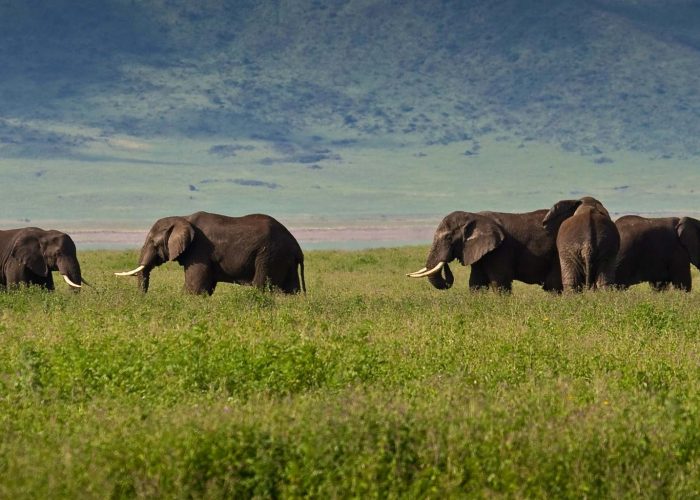
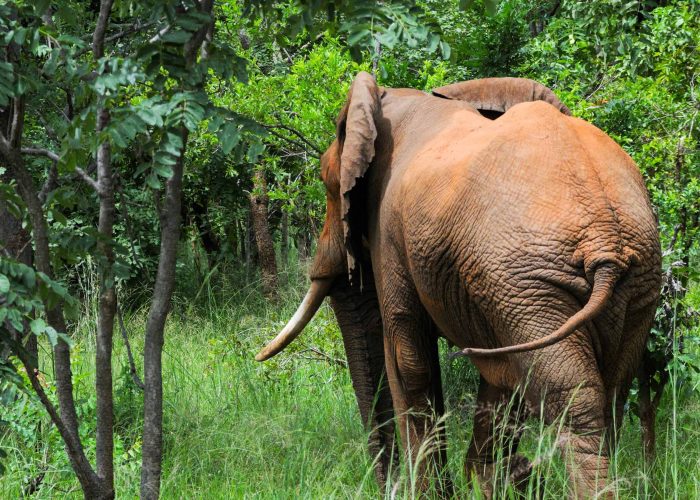
Elephant walking away. Mikumi National Park, Tanzania
Mikumi National Park2

Enquire this Tour

Destination

RUAHA NATIONAL PARK

About this Tour

Ruaha national park is one of the few Tanzania’s famous wilderness area where one can have a rare experience of game viewing spiced up by the fascinating landscape. The park is rich of plants and animals such as Greater Kudu (Tragelaphus strepsiceros) which cannot be found in any other national park. The park boasts of her almost untouched and unexplored ecosystem, making visitors’ safari experience very unique.

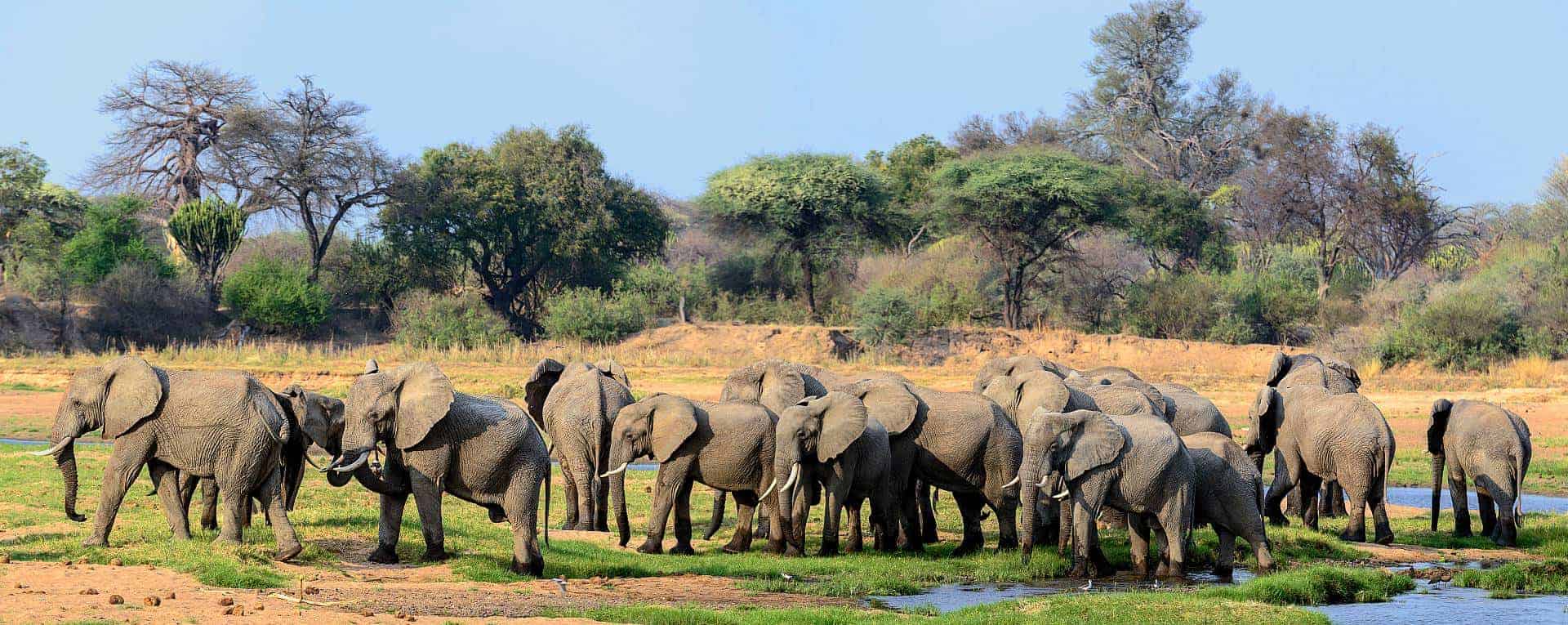
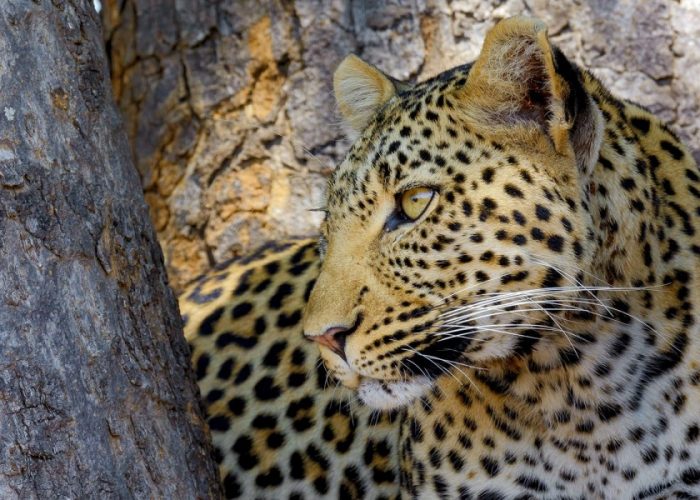
Ruaha is believed to have high concentration of elephants than any national park in East Africa. It is also a place where, magnificent mammals like Kudu (both Greater and Lesser), Sable and Roan antelopes can easily be spotted in Miombo woodland. The park is also a habitat for endangered wild dogs. Other animals in the park include lions, leopards, cheetah, giraffes, zebras, elands, impala, bat eared foxes and Jackals.

The park is one of the Tanzania birds’ paradise with more than 571 species and some of them are known to be migrants from within and outside Africa. Migrating species from Europe, Asia, Australian rim and Madagascar have been recorded in the park. Species of interest in the park include Ruaha red-billed hornbill (Tokus ruahae) which is dominant in the area.

The Great Ruaha River save as the life line of the park. During dry season, the river become mostly the main source of water for wildlife. There are few natural springs saving the same purpose. In the pick of dry season, elephants obtain water from dry sand rivers using their front feet and trunks. The remaining water falls along the Great Ruaha River are also important habitat for hippopotamus, fish and crocodiles.

Ruaha National Park1
Ruaha National Park2

Destination

KATAVI NATIONAL PARK

About this Tour

Explore and discover the true wilderness of Katavi National Park!

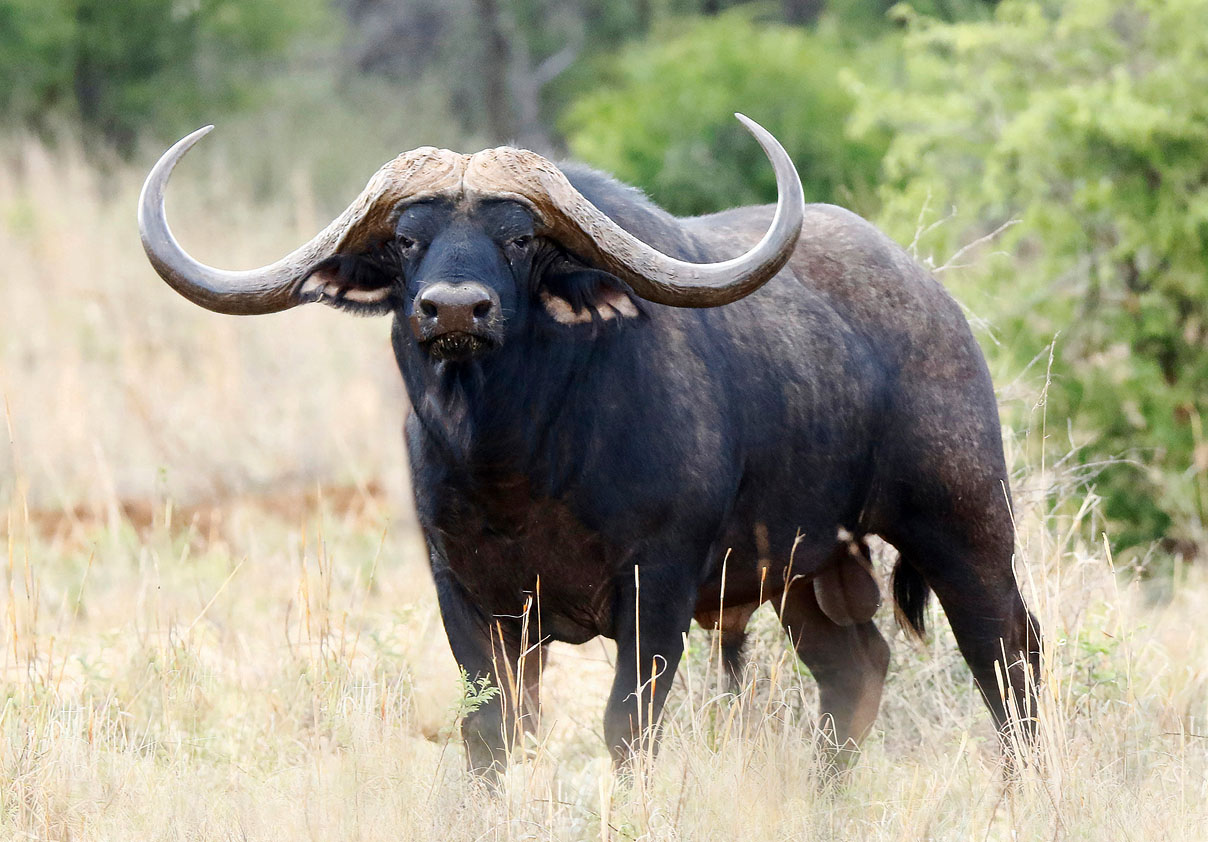
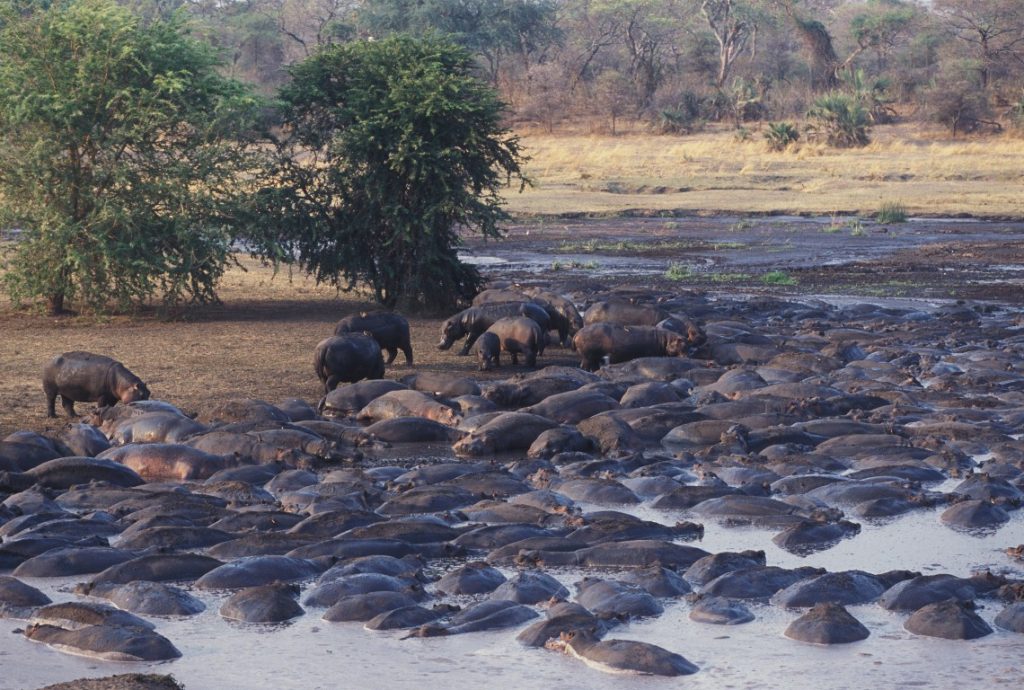
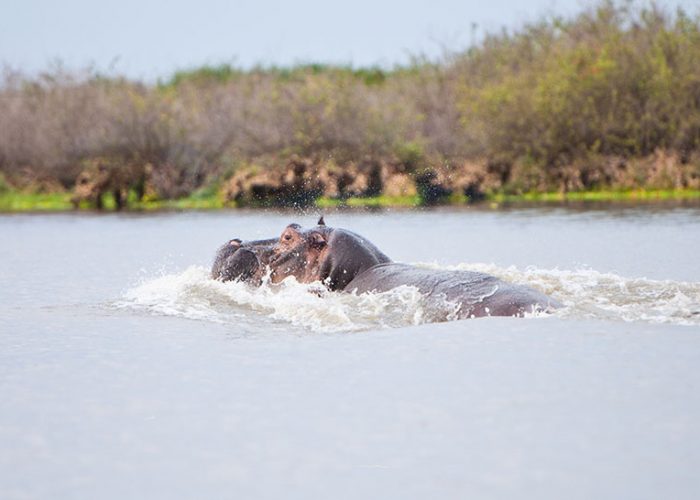
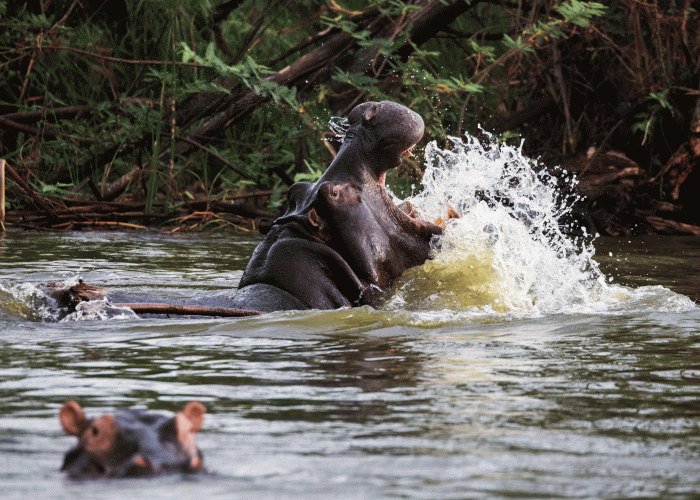
Hippos in Katavi provide the most singular wildlife spectacle! Towards the end of the dry season, up to 200 hundred individuals might flop together in any riverine pool of sufficient depth. The Park offers wildlife in abundance and it has one of Tanzania’s greatest concentrations of buffalo, elephants and hippopotamus.

It was established in 1974 and is one of the most remote, vast, natural and pristine parks in Africa. The park also rich in plant and wildlife nature resources. Scenery in the Park varies from seasonally inundated grassland plains in the shallow basins to the steep escarpments of the rift valley.

The vegetation is a mosaic of closed to open woodlands, scrublands, grasslands, swamps, seasonal lakes and riverine vegetation. The main focus for game viewing within the park is the Katuma River and associated floodplains such as the seasonal Lakes Katavi and Chada where most animals congregate.

An estimated 4,000 elephants might converge on the area, together with several herds of 1,000-plus buffalo, while an abundance of giraffes, zebras, impalas and reedbucks provide easy pickings for the numerous lion prides and spotted hyena clans whose territories converge on the floodplains.

WHAT TO DO?

Walking, driving and camping safaris. Near Lake Katavi, visit the tamarind tree inhabited by the spirit of the legendary hunter Katabi (for whom the park is named) – Offerings are still left here by locals seeking the spirit’s blessing.

HOW DO YOU GET TO KATAVI NATIONAL PARK?

The best way to get to Katavi is by a flight from Arusha. The only public, scheduled flight is the twice-weekly service between Ruaha, Katavi and Mahale National Parks operated by Safari Air Link.

Katavi National Park1
Katavi National Park3

Destination

Nyerere National Park

About this Tour

Now the Largest National Park in Africa, Nyerere National Park is a newly established Park which is part of what is known as Selous Game Reserve. The name of the Park is given in honor of the founder of the Nation, the Late Mwalimu Julius Kambarage Nyerere. The Park has been established in year 2019 and cover an area of over 30,000 square kilometers.

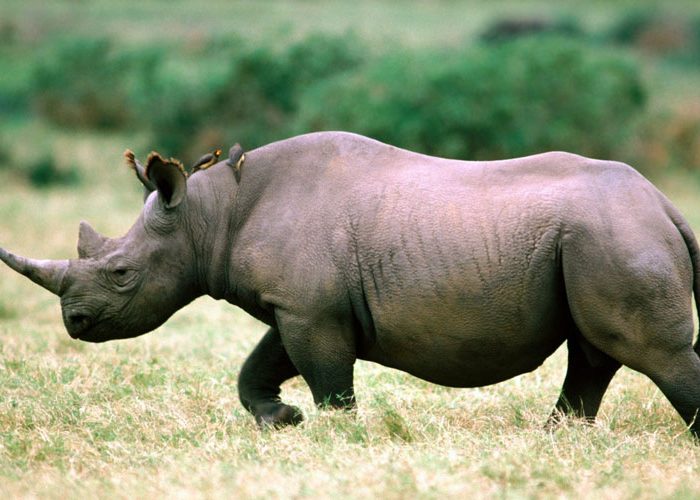
With its largest wilderness area in Africa, Nyerere National park has relatively undisturbed ecological and biological processes, including diverse range of wildlife with significant predator and prey relationship. The might Rufiji with its renown population of hippo and Rhino flows to Indian ocean. The river has been designated as a photographic zone and is a popular tourist destination.

The sheer volume of game in the Nyerere is just outstanding!

Elephant, buffalo and lion are found in greater numbers and the park, together with the remaining part of Selous has the last true stronghold for African wild dog. Visitor to this vast park will be able to enjoy the widest diversity of safari activities in the country, like boating safaris as well as standard game drives, walking safaris and legendary fly camping trips.

selous
selous2

Destination

NGORONGORO CRATER

About this Tour

Ngorongoro Crater is the world’s largest intact and unfilled volcanic caldera, and is indeed the flagship tourism attraction of the Ngorongoro Conservation Area.

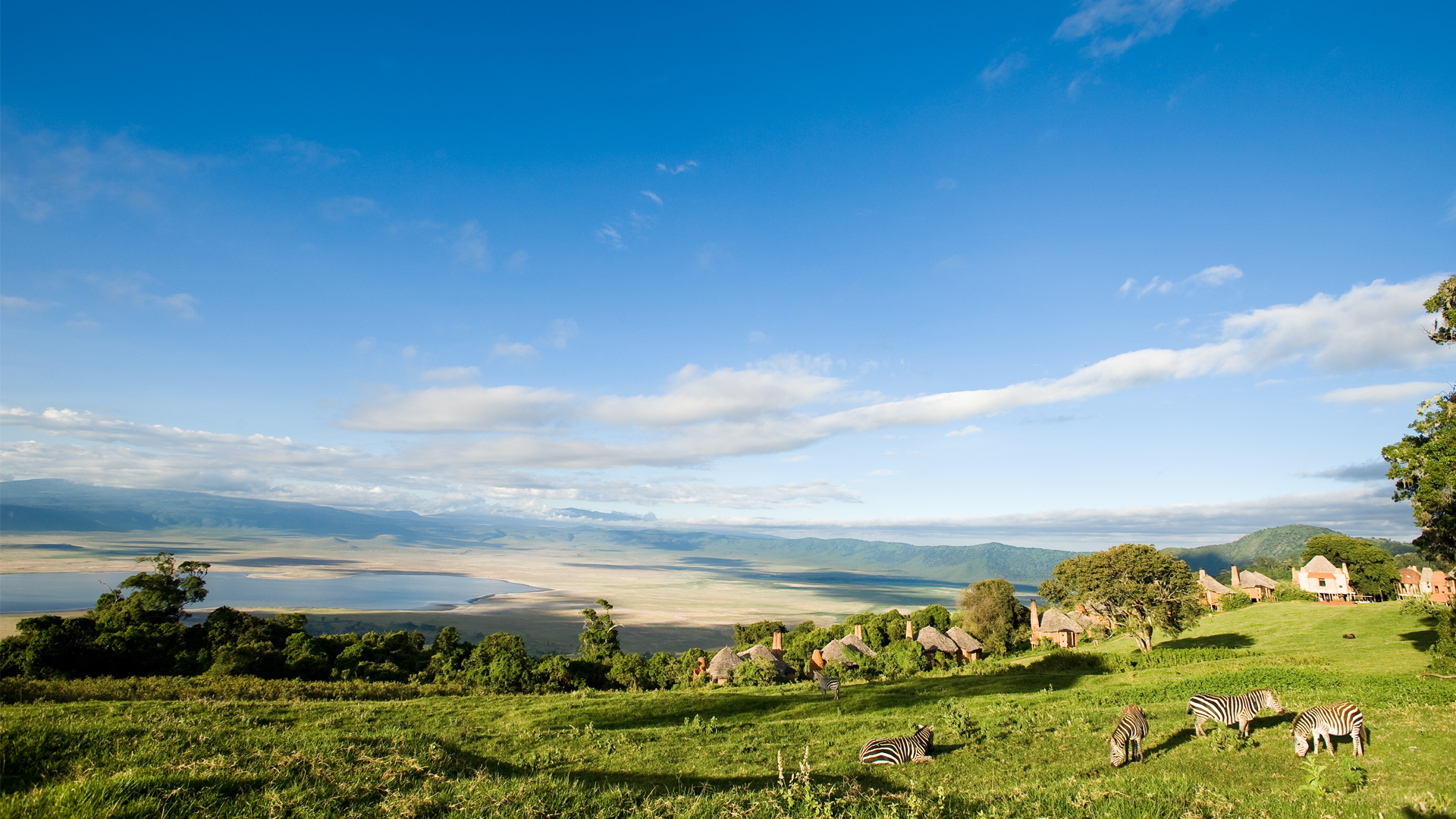
Measuring an area of 260 square kilometers and extending about 20km in diameter, the crater is actually a huge caldera of a volcano that collapsed to a depth of 610m about three million years ago. Over the course of time, streams of water made their way down the crater to form little ponds, and vegetation developed all over, attracting a wide range of wild animals.

The crater is host to over 25,000 animals including populations of large mammals such as elephants, buffaloes, elands, wildebeests, zebras, gazelles, hippos, and rhinos, as well as such carnivores as lions, hyenas, jackals, and cheetahs.

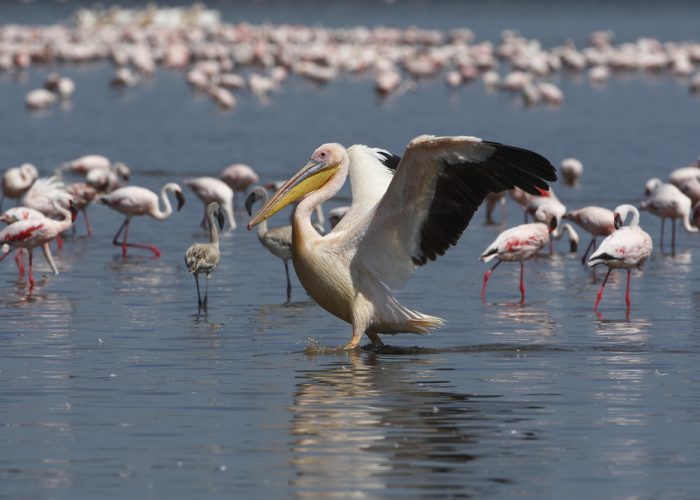
The ponds, or rather small lakes on the floor of the crater also host a wide-range of water birds including flamingoes and pelicans. Away from the crater floor, the forests on the crater rim is home to leopards, reedbuck, warthogs, and forest birds to complete a natural zoo, and Africa’s ultimate destination to see the “Big Five” (lion, elephant, rhino, leopard and buffalo).

The stunning landscape of Ngorongoro Crater combined with its spectacular concentration of wildlife is one of the greatest natural wonders of the planet. The crater was voted one of the Seven Natural Wonders of Africa in February 2013, by the organization Seven Natural Wonders, based in the United States, which had conducted a campaign since 2008 to determine the most phenomenal natural features of Africa.

ng1
ng12

Destination

TARANGIRE NATIONAL PARK

About this Tour

Tarangire National Park is most popular for its large elephant herds and mini-wildlife migration that takes place during the dry season which sees about 250,000 animals enter the park. slightly off the popular northern Tanzania Safari Circuit, the park lies between the meadows of Masai Steppe to the south east and the lakes of the Great Rift Valley to the north and west.

Within the northern part of Tarangire is the permanent River Tarangire also known as the life-line of the park particularly in the dry season when most of the region is totally dry. This flows northwards until it exits the park in the northwestern corner to pour into Lake Burungi. There are a number of wide swamps which dry into green plains during the dry season in the south.

During you Safari in Tarangire, you are highly recommended to stay for a couple of days especially in the south of the park which offers a less crowded safari experience and gives you the opportunity to enjoy an authentic African feel of the Tanzania’s countryside.

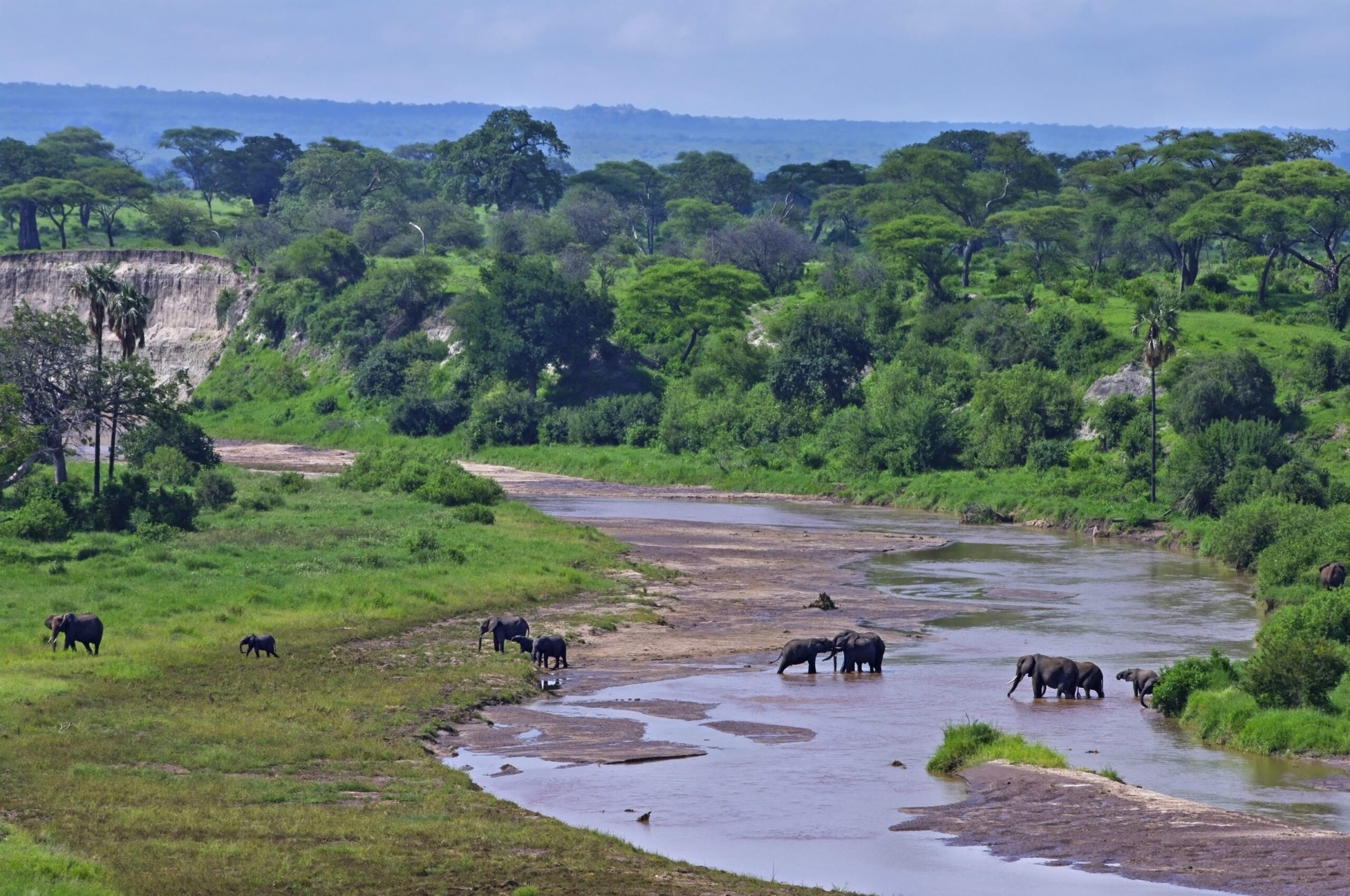
This park is home to one of the largest elephant populations in Africa with several herds of up to 300 members per herd. In addition, there are large numbers of impalas, elands, buffaloes, giraffes, Bohor reedbuck, Coke’s hartebeest, Thompson’s gazelle, the greater and lesser kudu and on rare occasions, the unusual gerenuk and fringe –eared Oryx are also seen.

A few black rhinos are also thought to be still present in this park. You will obviously see big numbers of elephants gather here as well as the wildebeests and zebras. Among the other common animals in the Tarangire are the leopards, lions, hyenas, and cheetah that seem to be popular within the southern open areas. The wild dogs are only seen once in a while the birds within the Tarangire are also quite many, there are over 545 species that have been identified here.

tr4
tr5

Destination

ARUSHA NATIONAL PARK

About this Tour

Welcome to Lake Manyara National Park well known for the tree climbing lions, the soda ash lake that attracts thousands and pink flamingos, one of Tanzania’s biggest elephant population and breathtaking scenery! This travel guide offers you the most updated information about the attractions, Lake Manyara accommodation, getting there and so much more. Enjoy your safari in Tanzania!

The game in Lake Manyara includes plenty of elephants, wildebeests along with so many giraffes, and buffaloes. In addition, the park is also very famous for its large number of zebras, impalas, warthogs and waterbucks. On the slopes of the escarpment, you may need to search a little hard for the tinny and renowned shy kirk’s dik dik and klipspringer.

The large number of birds found in Lake Manyara National Parks differs basing on one habitat to another. Often; you will be able to see huge flocks of pelicans and pink flamingoes on the lake, while close to the park borders and floodplains you will enjoys views of many egrets, stilts erons, spoonbills, stalks and other waders.

The woodlands equally will reward you with great bird views thanks to the so much water around. But the more interesting species will be viewed in the evergreen forests; for example, crowned eagles, crested guinea fowl and the silvery cheeked hornbills.

Besides the traditional way of viewing wildlife in Lake Manyara National Park, the tree-top canopy walk offers you an opportunity to see other wildlife in yet a unique way. Walking at tree-top height you will be able to see some primates and various birds within the forest.

la1
manyara123

Destination

ARUSHA NATIONAL PARK

About this Tour

Arusha National Park (ANAPA) is a gem of varied ecosystems and spectacular views of Mt. Meru, the crater that gives the region its name It is a popular destination for day trip visitors who are about to embark from the town of Arusha on longer northern circuit safaris.

The small national park includes the slopes, summit, and ash cone of Mt. Meru, the Momela Lakes, Ngurdoto Crater, and the lush highland forests that blanket its lower slopes. Game viewing around the Momela Lakes is at a laid-back and quiet pace, and while passing through the forest many visitors stop to search for troupes of rare colubus monkeys playing in the canopy.

Further north, rolling grassy hills enclose the tranquil beauty of the Momela Lakes, each one having a different hue of green or blue. There are shallows sometimes tinged pink with thousands of flamingos. The lakes support a rich selection of resident and migrant waterfowl, and also shaggy waterbucks that display their large lyre-shaped horns on the watery fringes. Giraffes glide across the grassy hills, between grazing zebra herds, whilst pairs of wide-eyed dik-dik dart into scrubby bush like overgrown hares on spindly legs.

Although elephants are uncommon in Arusha National Park, lions are absent altogether, leopards and spotted hyenas may be seen slinking around in the early morning and late afternoon. It is also at dusk and dawn that the veil of cloud on the eastern horizon is most likely to clear, revealing the majestic snow-capped peaks of Kilimanjaro, which is only 50km (30 miles) away.

ar5
rh1

Destination

SERENGETI NATIONAL PARK

About this Tour

Chances are that you have dreamt of Africa, and when you did, you probably dreamt about the Serengeti. Countless wildlife movies have been recorded in the Serengeti, and with good reason: this is the home of the Great Migration and may very well be one of the last true natural wonders on planet earth.

Serengeti National Park is a World Heritage Site teeming with wildlife: over 2 million ungulates, 4000 lions, 1000 leopard, 550 cheetahs and some 500-bird species inhabit an area close to 15,000 square kilometers in size. Join us on a safari and explore the endless Serengeti plains dotted with trees and kopjes from which majestic lions control their kingdom; gaze upon the Great Migration in awe or find an elusive leopard in a riverine forest.

Or perhaps see everything from a bird’s-eye view and soar over the plains at sunrise during a hot air balloon safari. Accommodation options come in every price range – the sound of lions roaring at night is complimentary.

If you are planning a safari to Serengeti National Park, you probably have a ton of questions. Naturally, you want it to be the journey of a lifetime and it will be. Why? There are only few places left with such unspoilt nature splendor, exhilarating wildlife and world-class safari lodges & camps.

se44
se32