Skip to content

+255 785 738 788
info@zoeexpeditions.com

trekking

9 Days

NORTHERN CIRCUIT ROUTE

Tour Type

Kilimanjaro Trekking

WHERE TO GO

Londorossi Gate, Mti Mkubwa Camp, Shira Camp 1, Shira Camp 2, Lava Tower, Moir Camp, Buffalo Camp, Rongai Third Cave, School Hut, Uhuru Peak and Mweka Camp

IMPORTANT NOTE

This is only an illustration of what we do; each of our Trekking is tailor-made. Contact our team of specialists right away to begin creating the ideal Trekking route for you.
About this Tour

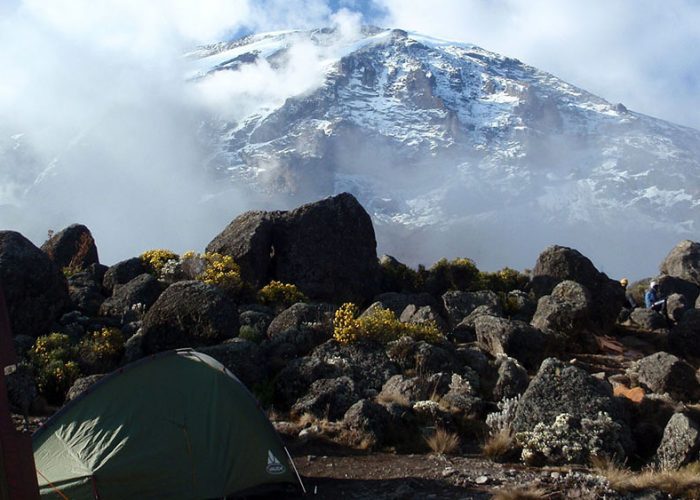
This special 9 day climb offers excellent views from all sides of the mountain, including the quiet, rarely visited northern slopes.

The route approaches Mount Kilimanjaro from the west, beginning with a long drive from Moshi to Londorossi Gate. From there, the first two days are spent trekking through the rainforest to Shira Ridge, before crossing the Shira Plateau. Afterwards, the route heads north and circles clockwise from Moir Hut to Buffalo Camp to School Hut, before summiting from the east. Descent is made via the Mweka route.

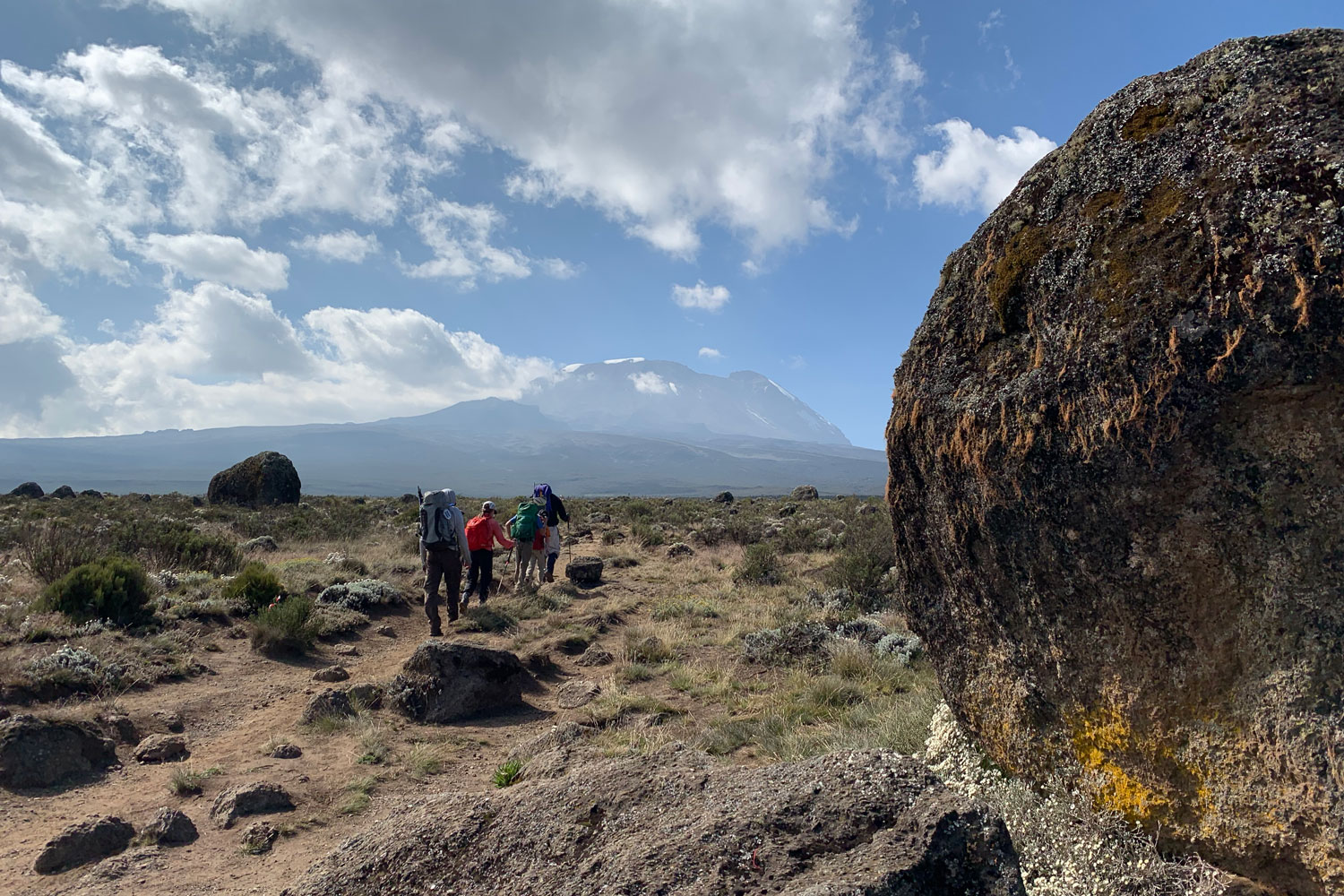
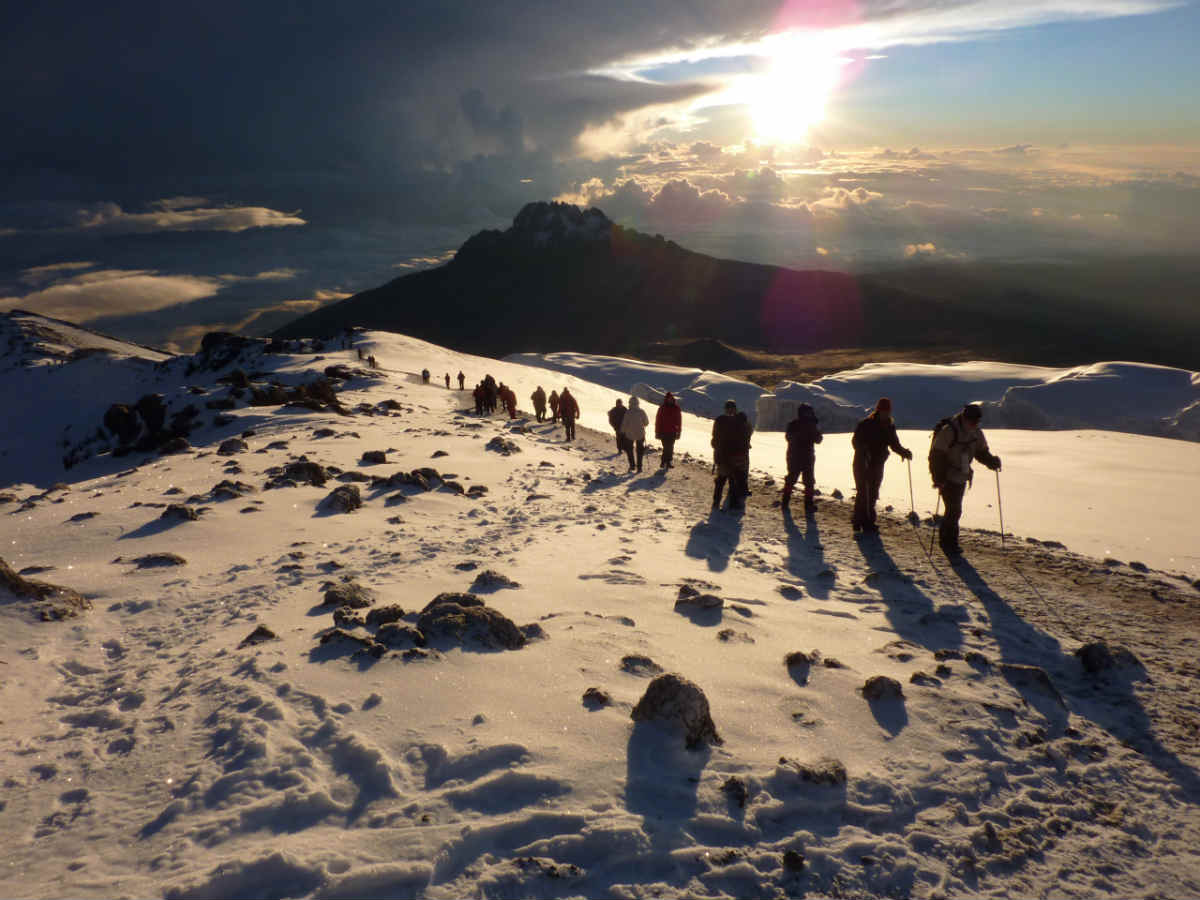
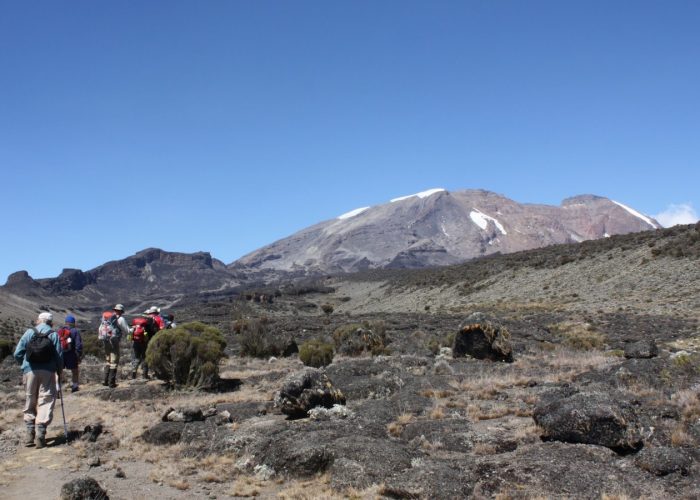
The Northern Circuit route is certainly one of the best routes on Kilimanjaro. While you trek, you will see nearly 360 degrees of beautiful scenery as you traverse the mountain at 13,000 feet. As the longest route on Kilimanjaro, the Northern Circuit also has the longest acclimatization time, giving you the highest chance of reaching the summit successfully. Thus, the Northern Circuit route is highly recommended.

Your Trip’s Roadmap

Airport to Hotel

Arrival at Kilimanjaro International Airport (JRO), where you will meet our representative, and transfer to the hotel under the rate. The hotel will provide all the essentials for a comfortable stay: cozy rooms, hot water, polite staff, a swimming pool, and Internet access.

In the evening there will be a briefing with our managers, who will also make sure you are ready to begin the climb.

Day 1
Londorossi Gate – start point 2,360 meters to Mti Mkubwa Camp

The Northern Circuit Route begins at Londorossi Gate (2,100 meters) in the West, the same start point as the Lemosho Route. The drive to Londorossi Gate takes approximately two hours from Moshi and considerably longer from Arusha. Registration with the Kilimanjaro National Park authorities occurs at the gate and then you will be driven further up the mountain to the trailhead starting point.

You may get lucky and spot large wildlife like elephant and buffalo that sometimes emerge from the rainforest onto the path as you trek towards your first camp. Dinner will be served when you reach Mti Mkubwa Camp.

Day 2
Mti Mkubwa Camp to Shira Camp 1

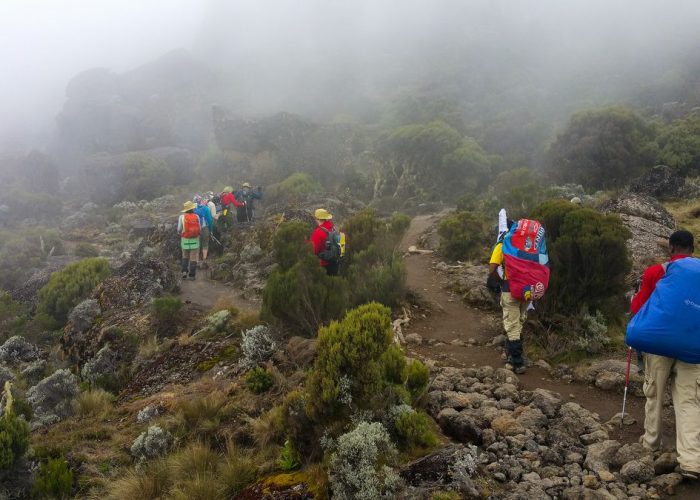
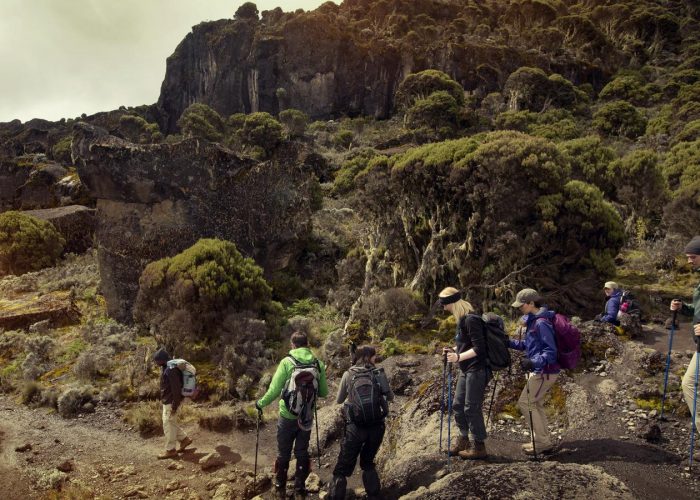
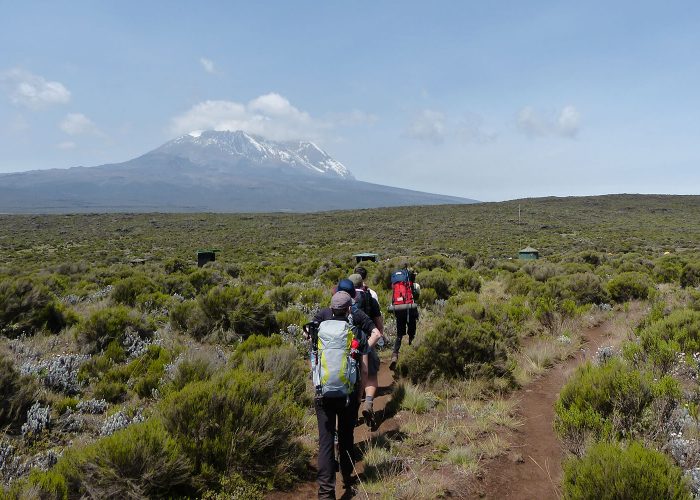
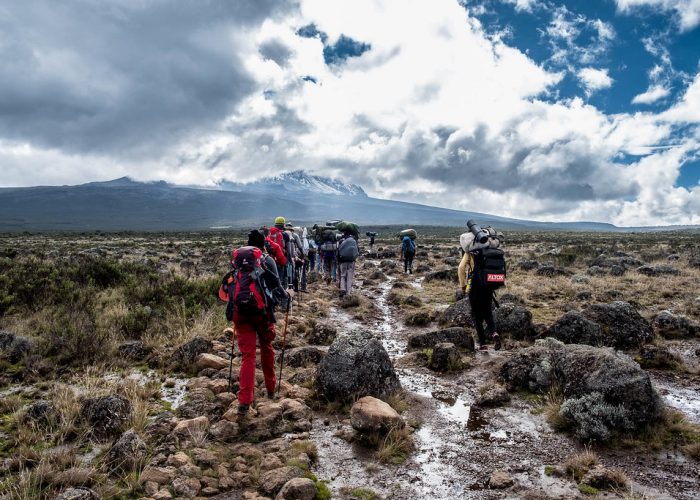
On day two you will spend the first hour trekking through the last section of rainforest path before entering the low alpine moorland zone which follows up onto the Shira Plateau. The trek is relatively short and gradual, ending at Shira Camp 1 (3,610 meters).

Day 3
Shira Camp 1 to Shira Camp 2

On day three the trek crosses the Shira Plateau from Shira Camp 1 to Shira Camp 2. At Shira Camp 2 it is worth trekking a little higher up the plateau to enjoy the stunning view across the valley below and Western Breach of Kilimanjaro above.

Day 4
Shira Camp 2 to Lava Tower and then north to Moir Camp

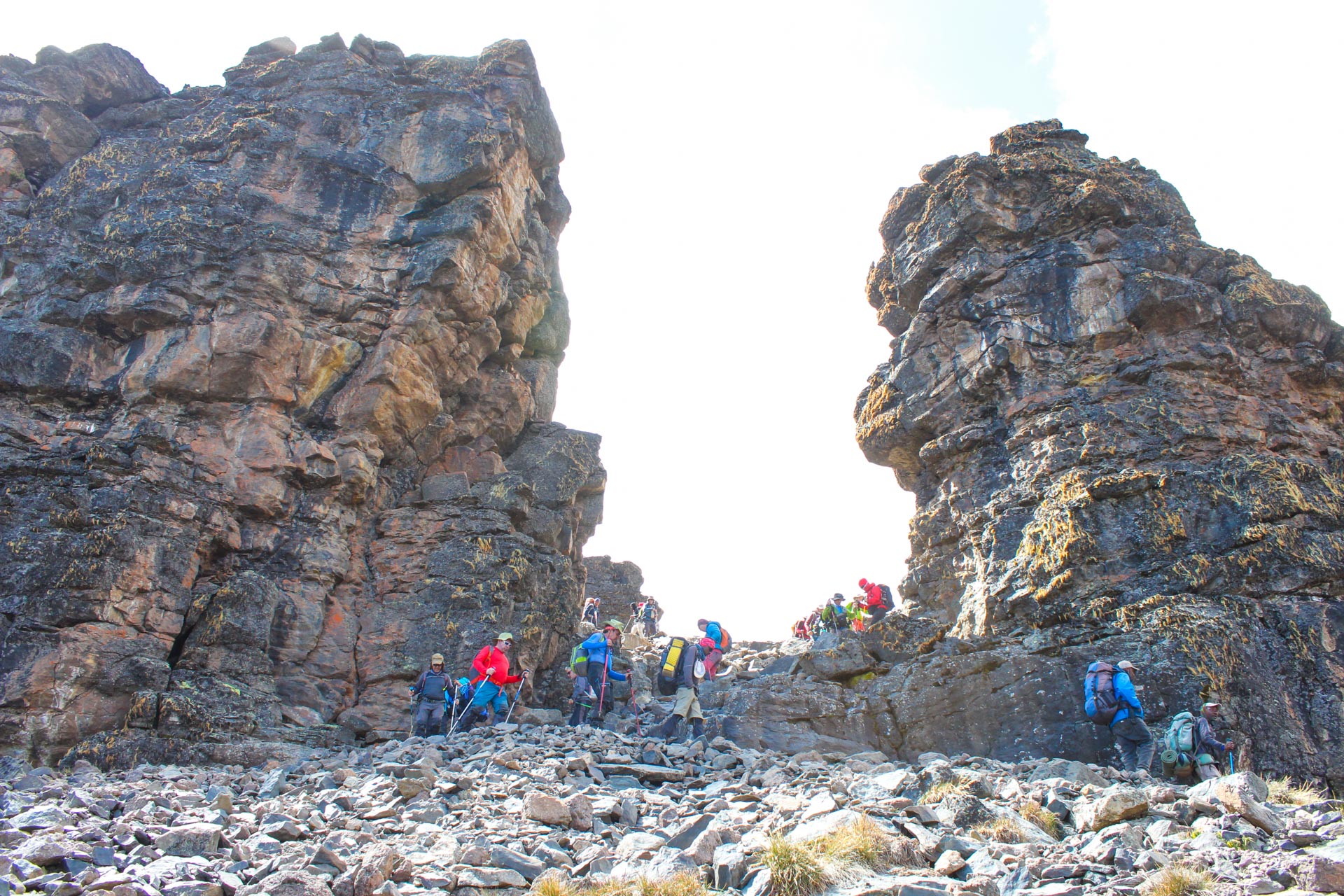
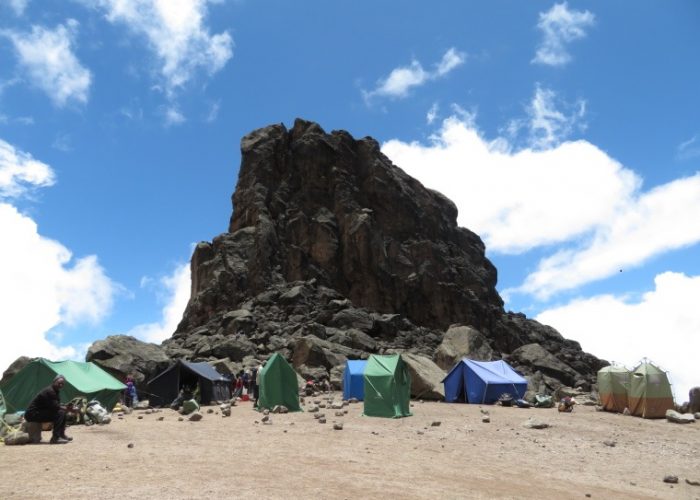
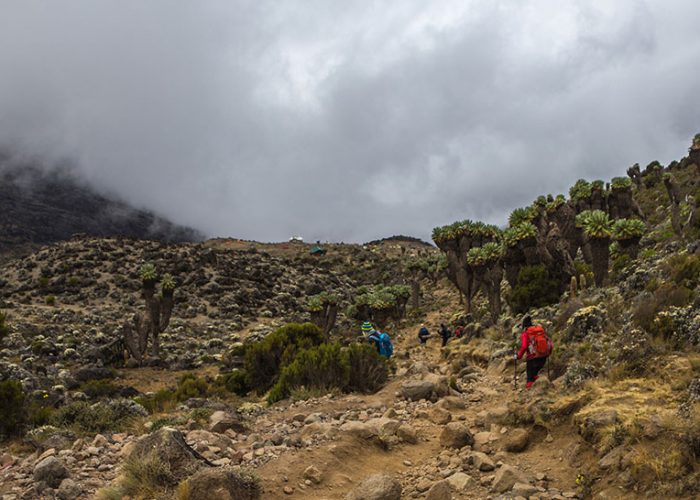
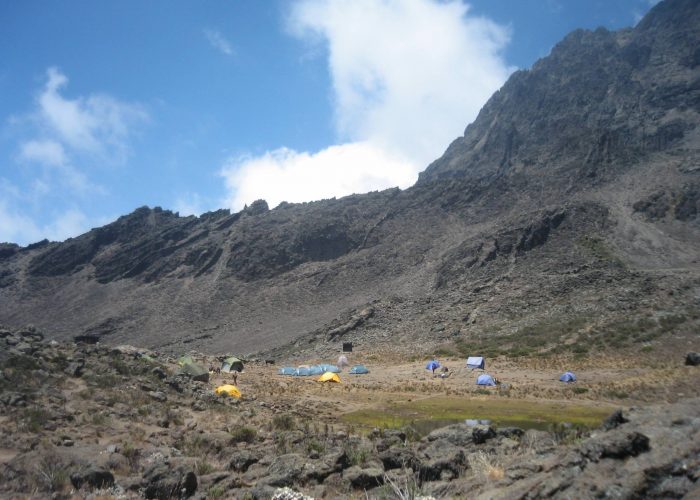
Day four is a long trek heading east which passes through the ‘Garden of the Senecios’ and then enters the high alpine desert zone. The morning is spent trekking up to Lava Tower and the iconic Shark’s Tooth rock formation at 4,600 meters, where you will have lunch. After lunch you will join the northern circuit heading down to Moir Camp at 4,200 meters.

This is an important day in your trek as you will get to experience high altitude and then sleep low, which is good for the acclimatization process.

Day 5
Moir Camp to Buffalo Camp

Day five involves a moderately steep climb out of Moir Valley. Trekkers can take a small detour here to climb the summit of Little Lent Hill at 4,375 meters before returning to the Northern Circuit trail. From here the route follows a series of inclines and declines, skirting around the northern slopes of Kibo to Buffalo Camp (4,020 meters).

The trek gives great vistas out across the plains that lie north of Kilimanjaro and stretch out to the Kenyan / Tanzanian border. You will arrive at Buffalo Camp just after midday, where you will have lunch and have time to rest after a long day hiking.

Day 6
Buffalo Camp to Rongai Third Cave

Day six starts with a climb up the Buffalo ridge and down into Porfu Camp where lunch is usually served. The route then continues east around the northern slopes to the Rongai Third Cave at 3,800 meters. The trek is shorter than the day before and by now you should be feeling well acclimatized to the altitude. You will arrive at the Third Cave just around mid-afternoon.

Day 7
School Hut to Uhuru Peak and then onto Mweka Camp

You will be awoken around 11:30 with hot tea and biscuits and will then begin the steep incline up the slopes of Kibo under the cover of darkness. Your first check-point is Hans Meyer Cave where you will take a short break.

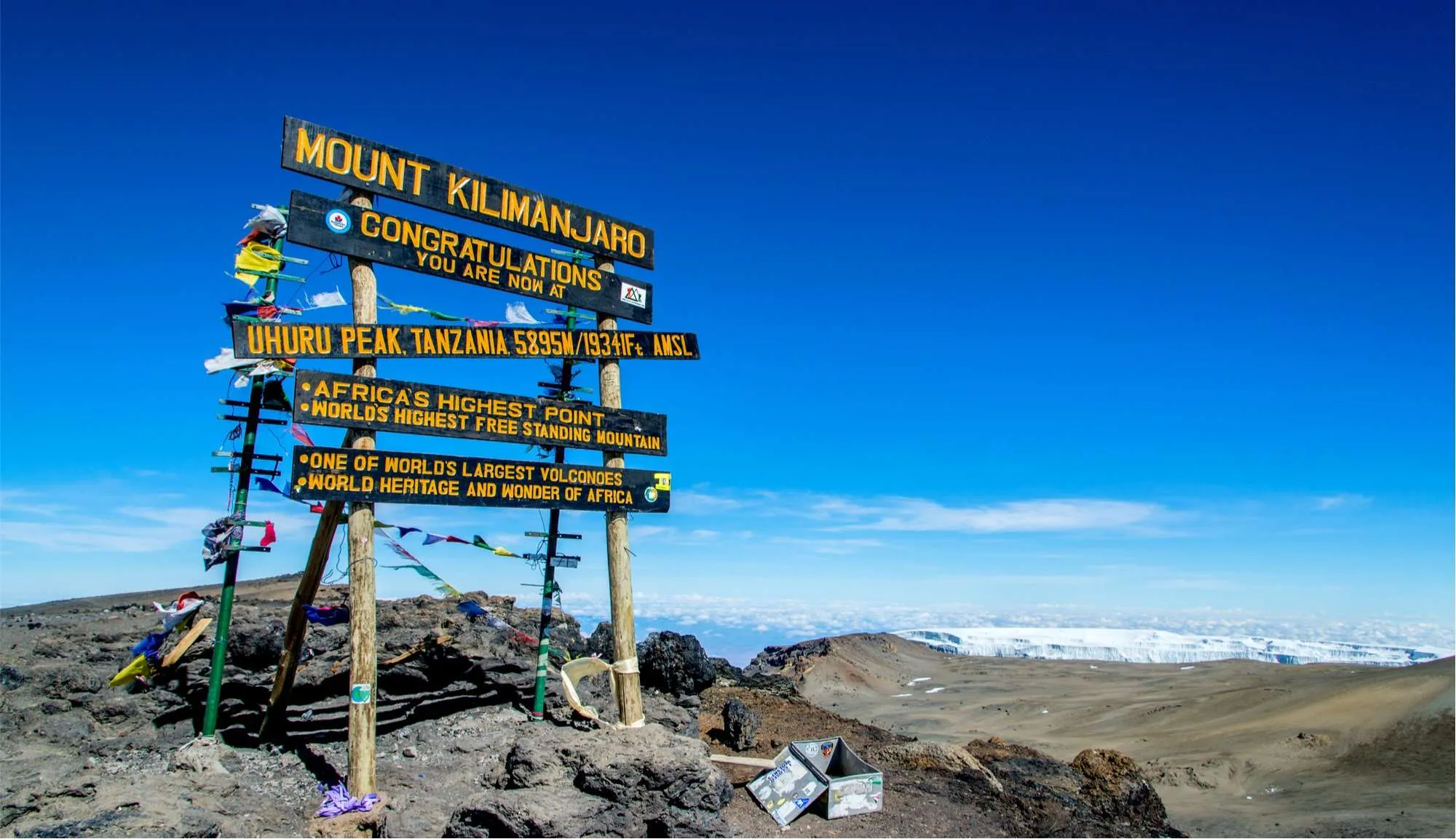
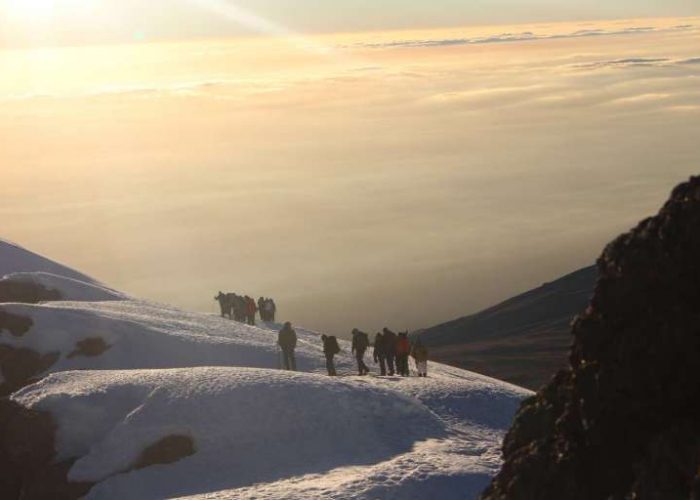
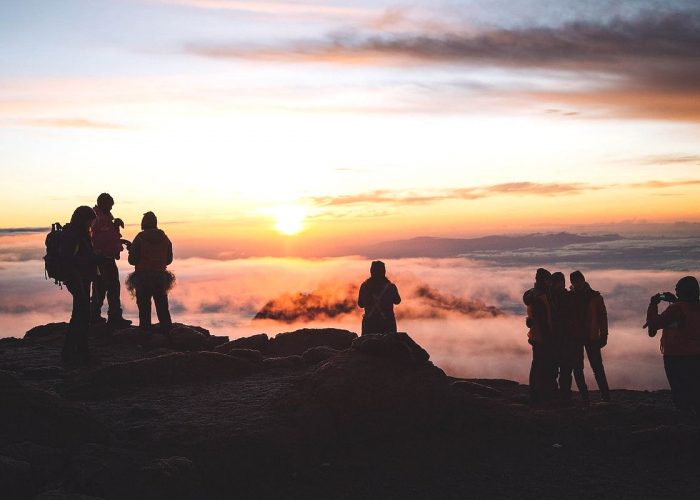
The climb steepens as you approach Gilman’s Point (5,681 meters), which will be around 5-6 hours after departing School Hut. The trail to Gilman’s Point is very steep and the ascent will be slow and steady. From Gilman's, it is a traverse along the crater rim to Uhuru Peak. We stay at the summit for a short time, to take photos and enjoy the views, before retracing our steps to Stella Point, and then descend down a long, rocky path to Mweka Camp.

Day 8
Mweka Camp to Mweka Gate to Moshi

The final day is a short hike through the dense mountain rainforest from Mweka Camp (3,950 meters) to Mweka Gate (1,640 meters).

This will be the last day for the journey which will be accompanied by the by a traditional farewell ceremony, you will gently descend through the rainforest to Mweka Gate, where you will be met and transferred to Moshi where you will can celebrate your achievement

Day 9

Enquire this Tour

8 Days

MACHAME ROUTE

Tour Type

Kilimanjaro Trekking

WHERE TO GO

Machame Camp, Shira Camp, Barranco Camp, Barafu Camp, Millennium Camp and Uhuru Peak

IMPORTANT NOTE

This is only an illustration of what we do; each of our Trekking is tailor-made. Contact our team of specialists right away to begin creating the ideal Trekking route for you.
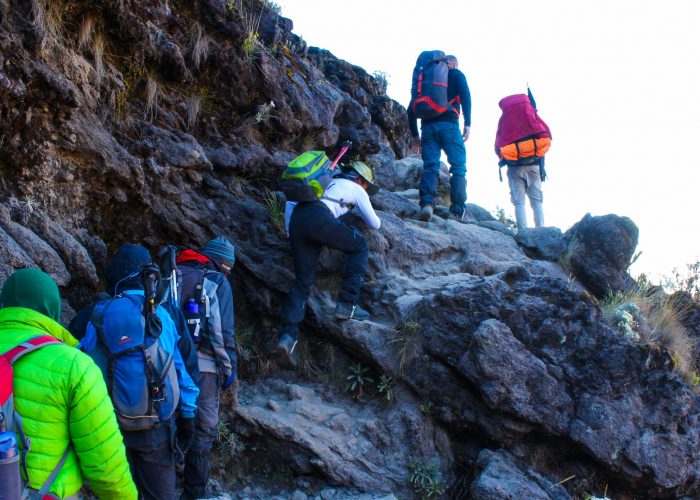
About this Tour

8 Day Climbing Kilimanjaro via the Machame route. The Machame route, also known as the “Whisky Route”, is one of the best to climb Kilimanjaro as it is optimal for acclimatization, allowing the climbers to “walk high and sleep low”, and as a result enjoy one of the highest summit success rates of all the routes to climb Mt Kilimanjaro.

This 8 Day Climbing Kilimanjaro via the Machame route offers a great acclimatization program. You will have 2 shorter days of trekking prior to your summit ascent in order to optimize your Kilimanjaro climb. Throughout the trek, we will go through stunning terrain and climb in five different climatic zones.

Your Trip’s Roadmap

Airport to Hotel

Arrival at Kilimanjaro International Airport (JRO), where you will meet our representative, and transfer to the hotel under the rate.

The hotel will provide all the essentials for a comfortable stay: cozy rooms, hot water, polite staff, a swimming pool, and Internet access. In the evening there will be a briefing with our managers, who will also make sure you are ready to begin the climb.

Day 1
Trekking From Machame Gate to Machame Camp

A guide and a mountain support crew will arrive at the hotel in the morning in order to meet you and hold a quick briefing, after which you will travel by vehicle to Kilimanjaro National Park’s entrance: Machame Gate (1,800 m). After the quick formality of acquiring climbing permits and registering with the search and rescue service, the group will start trekking up to Machame Camp (3,010 m).

The trekking route includes passage through the rainforest (where tropical showers are highly probable), so we recommend you take not only spare clothes, but also your raincoats.

This will be your first day at this altitude, so it is strongly recommended you heed the following instructions from this point on:

  1. Abstain from consuming alcohol and caffeine
  2. Drink over 4 liters of bottled water daily (little by little, frequently)
  3. Take a Diamox pill to help alleviate symptoms of altitude sickness. Most mountain climbers take Diamox in the morning, before they start their ascent, in order to reduce discomfort associated with altitude sickness. We recommend you consult your doctor prior to the trip in case of potential allergies.

At night you may experience discomfort associated with acclimatization to the high altitude: because of a reduction in your waking breathing pattern, your body gets less oxygen than during the day. Taking altitude into account, you may therefore start feeling sick and have a headache. Pay attention to your own body and tell your guide if you start feeling any symptoms of altitude sickness.

Day 2
Trekking From Machame Camp to Shira Camp

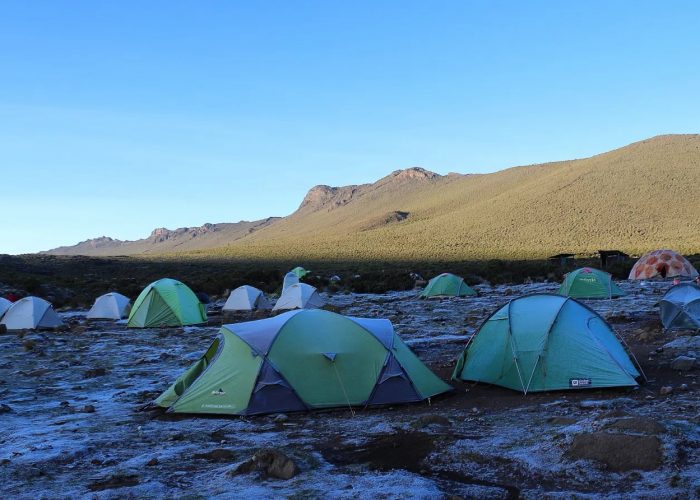
After breakfast you will start trekking up to the second high-altitude camp, Shira Camp (3,845 m). On this day you will emerge from the rainforest and for the first time be able to see stunning views of the Shira Plateau laid out in front of you.

Physically speaking, the trekking is not very difficult, but you may feel the changes in altitude, so pay attention to your body and remember that choosing the proper pace is extremely important for good trekking. When you reach the camp, you will have lunch and some rest, after which the group will go on an acclimatization hike towards Lava Tower Camp with a 300-meter gain in altitude. Back down at Shira Camp you will be served a hot dinner.

Note: The acclimatization hike is an easy trek with a slight gain in altitude done in order to speed up the acclimatization process. You should take the acclimatization hikes very seriously. They help increase your chances of successfully summiting Kilimanjaro and save you from the consequences of altitude sickness.

Day 3
Trekking From Shira Camp to the Lava Tower and Descent to Barranco Camp

After breakfast you will leave Shira Camp (3,845 m) and start your way to the key point of the route: Lava Tower (4,630 m). This section of the route has a lot of ascents and descents that end in a camp at over 4,600 meters.

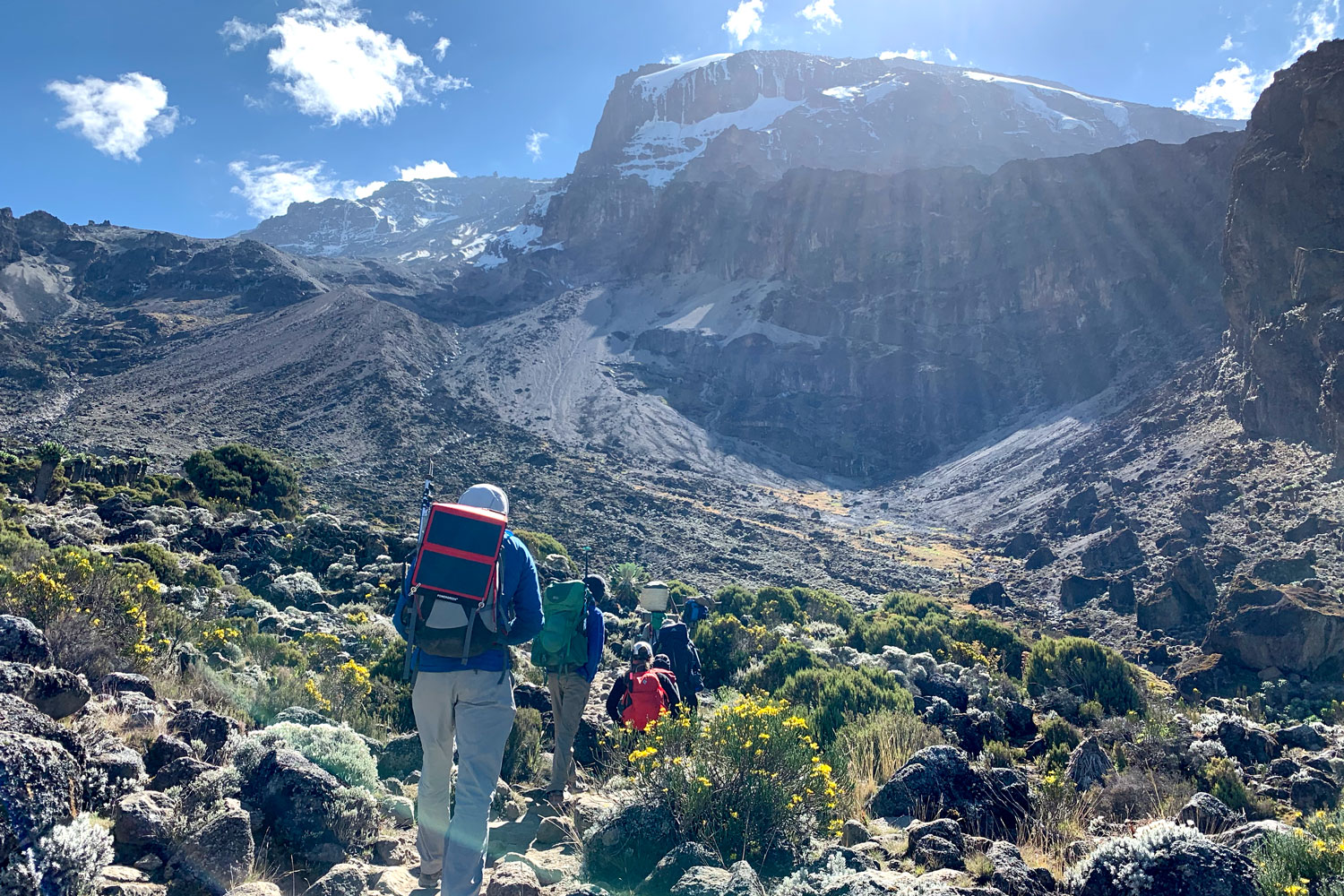
It might be difficult, and you may feel some discomfort, but in order to successfully acclimate to the altitude you have to spend at least 1–2 hours here, so this is where lunch will be.Then you will descend to Barranco Camp (3,960 m). Here you can see the famous Barranco Wall, impressive in both its massive size and steepness! Next day you will be climbing it, but don’t worry: it features a very simple hiking trail.

Note: If one or more participants feel sick, the group may refrain from passing the Lava Tower and adjust the route, following instead the road for porters. In this case you will not reach an altitude of 4,630 meters, getting up only to a maximum of 4,400 meters.

Day 4
Trekking From Barranco Camp to Barafu Camp

Early wakeup, breakfast and the start of summiting Barranco Wall (we recommend you leave the camp as early as possible to avoid crowds of the other groups). Hiking up the gorge wall is not difficult and only takes around an hour. After the climb you can have a rest and take photos in front of the Kibo volcano.

Then you start a more difficult hike to Karanga Camp, which features numerous ascents and descents during the route, but don’t worry: our guides are experts at choosing an optimal pace for the group. After reaching the camp you will be offered a warm lunch. After a couple of hours you will have to complete ascend to Barafu Camp (4,640 m) where you will be served a hot dinner. It is better to spend the remainder of the day resting and sleeping before night summiting.

Day 5
Ascent to Uhuru Peak and Descent to Millennium Camp

Departure from Barafu Camp (4,640 m) at night and the start of summiting Kilimanjaro: Uhuru Peak (5,895 m). Technically the climb is relatively simple; however, the most challenging part is the high altitude. Each pair of climbers will get a personal guide for the entire ascent to monitor your physical and mental conditions.

After your successful ascent to Uhuru Peak, you can descend to the nearest glacier if desired. Then you will return to Barafu Camp and after a 2-hour rest continue your descent to Millennium Camp (3,820 m).

Note: Don’t forget that 90% of all accidents occur during the descent, including all broken arms and legs. Please pay attention to your feet, as there is a high risk of damaging your toenails.

Day 6
Descent from Millennium Camp to Mweka Gate

The camp is situated in a tropical rainforest. When you wake up, you will feel relief from the reduction of the height and the satisfaction of reaching the summit. After a warm breakfast, you will head for the park’s exit: Mweka Gate (1,650 m).

After your descent the whole group will gather to congratulate you, followed by offering you a chance to share your opinions on the climb in the guestbook. Lastly, we will present you with your commemorative certificates in our office and provide you a transfer back to the hotel.

Day 7
Departure

Rest in the hotel and transfer to the airport.

Day 8

8 Days

LEMOSHO ROUTE

Tour Type

Kilimanjaro Trekking

WHERE TO GO

Shira Camp, Barranco Camp, Karanga Camp, Barafu Camp, Millennium Camp and Uhuru Peak

IMPORTANT NOTE

This is only an illustration of what we do; each of our Trekking is tailor-made. Contact our team of specialists right away to begin creating the ideal Trekking route for you.
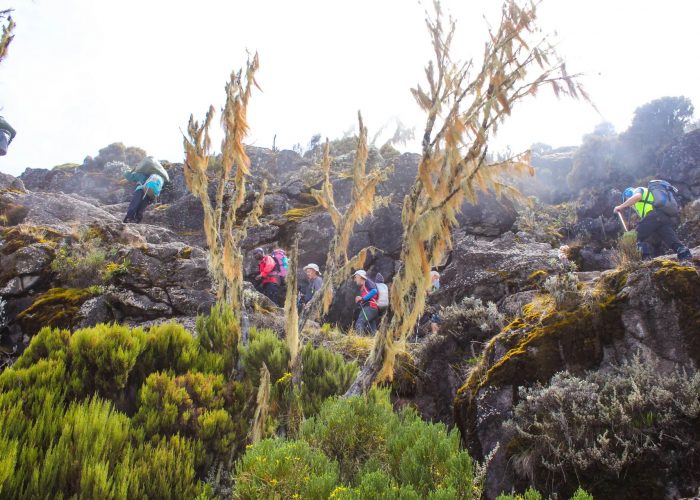
About this Tour

This guided Kilimanjaro Hike takes you to the summit of Mount Kilimanjaro via the Lemosho Route. This is widely considered the best hiking trail on Mt Kili. One of the main advantages of climbing Kilimanjaro on the Lemosho Route is the higher success rate in reaching the summit. The route is one of the longest which allows for more time to acclimatize. In addition to maximizing your chances of standing on the Roof of Africa, the relatively new Lemosho Route is also one of the most beautiful. And, owing to the remoteness of this scenic route you will encounter less foot traffic along much of your Kilimanjaro hike.

Approaching the majestic peak from the west this Kilimanjaro hiking tour passes through changing landscapes and vegetation zones, with the chance of spotting game lower on the slopes. The scenery along the Lemosho Route is dramatic and the views from different sides of Kilimanjaro are spectacular. You hike across the Shira Plateau below the Kibo ice fields, before joining the Machame Route and making the ascent to Uhuru Peak, the highest summit on Kilimanjaro.

Your Trip’s Roadmap

Airport to Hotel

Arrival at Kilimanjaro International Airport (JRO), where you will meet our representative, and transfer to the hotel under the rate. The hotel will provide all the essentials for a comfortable stay: cozy rooms, hot water, polite staff, a swimming pool, and Internet access.

In the evening there will be a briefing with our managers, who will also make sure you are ready to begin the climb.

Day 1
High-Altitude Drop off Destination and Trekking to Shira 2 Camp

A guide and a mountain support crew will arrive at the hotel in the morning in order to meet you and hold another briefing, after which you will travel by vehicle (roughly 3–4 hours) to Kilimanjaro National Park’s western entrance: Londorossi Gate (2,200 m).

After the quick formality of acquiring climbing permits and registering with the search and rescue service, the group continues upwards towards their drop off point by off-road vehicles (reaching 3,500 meters). Here you can see stunning views of the Shira Plateau for the first time.

The route from your drop off point to your first high-altitude camp Shira 2 features a moderate gain in altitude and is not too physically challenging. Due to this, you will be able to properly begin the process of acclimatization. By the time you reach the camp, our professional mountain crew will prepare everything necessary, put tents and cook dinner for you.

This will be your first day at this altitude, so it is strongly recommended you heed the following instructions from this point on:

  • Abstain from consuming alcohol and caffeine
  • Drink over 4 liters of bottled water daily (little by little, frequently)
  • Take a Diamox pill to help alleviate symptoms of altitude sickness. Most mountain climbers take Diamox in the morning, before they start their ascent, in order to reduce discomfort associated with altitude sickness. We recommend you consult your doctor
  • prior to the trip in case of potential allergies.

At night you may experience discomfort associated with acclimatization to the high altitude: because of a reduction in your waking breathing pattern, your body gets less oxygen than during the day. Taking altitude into account, you may therefore start feeling sick and have a headache. Pay attention to your own body and tell your guide if you start feeling any symptoms of altitude sickness.

Day 2
Trekking from Shira 2 Camp to the Lava Tower and Descent to Barranco Camp

After breakfast you will leave Shira 2 Camp (3,900 m) and start your way to the key point of the route: Lava Tower (4,630 m). This section of the route has a lot of ascents and descents that end in a camp at over 4,600 meters. It might be difficult, and you may feel some discomfort, but in order to successfully acclimate to the altitude you have to spend at least 1–2 hours here, so this is where lunch will be.

Then you will descend to Barranco Camp (3,960 m). Here you can see the famous Barranco Wall, impressive in both its massive size and steepness! Next day you will be climbing it, but don’t worry: it features a very simple hiking trail.

Note: If one or more participants feel sick, the group may refrain from passing the Lava Tower and adjust the route, following instead the road for porters. In this case you will not reach an altitude of 4,630 meters, getting up only to a maximum of 4,400 meters.

Day 3
Trekking from Barranco Camp to Karanga Camp

Early wakeup, breakfast and the start of summiting Barranco Wall (we recommend you leave the camp as early as possible to avoid crowds of the other groups). Hiking up the gorge wall is not difficult and only takes around an hour. After the climb you can have a rest and take photos in front of the Kibo volcano.

Then you start a more difficult hike to Karanga Camp, which features numerous ascents and descents during the route, but don’t worry: our guides are experts at choosing an optimal pace for the group. After reaching the camp you will be offered warm lunch. After a couple of hours you will have to complete an acclimatization hike in the direction of Barafu Camp with a 300-meter gain in altitude, and then descent back down to the camp.

Note: The acclimatization hike is an easy trek with a slight gain in altitude done in order to speed up the acclimatization process. You should take the acclimatization hikes very seriously. They help increase your chances of successfully summiting Kilimanjaro and save you from the consequences of altitude sickness.

Day 4
Trekking from Karanga Camp to Barafu Camp

In the morning after breakfast you begin your way to Barafu Summit Camp (4,640 m), the starting point for a night summiting Uhuru Peak (5,895 m). Our team will set up a camp for you ahead of time, including tents and sleeping bags, so you can relax.

After regaining strength, you have to complete an acclimatization hike towards the intermediate Kosovo Summit Camp (4,800 m) and then back to Barafu Camp, where you will be served a hot dinner. It is better to spend the remainder of the day resting and sleeping before night summiting.

Day 5
Ascent to Uhuru Peak and Descent to Millennium Camp

Departure from Barafu Camp (4,640 m) at night and the start of summiting Kilimanjaro: Uhuru Peak (5,895 m). Technically the climb is relatively simple; however, the most challenging part is the high altitude.

Each pair of climbers will get a personal guide for the entire ascent to monitor your physical and mental conditions. After your successful ascent to Uhuru Peak, you can descend to the nearest glacier if desired. Then you will return to Barafu Camp and after a 2-hour rest continue your descent to Millennium Camp (3,820 m).

Note: Don’t forget that 90% of all accidents occur during the descent, including all broken arms and legs. Please pay attention to your feet, as there is a high risk of damaging your toenails.

Day 6
Descent from Millennium Camp to Mweka Gate

The camp is situated in a tropical rainforest. When you wake up, you will feel relief from the reduction of the height and the satisfaction of reaching the summit. After a warm breakfast, you will head for the park’s exit: Mweka Gate (1,650 m).

After your descent the whole group will gather to congratulate you, followed by offering you a chance to share your opinions on the climb in the guestbook. Lastly, we will present you with your commemorative certificates in our office and provide you a transfer back to the hotel.

Day 7
Departure

Rest in the hotel and transfer to the airport.

Day 8

7 Days

RONGAI ROUTE

Tour Type

Kilimanjaro Trekking

WHERE TO GO

Second Cave, Kikelelwa Cave, Mawenzi Tarn, Kibo Hut, Horombo Hut and Uhuru Peak

IMPORTANT NOTE

This is only an illustration of what we do; each of our Trekking is tailor-made. Contact our team of specialists right away to begin creating the ideal Trekking route for you.

About this Tour

With its gentle gradient and sense of unspoilt wilderness, the Rongai Route approaches Kilimanjaro from the north and is less crowded than the most popular trails. We trek through farmlands, forest and alpine moorlands as we approach the beautiful summit cone. This route allows an extra day for acclimatisation under the imposing spires of Mawenzi, before the arduous final ascent. The final climb begins in darkness but our reward is an incomparable dawn vista over the sweeping East African plains.

Your Trip’s Roadmap

Moshi to Marangu Gate -Second Cave

Today after breakfast, you will drive from Moshi to Marangu Gate for permits before taking a short transfer to the Rongai Gate trailhead.

The path winds through corn and potato fields and then climbs gently through the forest which is home to a variety of wildlife, including the black and white colobus monkey.

Day 1
Second Cave - Kikelewa Cave

Today in the morning, you will begin with a steady incline up to Second Cave.

You continue trekking though moorland, leaving the main trail for a smaller path towards the jagged peaks of Mawenzi, before finally arriving at Kikelewa Cave for the night.

Day 2
Kikelewa Cave - Mawenzi Tarn

Today the hike will be short and steep up a grassy slope.

Views of the wilderness area are stunning. As you exit the heath zone and emerge into the Alpine Desert zone, the landscape changes dramatically.

Our camp is situated beneath the jagged spires of Mawenzi, at Mawenzi Tarn. The remainder of the day can be spent relaxing or exploring the area.

Day 3
Mawenzi Ridge - Mawenzi Turn for Camp

Today is meant for acclimatization and can be spent day hiking on Mawenzi Ridge. The unique landscape offers motivating views of Kibo and Mawenzi.

After spending a few moments exploring the area we head back to Mawenzi Tarn for camp.

Day 4
Kibo Hut

Today you will climb gradually, then cross the lunar desert of the “Saddle” between Mawenzi and Kibo. Our camp, Kibo Hut, sits at the bottom of the Kibo crater wall.

Once here we rest, enjoy an early dinner to prepare for the summit day.

Day 5
Gilman’s point - Uhuru Peak - Horombo Hut

On this day round midnight, you begin your push to the summit. This is the most mentally and physically challenging portion of the trek. The wind and cold at this elevation and time of day can be extreme. We ascend in the darkness for several hours while taking frequent, but short, breaks. At Gilman’s point (18,600 ft), you will be rewarded with the most magnificent sunrise you are ever likely to see coming over Mawenzi Peak. Finally, you will arrive at Uhuru Peak- the highest point on Mount Kilimanjaro and the continent of Africa.

After spending a few moments taking in the plains of Africa and your accomplishment, you descend to Horombo Hut. Later in the evening, you enjoy your last dinner on the mountain and a well-earned sleep.

Day 6
Horombo Hut - Marangu Gate

This day will be your last day, you will have a long trek mostly downhill through the tropical rain-forest. Once at the park headquarters at Marangu gate, you collect your summit certificates. A vehicle will meet you here and drive back to the hotel in Moshi.

Day 7

7 Days

MARANGU ROUTE

Tour Type

Kilimanjaro Trekking

WHERE TO GO

Mandara Hut, Horombo Hut, Kibo Hut, Uhuru Peak

IMPORTANT NOTE

This is only an illustration of what we do; each of our Trekking is tailor-made. Contact our team of specialists right away to begin creating the ideal Trekking route for you.

About this Tour

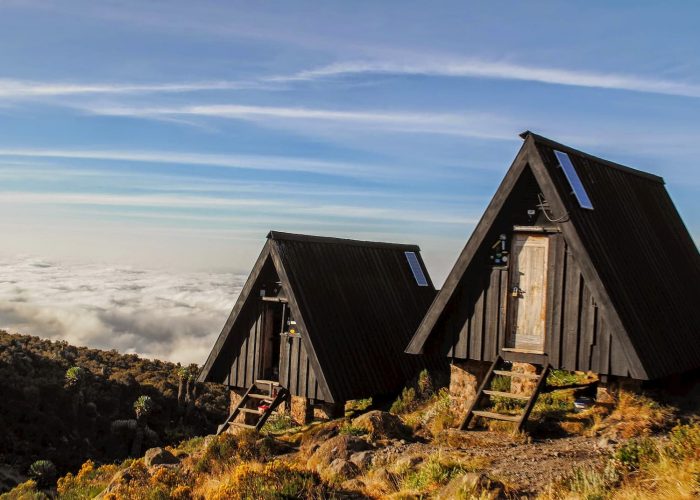
The guided Kilimanjaro Hiking Tour via Marangu Route follows the shortest and easiest Kilimanjaro hiking trail. This affordable Kilimanjaro hike takes a leisurely 6 days, allowing for time to acclimatize as you climb Kilimanjaro to the “Roof of Africa”. The Marangu Route hiking tour is unique in offering the luxury of sleeping huts at all of the camps along the way. These solar-powered huts are equipped with comfortable bunk beds with mattresses and pillows for comfortable nights of rest. 

There are various beverages on sale along the so-called “Coca Cola Route” and usually even beers available at the huts. Meals are taken in shared dining huts where climbers from various countries across the globe get to meet. These social mealtimes on the Marangu route are fun and lively occasions.

Climb Kilimanjaro on the oldest route and conquer Africa’s tallest mountain!

Your Trip’s Roadmap

Airport to Hotel

Arrival at Kilimanjaro International Airport (JRO), where you will meet our representative, and transfer to the hotel under the rate. The hotel will provide all the essentials for a comfortable stay: cozy rooms, hot water, polite staff, a swimming pool, and Internet access.

In the evening there will be a briefing with our managers, who will also make sure you are ready to begin the climb.

Day 1
Trekking from Marangu Gate to Mandara Hut

A guide and a mountain support crew will arrive at the hotel in the morning in order to meet you and hold a quick briefing, after which you will travel by vehicle to Kilimanjaro National Park’s eastern entrance: Marangu Gate (1,860 m).

After the quick formality of acquiring climbing permits and registering with the search and rescue service, the group will start trekking up to Mandara Hut (2,700 m). The trekking route includes passage through the rainforest (where tropical showers are highly probable), so we recommend you take not only spare clothes, but also your raincoats. When you reach the camp, our mountain support crew will take care of the necessities, pitch the tents, and prepare lunch.

Throughout the entire Marangu route, you will be spending your nights in special huts. They offer a great alternative to those who do not want to sleep in tents.

This will be your first day at this altitude, so it is strongly recommended you heed the following instructions from this point on:

  • Abstain from consuming alcohol and caffeine
  • Drink over 4 liters of bottled water daily (little by little, frequently)
  • Take a Diamox pill to help alleviate symptoms of altitude sickness. Most mountain climbers take Diamox in the morning, before they start their ascent, in order to reduce discomfort associated with altitude sickness. We recommend you consult your doctor prior to the trip in case of potential allergies.

At night you may experience discomfort associated with acclimatization to the high altitude: because of a reduction in your waking breathing pattern, your body gets less oxygen than during the day.

Taking altitude into account, you may therefore start feeling sick and have a headache. Pay attention to your own body and tell your guide if you start feeling any symptoms of altitude sickness.

Day 2
Trekking from Mandara Hut to Horombo Hut

Early in the morning after breakfast, the group will depart Mandara Hut to start a moderate trek towards the second high altitude camp: Horombo Hut (3,720 m).

When you reach the camp on this day, you will be treated to views of two volcanoes at once: Kibo and Mawenzi. Several hours after lunch you will have to complete an acclimatization hike in the direction of Kibo Hut with a 200-meter gain in altitude, and then hike back down to Horombo Hut where dinner will be prepared for you.

NoteThe acclimatization hike is an easy trek with a slight gain in altitude done in order to speed up the acclimatization process. You should take the acclimatization hikes very seriously. They help increase your chances of successfully summiting Kilimanjaro and save you from the consequences of altitude sickness.

Day 3
Trekking from Horombo Hut to Kibo Hut

On this day, right after breakfast the group will be trekking to the Kibo Hut (4,700 m). The actual trekking is not very difficult, just remember to stick with an appropriate pace to keep up your strength for the trekking to Kilimanjaro’s summit.

When you reach the camp you will be served lunch, after which we recommend you sleep as much as you can, avoid any strenuous activity, and drink lots of water.

Day 4
Trekking from Uhuru peak and descent to Horombo hut

Night departure from Kibo Hut (4,700 m) and the start of your trekking to Kilimanjaro’s summit: Uhuru peak (5,895 m). The trekking will be moderate from a physical standpoint, but the altitude presents a much more serious problem.

For the entire length of the trekking each pair of climbers will be accompanied by their own guide, who will be monitoring your stamina and mental resolve. After your successful ascent to Uhuru Peak, you can descend to the nearest glacier if desired. Then you will return to Kibo Camp and after a two-hour rest continue your descent to Horombo Hut (3,720 m).

Note: Don’t forget that 90% of all accidents occur during the descent, including all broken arms and legs. Please pay attention to your feet, as there is a high risk of damaging your toenails.

Day 5
Descent from Horombo Hut to Marangu Gate

You will be offered a warm breakfast in the morning, after which we will head for the Kilimanjaro National Park’s exit: Marangu Gate (1,860 m).

After your descent the whole group will gather to congratulate you, and then you will have the chance to share your opinions on the trip in the guestbook. Lastly, we will present you with your commemorative certificates (in our office) and provide you a transfer back to the hotel.

Day 6
Departure

Rest in the hotel and transfer to the airport.

Day 7