
Arusha National Park
Home to Tanzania’s second highest mountain – The Mount Meru, and the colobus monkeys
About Arusha National Park
Arusha National Park, though small at 137 sq. km (53 sq. miles), offers a remarkable range of landscapes and wildlife that makes it one of the most diverse parks in the northern circuit. Dominated by the lofty peaks of Mount Meru, Africa’s fifth-highest peak, whose slopes are covered in lush montane forests and home to rare black-and-white colobus monkeys.
The scenery includes open glades, the alkaline Momella Lakes – where both Meru and Kilimanjaro can be seen on clear days – and the scenic Ngurdoto Crater, known as “Little Ngorongoro.” From giraffes and zebras to buffalos and sweeping grasslands reminiscent of the Serengeti, Arusha National Park offers a unique safari experience, blending exceptional wildlife viewing with captivating natural beauty – a special retreat for every visitor.
Explore Other Interesting Activities
- AROUND ARUSHA -
The Serengeti is renowned for its extraordinary wildlife, making it one of the most celebrated safari destinations on the planet. From the vast grasslands to its scattered woodlands and rolling plains, the Serengeti offers an array of habitats that support a staggering variety of wildlife. It’s home to the famous “Big Five” – lions, elephants, leopards, rhinos, and Cape buffalo – along with large populations of giraffes, cheetahs, and zebras.
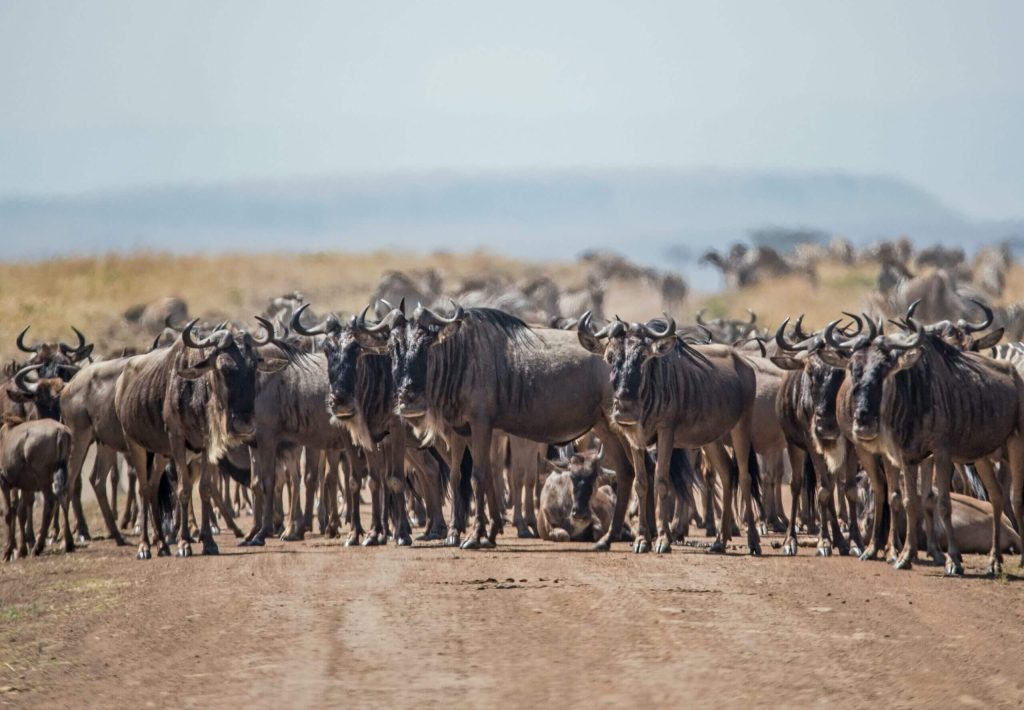
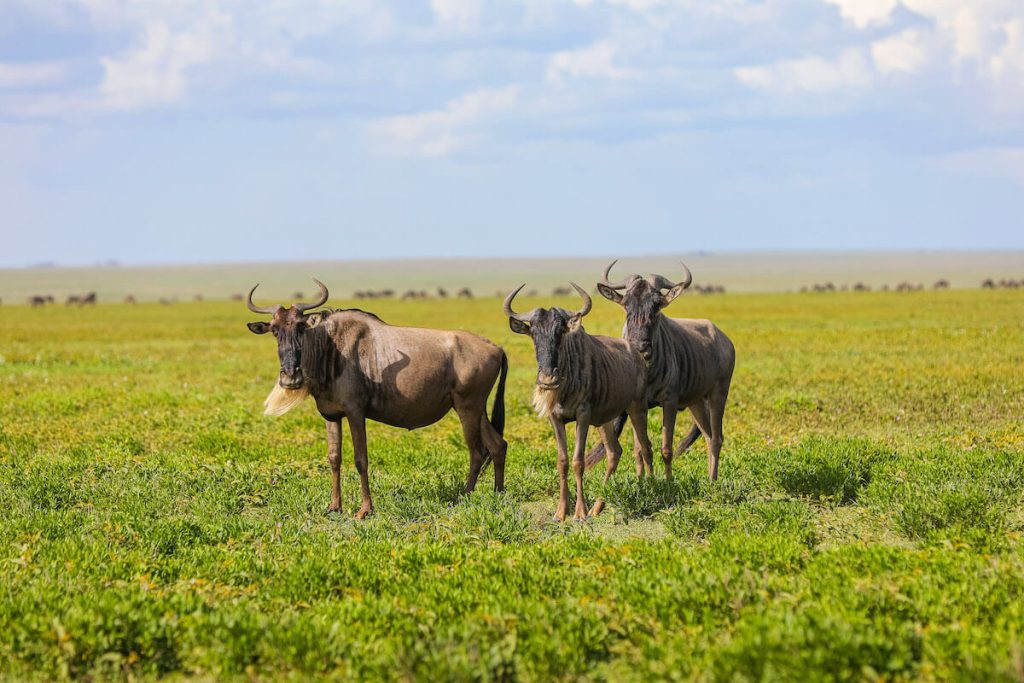
One of the most impressive aspects of Serengeti’s wildlife is the Great Migration, a phenomenon where millions of wildebeests, zebras, and gazelles move across the plains in search of fresh grazing. This mass movement, driven by the seasonal rains, attracts predators such as lions, leopards, cheetahs, and hyenas, creating an intense display of life and survival. The Serengeti’s diverse regions – Central Serengeti, Western Corridor, Northern Serengeti, and Southern Serengeti – all play crucial roles in supporting the rich wildlife populations throughout the year.
THE BEST TIME TO VISIT ARUSHA NATIONAL PARK
The Best Months (June – October)
These months present the dry (high)season which offers some of the best wildlife viewing opportunities in the park. Most animals come in the open near water sources, making it easier to spot in the less dense foliage. With minimal rainfall and cooler temperatures, the park becomes a haven for wildlife photographers. This season also means fewer mosquitoes, yet less-crowded by tourists, adding to the comfort of your safari experience.
Best Months (for birdwatching)
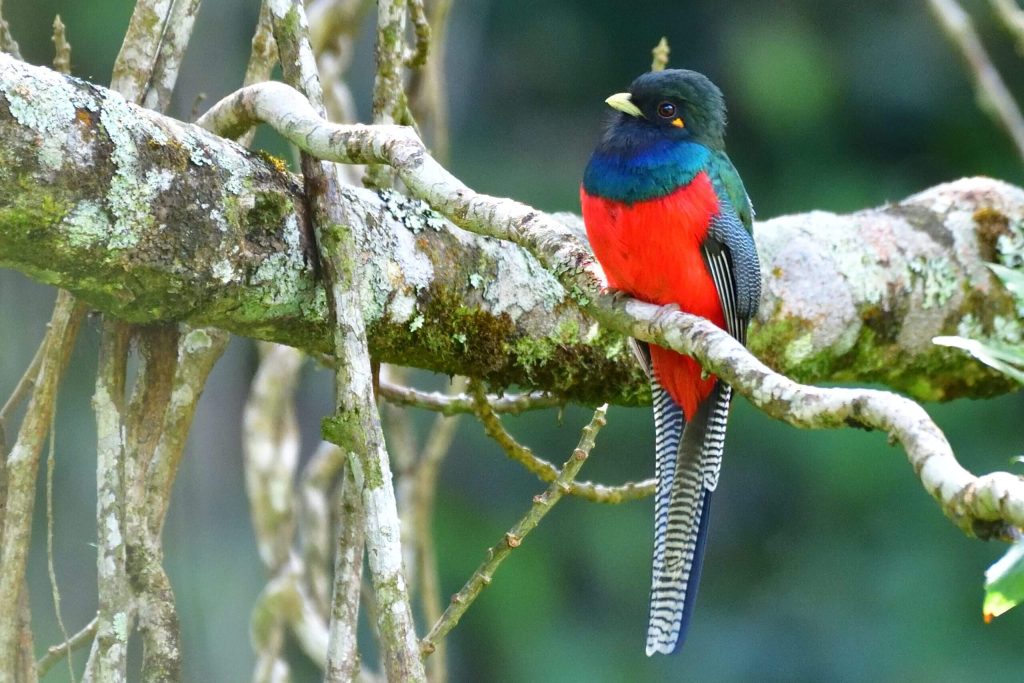
As November and December roll in, the short rains begin, bringing a refreshing transformation to the landscapes. The park bursts into vibrant green, attracting a wealth of migratory birds. Although the wildlife tends to stay hidden deeper within the lush vegetation, birdwatchers will find this time tremendously rewarding.
January , and February , offer a brief respite between the rainy seasons, with semi-dry conditions providing good visibility and some of the clearest skies of the year, ideal for capturing stunning views of both Mount Meru and Kilimanjaro
Rainy Months (Less-crowded)
March , through May , witness long rains, with daytime temperatures slightly warmer. While the park may be quieter during these months, it offers a unique, tranquel , experience . The abundant water and lush foliage encourage a rich birdlife, though the larger mammals might be a bit more elusive, staying in the deeper parts of the forest.
Despite being overlooked by many, the park rarely feels crowded, allowing for a more intimate encounter with nature all year round; it is a perfect destination in the norther safari circuit for a family day outing, given its beautiful sceneries and independent spirit.
populalr activities around ARUSHA NATIONAL PARK
Game Drives
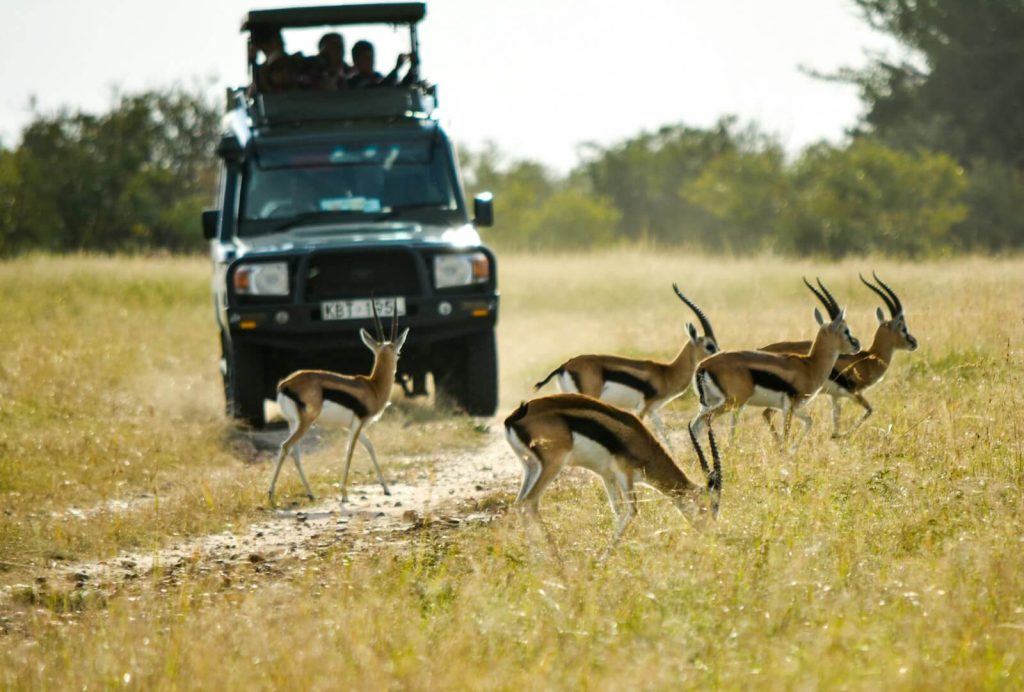
The western road gives you a clear view of Mount Meru on sunny days, while the eastern path is perfect for spotting wildlife like Burchell’s zebras, buffaloes, giraffes, and elephants. You’ll also see the Momella Lakes and the Ngurdoto Crater, which is great for guided bush walks.
During your drive, you’re sure to spot waterbucks, hyenas, bushbucks, klipspringers, dik-diks, mongooses, hippos, baboons and vervet and colobus monkeys, despite dense vegetation in some areas. The peaceful atmosphere makes game drives here enjoyable all year round.
If you are about to trek Kilimanjaro, a guided walking safari in Arusha National Park makes a great pre-trek activity, offering a relaxing way to prepare and explore the park.
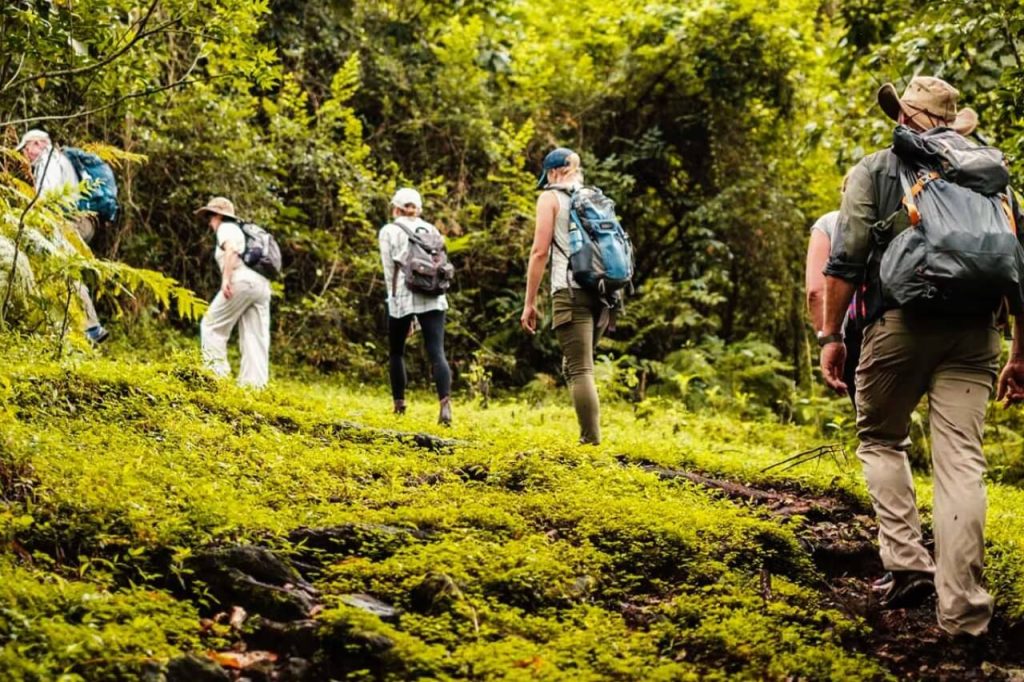
Guided Bushwalk Safari
A guided bushwalk safari in Arusha National Park offers a one-on-one experience with the home to Mount Meru. Accompanied by an armed park ranger, you’ll explore on foot, taking in the sights and sounds that aren’t possible to appreciate from a vehicle.
Your personal guide will highlight the unique flora and fauna along the way, leading you to an impressive waterfall, the edge of the Ngurdoto Crater, and the shores of Lake Momella. Walking through these serene settings, you’ll gain a new perspective on the park’s natural makeup, ending up with an unforgettable and great safari adventure.
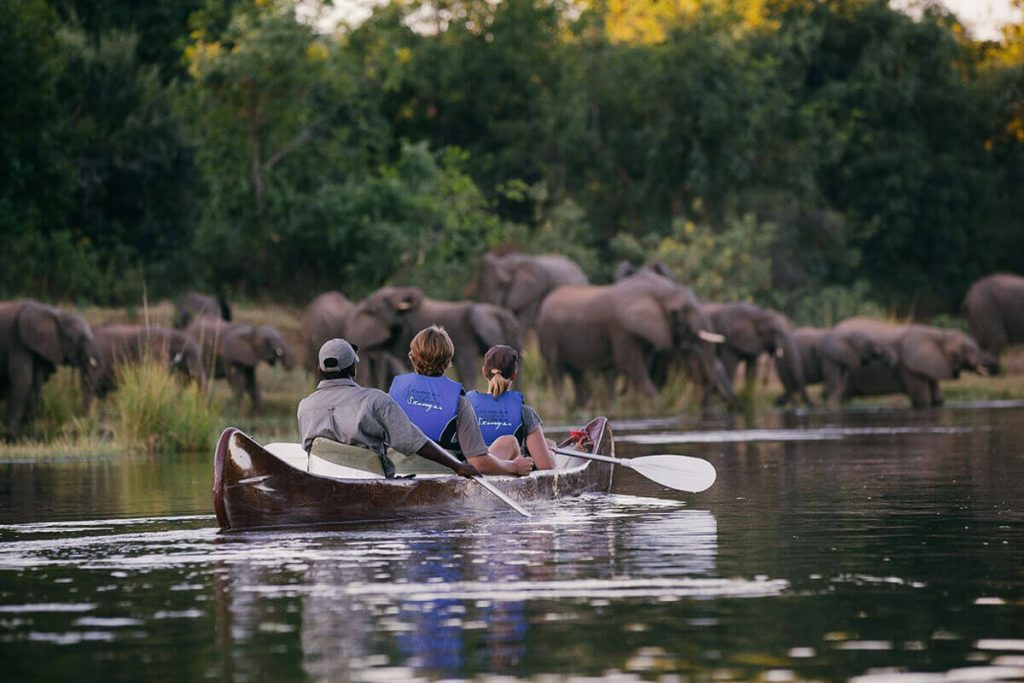
Canoeing
Experience the tranquility of Arusha National Park with a gentle canoe ride down the serene waters of the Momella Lakes. Paddle quietly as you get up close to a variety of waterbirds, and get up close with hippos, giraffes, zebras, buffaloes, elephants, etc. all while under the watchful eye of an armed game ranger to ensure your safety. With the imposing Mount Meru as your backdrop, it’s also a great place to hone your canoeing skills whilst soaking in the peaceful atmosphere.
Locating Arusha National Park
Arusha National Park is 35km (99 miles) East of Arusha, 64.8km (40 miles) west of Moshi, 175km (109 miles) to Tarangire National Park, and 454km (282 miles) to Serengeti National Park entrance gate.
accommodation options
AROUND ARUSHA
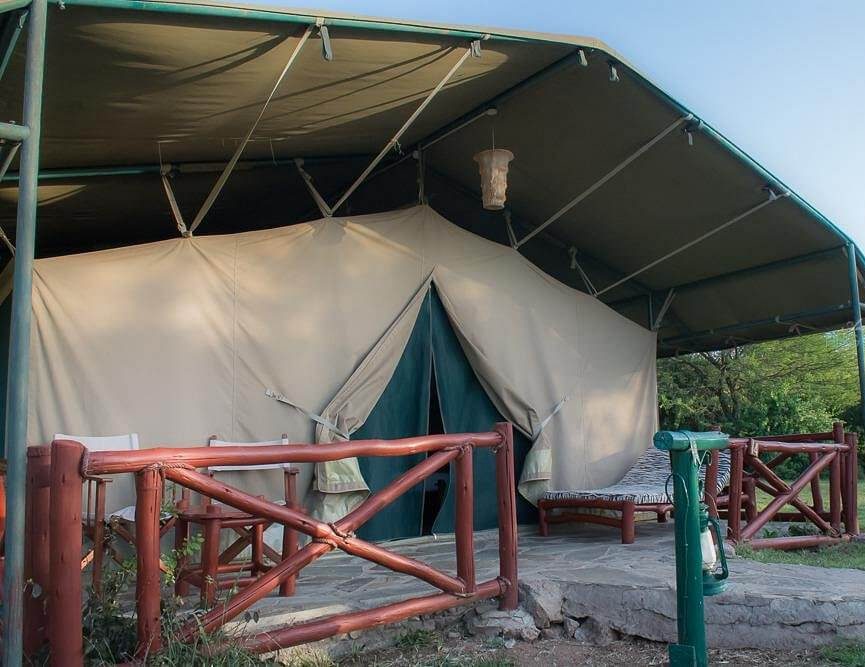
Lodges
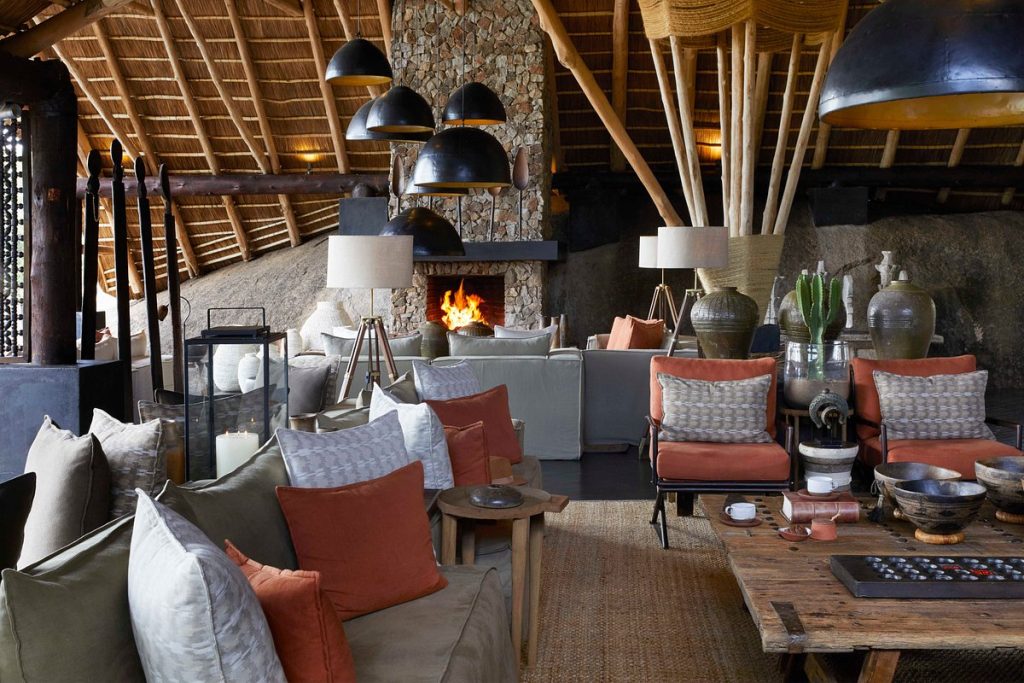
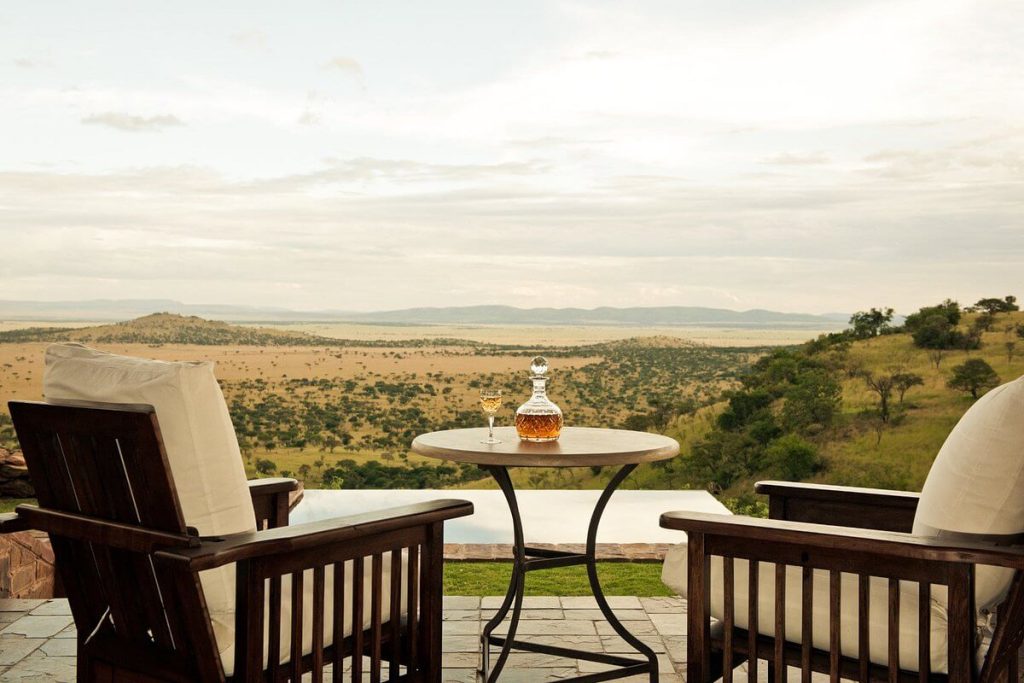
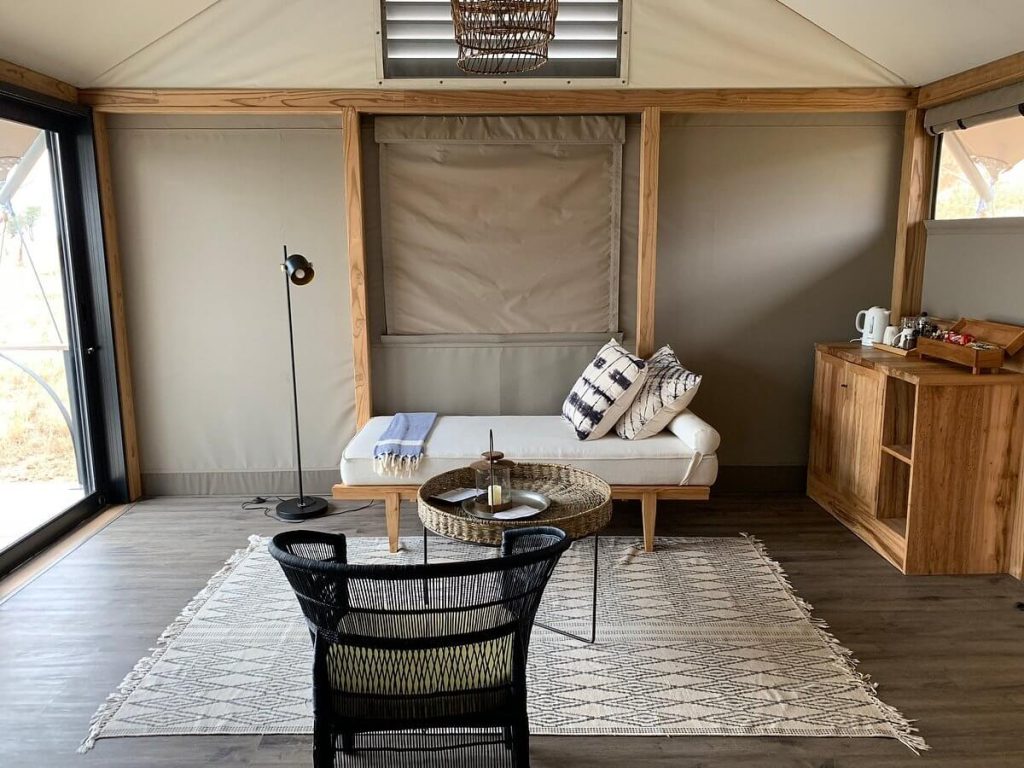
Hotels
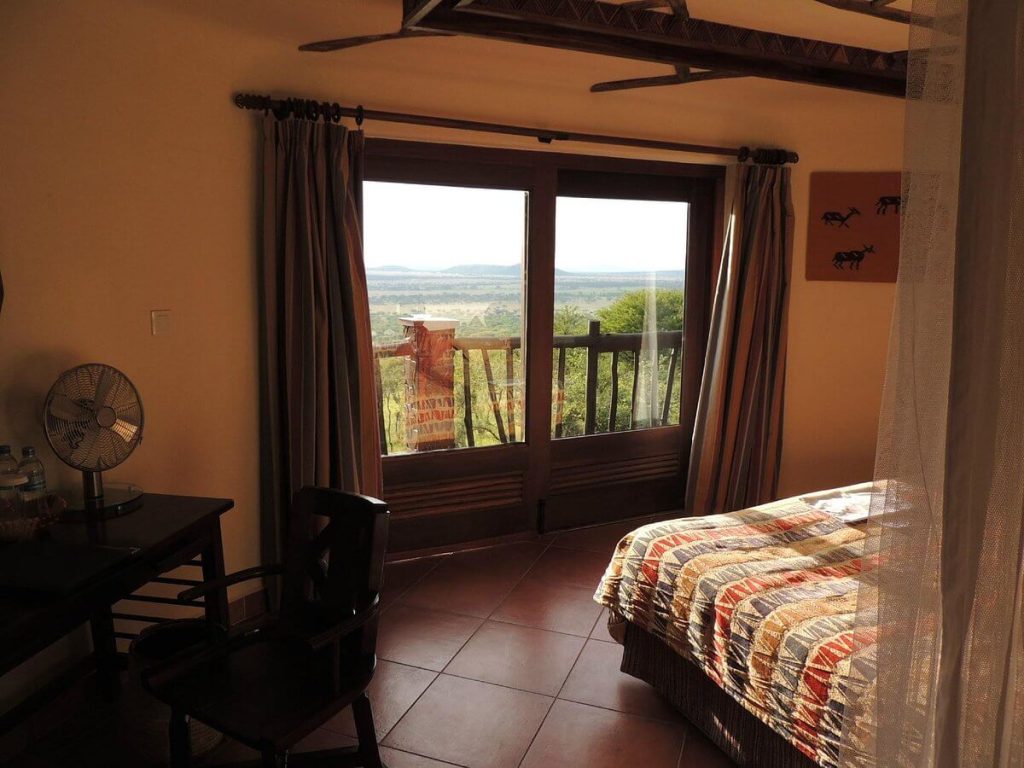
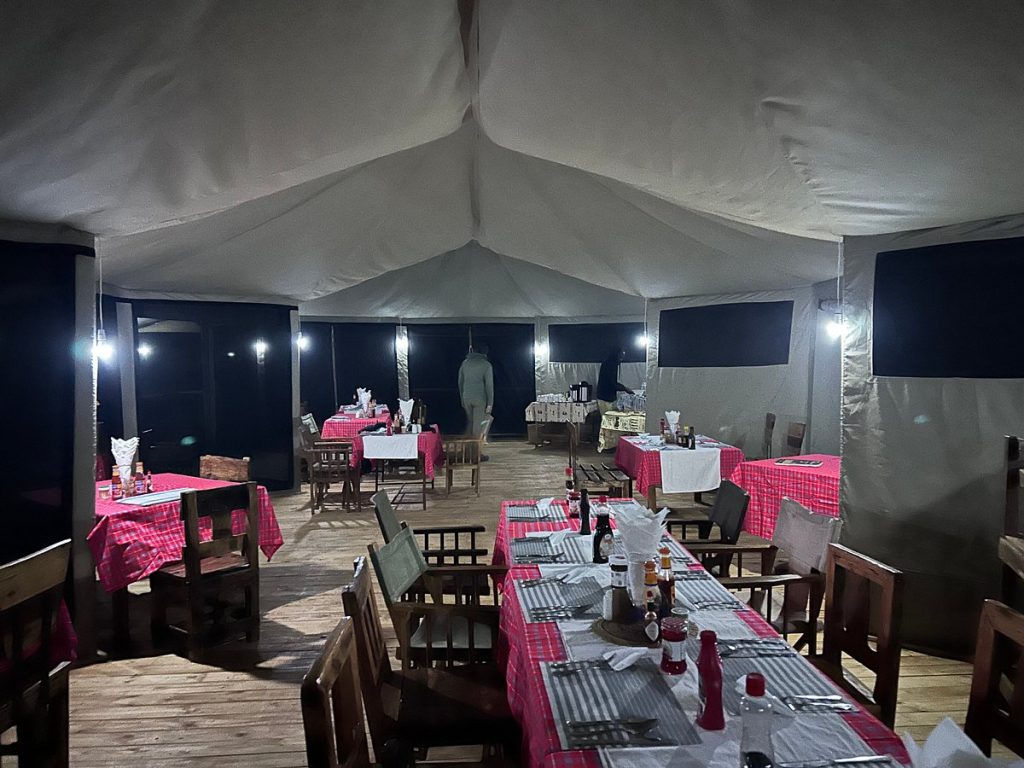
High-End Luxury Hotels
TANZANIA TRAVEL GUIDE
- Tanzania Travel Visa
- Things to Do in Tanzania
- Things to Do in Zanzibar
- What to carry on safari
- Tanzania Travel Insurance
- Tanzania Safari Cost
- When to Visit Tanzania
- Beach Holiday
- General Tanzania Travel Guide
- Before, During & AFer your Tanzanian Safari
- Tanzania Safari Packages
- Tanzania FAQs
POPULAR SAFARI ACTIVITIES
- The Great Wildebeest Migration
- Serengeti Hot-air Balloon Experience
- Luxury Tanzania Safari
- Family on a nature-based Safari
- Tanzania Honeymoon Safari
- Tanzania Solo Safaris
- Short & Unforgetable Tours
- Cultural Safari Experience
- Camping in Tanzania
- Night Game Drives in Tanzania
- Small Group Safaris in Tanzania
- Tanzania Best Combo Packages
THE COMPANY
- Our Story
- Women Drivers at Zoe
- Our Safari Vehicle Fleet
- Meet the Zoe Guides
- Michael, Samuel, & the Dream
- Zoe Philanthropic Programs



- ZOE EXPEDITIONS CO. LTD
- P.O. Box 12168
- ARUSHA, TANZANIA
Make Online Payments Safely & Easily
WE ACCEPT

KILIMANJARO GUIDE
- Kilimanjaro Packing List
- Kilimanjaro Weather
- General Kilimanjaro Trekking Guide
- Kilimanjaro Porters
- Preparing for your Kilimanjaro Trek
- Health Information on Kilimanjaro
- Best Time to Trek Mount Kilimanjaro
- Tipping on Kilimanjaro
- Budget Vs. Luxury Kilimanjaro Climb
- Women on Kilimanjaro
- Kilimanjaro Altitude Sickness
- Kilimanjaro Trekking Guide
- Kilimanjaro Full Moon Climbs
- Kilimanjaro FAQs
KILIMANJARO GUIDE
- Accommodations in Tanzania
- Private Tours
- Tailor-made Safaris
- Travel Tips & Advice
- Volunteering in Tanzania
- Travel Responsibly

© Copyright 2025 – All Rights Reserved – Zoe Expeditions
- Terms and Conditions
- Privacy policy
- Payment Method
- Understand Safari Pricing
