
KILIMANJARO PACKING LIST

What You Really Need

When preparing for Kilimanjaro, packing the right gear can make or break your trek. Each layer and equipment plays a critical role in keeping you safe, comfortable, and ready to tackle the mountain. We’ve put together a practical and expert-backed guide, categorized to help you prepare better.

Head & Face

  • Sun hat with a wide brim to protect against strong UV rays at higher altitudes
  • Warm beanie for cold mornings and nights
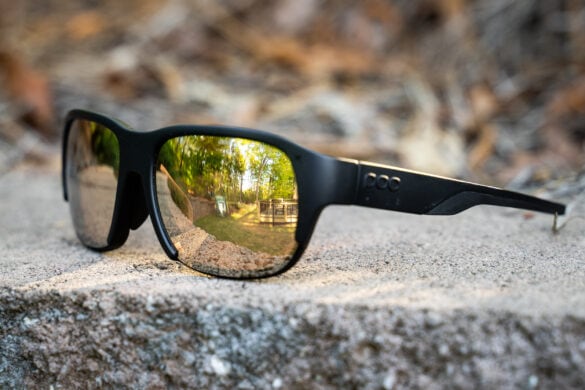
  • Sunglasses with UV protection to shield your eyes from intense sun exposure and reflection off the glaciers
  • Buff or neck gaiter to keep your neck warm or protect your face from dust

Upper Body

  • Moisture-wicking base layer to manage sweat and keep you dry
  • Insulating mid-layer (like fleece or down) to trap heat
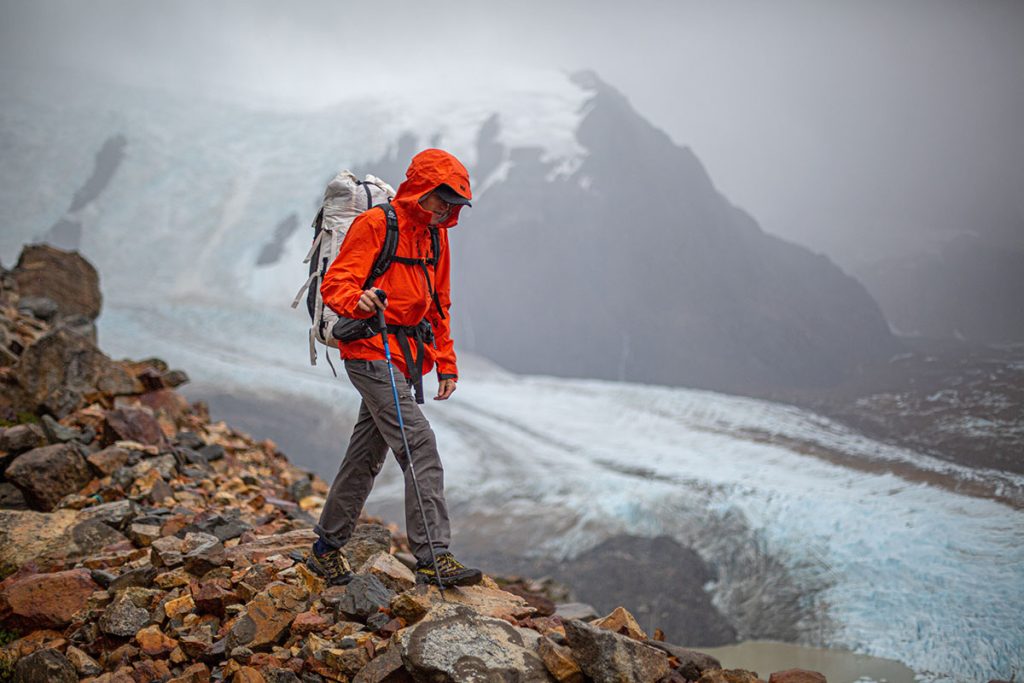
  • Windproof and waterproof outer shell to guard against wind and rain.

Lower Body

  • Thermal base layers for warmth during colder sections of the climb
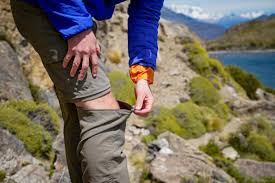
  • Hiking pants (preferably quick-dry) for daytime trekking
  • Waterproof pants for protection against unexpected rain or snow at higher elevations

Legs

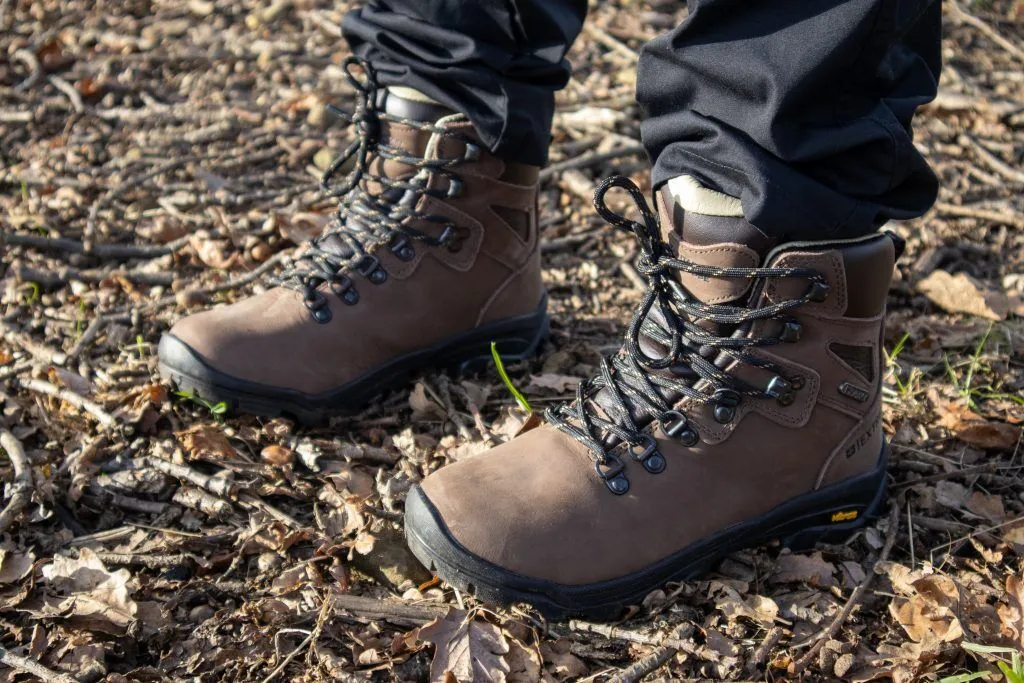
  • Hiking boots (broken-in, waterproof, and durable) to tackle rough and slippery terrain
  • Thermal hiking socks to keep your feet warm at night and prevent blisters
  • Gaiters to keep mud, snow, and small rocks out of your boots.

Hands

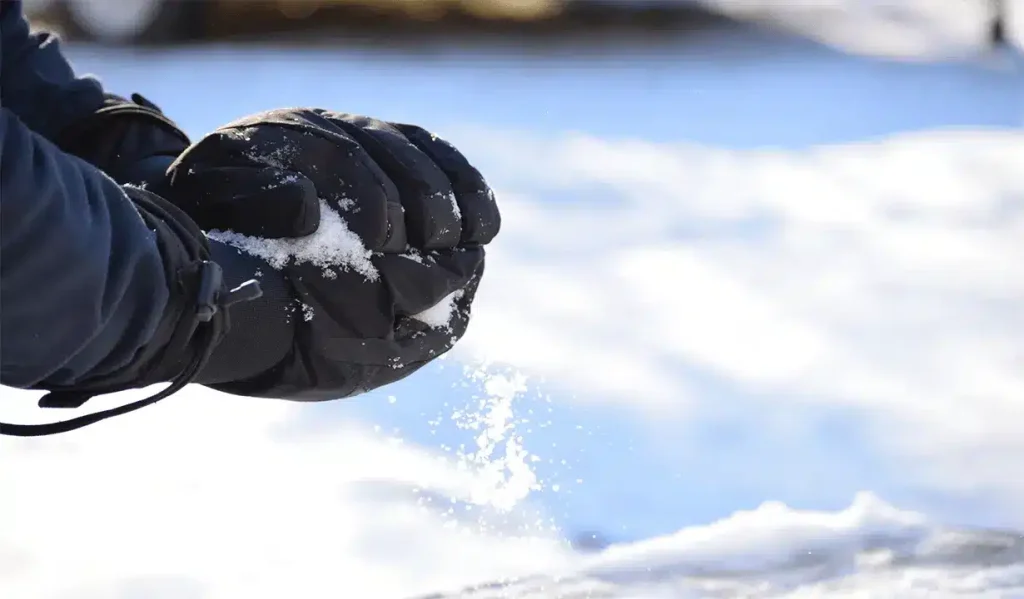
  • Warm gloves or mittens for the cold summit nights
  • Liner gloves for extra insulation and dexterity in lower altitudes.

Other Essentials

  • Headlamp with extra batteries for early starts and summit night
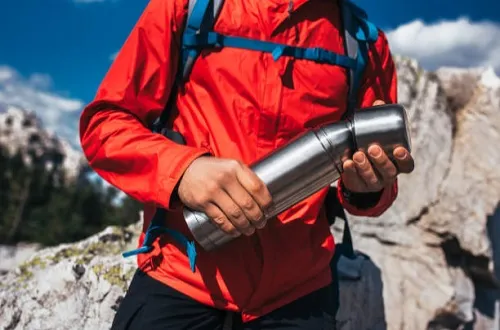
  • Hydration system (water bottles or hydration bladder) to stay hydrated in high altitudes
  • Daypack to carry essentials like snacks, camera, and extra layers during the trek
  • Sleeping bag rated for sub-zero temperatures to stay warm at night.