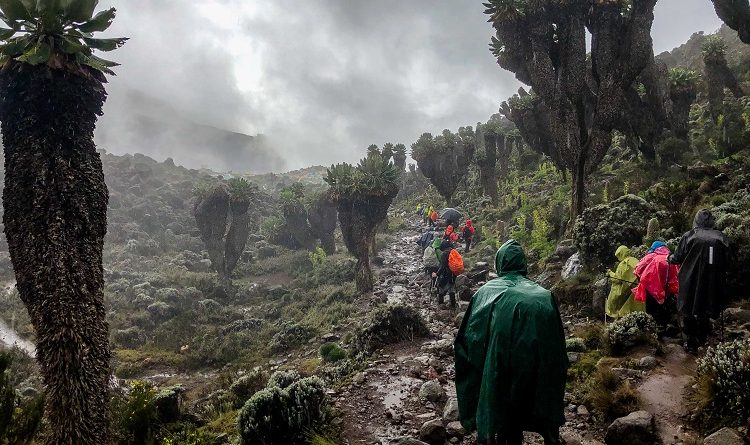
Mount Kilimanjaro ECO ZONES
Climbing Kilimanjaro takes you through a striking variety of ecological zones, changing dramatically as you ascend to higher elevations. They say it’s like hiking from the equator to the arctic, given that each zone has its own distinct character, flora, and sometimes, fauna.
- January - Mid-March
During these months, the weather is mostly dry with daytime temperatures ranging around 20-25°C (68-77°F) at the lower altitudes. As you climb to higher elevations, the temperature gradually drops, reaching around -5°C (23°F) at the summit.
The mornings are sometimes foggy, while the afternoons may bring clear skies, but the overall trekking conditions remain favorable. The trails may sometimes be less crowded, making this an ideal season if you’re looking for a quieter trekking experience.
- June - October
This period marks another great trekking season, as it coincides with the dry months. The temperatures at the base hover around 15-20°C (59-68°F), but drops significantly as you ascend to higher elevations.
The temperatures at the summit can go as low as -10°C (14°F). The skies tend to be clearer, rewarding trekkers with stunning views, especially during sunrise from Uhuru Peak. This time attracts more trekkers, as it overlaps with holidays in many countries, so expect a livelier atmosphere on the trail.
- Rainy Seasons
Typically, Mid-March to May, as well as November, are the rainy seasons. Trekking during these months can be more challenging due to muddy and slippery trails.
The daytime temperatures at lower altitudes are still warm, around 20-25°C (68-77°F), but the summit remains extremely cold, reaching lows of -15°C (5°F). And while it is not the most popular time to climb Kili, those who don’t mind braving the rain can still make the ascent, with fewer crowds and a more intimate experience with the mountain.