The Best Time to Trek Mount Kilimanjaro
Climbing Kilimanjaro takes you through a striking variety of ecological zones, changing dramatically as you ascend to higher elevations. They say it’s like hiking from the equator to the arctic, given that each zone has its own distinct character, flora, and sometimes, fauna.
- Rainforest Zone
At the base of the mountain, the trail leads through dense rainforest. The air is thick with the sounds of birds, and you may even spot wild animals along the way. Rain is common in this zone, and the trail can be slippery, making it an adventurous start to your ascent.
- June - October
This period marks another great trekking season, as it coincides with the dry months. The temperatures at the base hover around 15-20°C (59-68°F), but drops significantly as you ascend to higher elevations.
The temperatures at the summit can go as low as -10°C (14°F). The skies tend to be clearer, rewarding trekkers with stunning views, especially during sunrise from Uhuru Peak. This time attracts more trekkers, as it overlaps with holidays in many countries, so expect a livelier atmosphere on the trail.
- Rainy Seasons
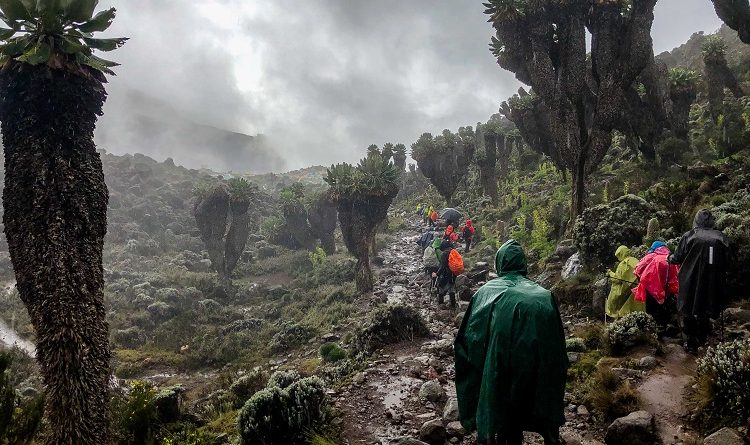
Typically, Mid-March to May, as well as November, are the rainy seasons. Trekking during these months can be more challenging due to muddy and slippery trails.
The daytime temperatures at lower altitudes are still warm, around 20-25°C (68-77°F), but the summit remains extremely cold, reaching lows of -15°C (5°F). And while it is not the most popular time to climb Kili, those who don’t mind braving the rain can still make the ascent, with fewer crowds and a more intimate experience with the mountain.